

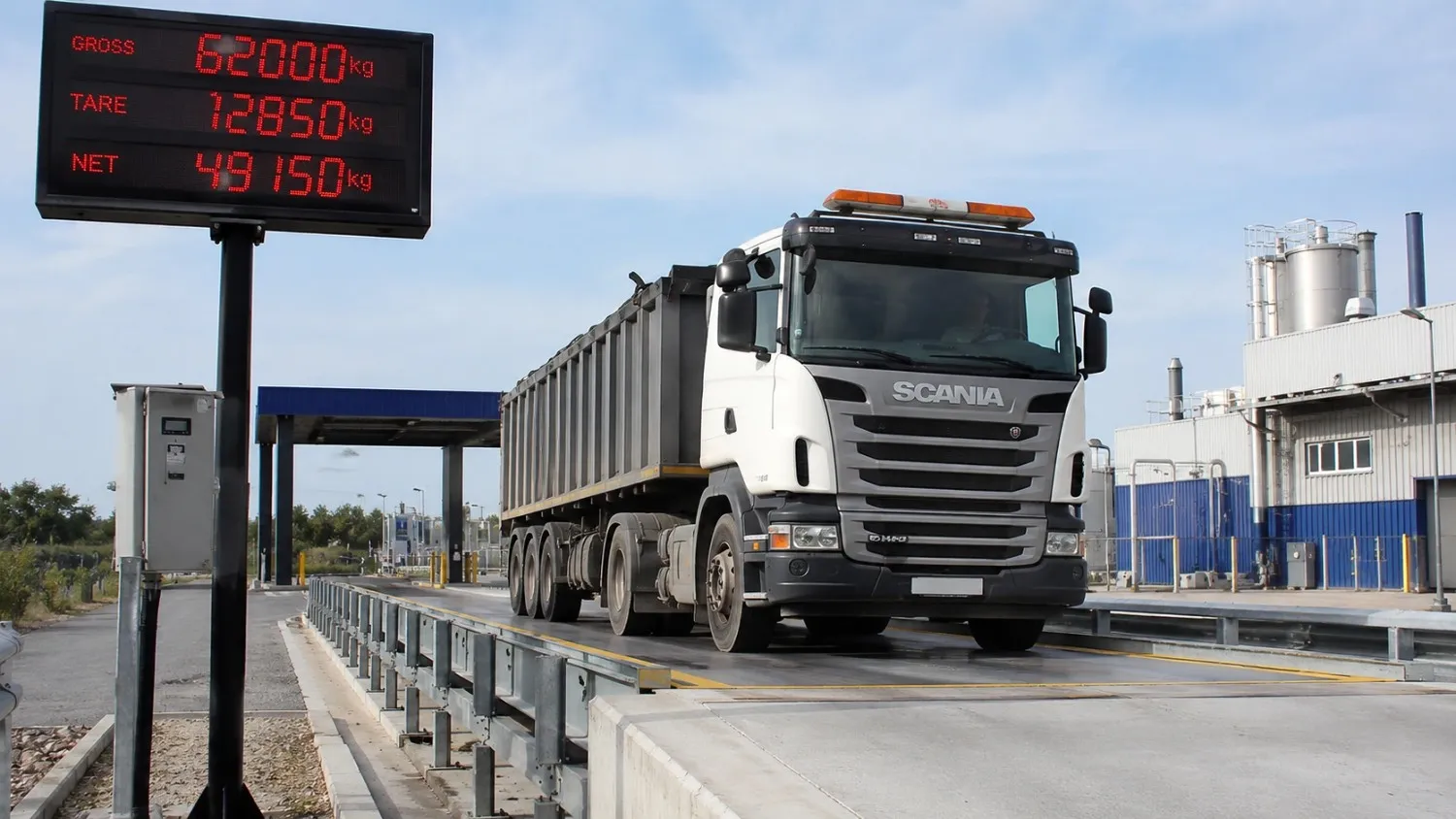
In today’s fast-paced industrial environment, accuracy, efficiency, and automation play a critical role in business success. Industries dealing with transportation, logistics, mining, agriculture, manufacturing, construction, waste management, and warehousing depend heavily on precise weight measurement systems to maintain operational efficiency and profitability.
Traditional weighing methods often result in inaccuracies, delays, manual errors, and increased operational costs. To overcome these challenges, businesses are increasingly adopting digital weighbridges that provide highly accurate, automated, and real-time weight measurement solutions.
A digital weighbridge is an advanced vehicle weighing system equipped with electronic load cells, digital indicators, software integration, and data management capabilities. These systems help industries streamline operations, improve compliance, reduce revenue leakage, and enhance productivity.
This article explores the top benefits of digital weighbridges for industries and explains why they have become an essential investment for modern businesses.
What Is a Digital Weighbridge?
A digital weighbridge is a large platform scale designed to weigh trucks, trailers, tankers, and heavy commercial vehicles. Unlike conventional mechanical weighbridges, digital weighbridges use electronic load cells and digital technology to provide precise and reliable weight measurements.
The system typically includes:
- Weighbridge platform
- Digital load cells
- Weight indicator
- Computer software
- Data management system
- Printer and reporting tools
- Remote monitoring capabilities
These components work together to ensure accurate vehicle weighing and seamless operational management.
Why Accurate Weighing Matters for Industries
Weight measurement directly affects:
- Revenue generation
- Inventory control
- Billing accuracy
- Transportation efficiency
- Regulatory compliance
- Material management
- Supply chain optimization
Even minor weighing errors can result in significant financial losses over time. Digital weighbridges help eliminate such inaccuracies and provide dependable data for critical business decisions.
Top Benefits of Digital Weighbridges for Industries
1. Exceptional Accuracy
One of the biggest advantages of digital weighbridges is their superior accuracy.
Modern digital load cells provide precise weight readings, reducing the chances of measurement errors. Unlike traditional systems that may be affected by mechanical wear and environmental conditions, digital weighbridges maintain consistent performance over long periods.
Benefits include:
- Accurate vehicle weighing
- Reduced product loss
- Correct billing and invoicing
- Better inventory management
- Improved operational efficiency
Industries handling large volumes of materials can significantly benefit from accurate weight measurement.
2. Enhanced Operational Efficiency
Digital weighbridges automate the weighing process, reducing the need for manual intervention.
Automation enables:
- Faster vehicle processing
- Reduced waiting times
- Improved traffic flow
- Higher throughput
- Increased productivity
Vehicles can be weighed quickly, allowing businesses to manage larger volumes without compromising accuracy.
This is particularly beneficial for:
- Logistics companies
- Manufacturing plants
- Ports and terminals
- Mining operations
- Agricultural facilities
3. Real-Time Data Monitoring
Modern digital weighbridges provide real-time weight data that can be monitored instantly.
Operators can:
- View weight information immediately
- Track vehicle movements
- Monitor loading activities
- Generate instant reports
- Access data remotely
Real-time visibility allows management teams to make informed decisions quickly and efficiently.
4. Improved Revenue Protection
Revenue leakage caused by incorrect weight measurement is a common problem across industries.
Digital weighbridges help prevent:
- Under-weighing
- Over-weighing
- Product theft
- Billing discrepancies
- Inventory losses
Accurate weight records ensure that businesses receive proper compensation for transported materials.
For industries dealing with bulk commodities, this benefit can result in substantial cost savings.
5. Better Inventory Management
Inventory accuracy is essential for smooth business operations.
Digital weighbridges help companies:
- Monitor incoming materials
- Track outgoing shipments
- Verify stock levels
- Reduce inventory discrepancies
- Improve forecasting accuracy
Accurate weight data ensures efficient inventory planning and management.
6. Reduced Human Errors
Manual weighing systems often depend on operator input, increasing the risk of mistakes.
Digital weighbridges minimize human intervention through:
- Automated data capture
- Electronic records
- Software integration
- Automatic calculations
This reduces:
- Data entry errors
- Miscalculations
- Duplicate records
- Administrative mistakes
The result is a more reliable and efficient weighing process.
7. Increased Transparency
Transparency is essential in industries involving suppliers, transporters, and customers.
Digital weighbridges provide:
- Accurate transaction records
- Detailed weight reports
- Digital audit trails
- Time-stamped data
These records can be used to resolve disputes and verify transactions, building trust among stakeholders.
8. Faster Vehicle Turnaround Time
Time is money in industrial operations.
Digital weighbridges reduce vehicle waiting times by providing quick and accurate weight measurements.
Benefits include:
- Faster loading and unloading
- Reduced congestion
- Improved fleet utilization
- Higher operational efficiency
This is particularly important in logistics hubs, ports, and manufacturing facilities where large numbers of vehicles are processed daily.
9. Seamless Software Integration
Modern digital weighbridges can integrate with various business management systems.
These include:
- ERP systems
- Inventory management software
- Warehouse management systems
- Accounting software
- Transport management systems
Integration helps create a centralized platform for data management and reporting.
10. Advanced Reporting Capabilities
Digital weighbridge software can generate comprehensive reports automatically.
Reports may include:
- Vehicle weight records
- Material movement reports
- Daily transaction summaries
- Inventory reports
- Compliance documentation
Automated reporting saves time and improves business intelligence.
11. Compliance with Industry Regulations
Many industries must comply with government regulations regarding weight measurement and transportation.
Digital weighbridges support compliance by providing:
- Certified measurements
- Accurate records
- Traceable transactions
- Audit-ready reports
Compliance reduces legal risks and helps businesses avoid penalties.
12. Improved Security and Fraud Prevention
Fraud and unauthorized activities can result in substantial losses.
Digital weighbridges help improve security through:
- User authentication
- Vehicle identification
- CCTV integration
- RFID technology
- Automatic record keeping
These features reduce opportunities for manipulation and fraud.
13. Long-Term Durability
Digital weighbridges are designed for heavy industrial use.
They offer:
- Robust construction
- Corrosion resistance
- Weather protection
- Heavy load capacity
- Long operational lifespan
A well-maintained digital weighbridge can serve businesses efficiently for many years.
14. Reduced Maintenance Requirements
Traditional mechanical weighbridges often require frequent maintenance.
Digital weighbridges generally require:
- Less calibration
- Fewer moving parts
- Lower maintenance costs
- Reduced downtime
This improves operational continuity and lowers ownership costs.
15. Better Load Optimization
Proper load distribution is essential for transportation efficiency.
Digital weighbridges help businesses:
- Avoid overloaded vehicles
- Optimize cargo capacity
- Improve fuel efficiency
- Enhance vehicle safety
Load optimization reduces transportation costs and improves fleet performance.
16. Environmental Benefits
Digital weighbridges contribute to sustainability initiatives by helping businesses:
- Reduce fuel consumption
- Minimize unnecessary trips
- Optimize logistics routes
- Lower carbon emissions
Efficient transportation operations support environmental responsibility goals.
17. Scalability for Growing Businesses
As industries expand, their weighing requirements become more complex.
Digital weighbridges can be upgraded with:
- Additional software modules
- Remote access capabilities
- Automated identification systems
- Cloud-based reporting
This scalability makes them suitable for businesses of all sizes.
18. Enhanced Customer Satisfaction
Accurate and transparent weight measurements improve customer confidence.
Benefits include:
- Fair billing
- Faster service
- Reduced disputes
- Improved reliability
Satisfied customers are more likely to maintain long-term business relationships.
19. Remote Access and Cloud Connectivity
Modern digital weighbridge systems support cloud-based technologies.
Management teams can:
- Access data remotely
- Monitor operations from multiple locations
- Review reports online
- Analyze performance metrics
Remote access improves operational visibility and decision-making.
20. Strong Return on Investment (ROI)
Although digital weighbridges require an initial investment, they deliver significant long-term returns.
ROI benefits include:
- Reduced operational costs
- Improved efficiency
- Enhanced accuracy
- Revenue protection
- Lower maintenance expenses
Businesses often recover their investment through increased productivity and reduced losses.
Industries That Benefit from Digital Weighbridges
Logistics and Transportation
Digital weighbridges help logistics companies manage fleet operations efficiently by ensuring accurate cargo measurements and regulatory compliance.
Manufacturing
Manufacturers use weighbridges to monitor raw materials, finished goods, and inventory movement.
Mining
Mining operations rely on weighbridges to measure extracted materials accurately and optimize transportation logistics.
Agriculture
Farmers and agricultural businesses use digital weighbridges to weigh crops, livestock feed, fertilizers, and harvested produce.
Construction
Construction companies depend on weighbridges to measure aggregates, cement, sand, and other materials.
Waste Management
Waste management facilities use weighbridges to track incoming and outgoing waste volumes accurately.
Ports and Shipping
Ports utilize digital weighbridges to manage cargo movement, improve efficiency, and maintain compliance.
Key Features to Look for in a Digital Weighbridge
When selecting a digital weighbridge, businesses should consider:
High-Precision Load Cells
Ensure maximum weighing accuracy and long-term reliability.
Durable Platform Design
Choose a structure capable of handling heavy industrial traffic.
Advanced Software
Look for comprehensive reporting and integration capabilities.
Remote Monitoring
Enable access to data from multiple locations.
Security Features
Support RFID, CCTV, and user authentication.
Regulatory Certification
Ensure compliance with local and international standards.
Future Trends in Digital Weighbridge Technology
The future of weighbridge technology is driven by digital transformation and automation.
Emerging trends include:
- Artificial Intelligence (AI)
- Internet of Things (IoT)
- Cloud-based monitoring
- Predictive maintenance
- Automated vehicle identification
- Smart analytics dashboards
- Mobile application integration
These innovations will further improve accuracy, efficiency, and operational control.
Choosing the Right Weighbridge Partner
Selecting the right weighbridge provider is as important as choosing the equipment itself.
Businesses should evaluate:
- Industry experience
- Product quality
- Service support
- Installation expertise
- Calibration services
- Software capabilities
- Customer reviews
Partnering with a trusted provider ensures long-term performance and maximum value from the investment.
Organizations seeking Reliable Weighbridge Solutions should prioritize suppliers that offer advanced digital technology, strong after-sales support, certified accuracy standards, and scalable systems designed to meet evolving industrial requirements.
Conclusion
Digital weighbridges have transformed industrial weighing by providing exceptional accuracy, automation, security, and operational efficiency. From logistics and manufacturing to mining, agriculture, and construction, businesses across industries are leveraging digital weighing technology to improve productivity and profitability.
The ability to generate real-time data, integrate with business systems, reduce manual errors, and ensure regulatory compliance makes digital weighbridges an indispensable asset for modern industrial operations.
As technology continues to evolve, digital weighbridges will become even more intelligent, connected, and efficient. Businesses that invest in advanced weighing systems today can gain a competitive advantage through improved accuracy, streamlined operations, enhanced transparency, and sustainable growth.
For organizations aiming to optimize their material handling and transportation processes, investing in a high-quality digital weighbridge is a strategic decision that delivers long-term operational and financial benefits.