

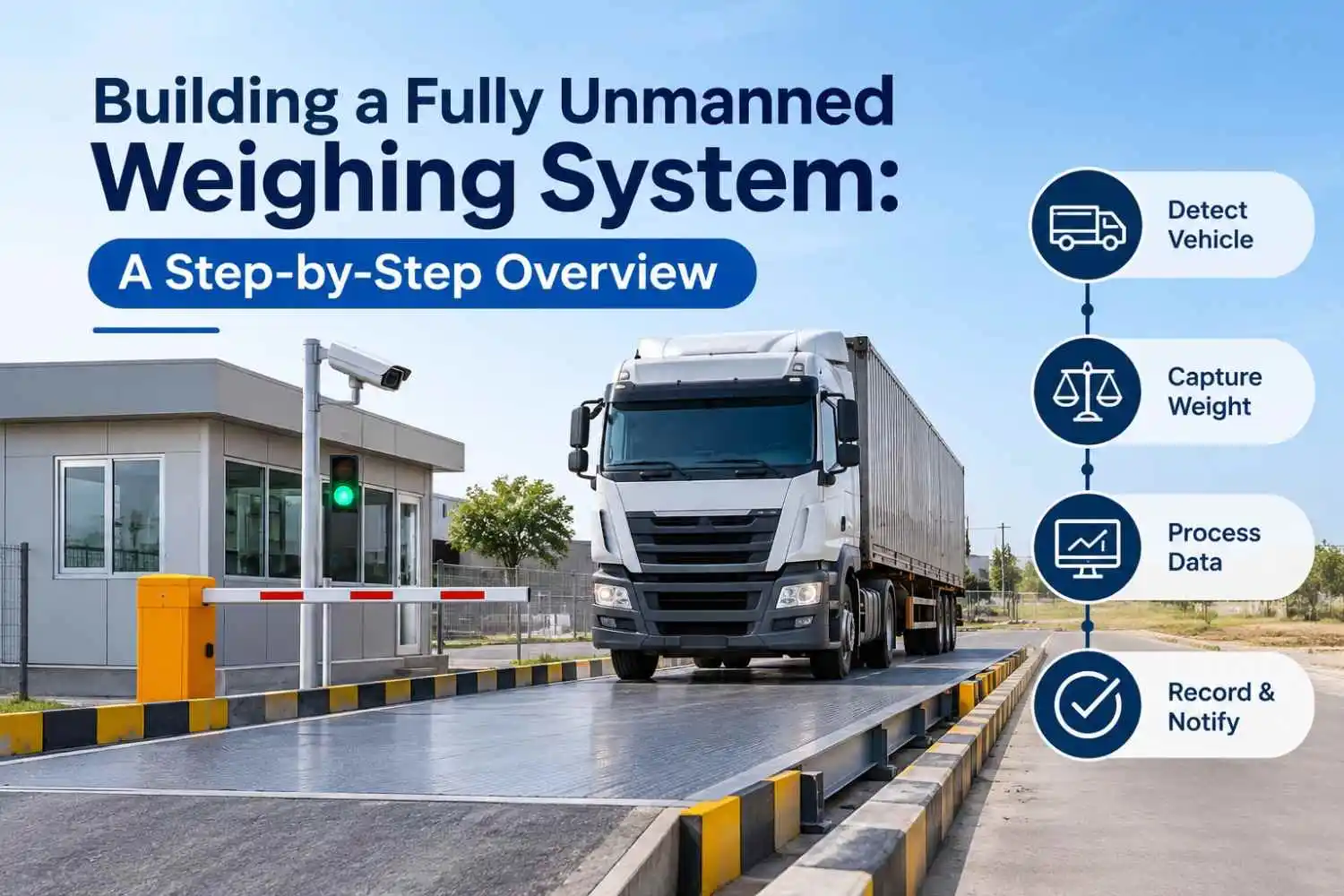
Moving from a staffed to a fully unmanned system is a complex process that results in a relatively simple system where a truck pulls up to a platform, is weighed and proceeds on its way without meeting a human operator. Those that approach the project as merely an equipment swap, not a systems integration project encounter avoidable challenges during implementation. The underlying components and the likely order of their introduction provides insight into the process and establishes expectations for project implementation.
Step One: Mapping Your Current Workflow in Detail
Before any equipment gets specified, it’s worth mapping out exactly how the current staffed weighing process works, including all the judgment calls and exceptions a human operator currently handles without much conscious thought. What happens when a driver arrives without proper documentation? How does the operator handle a vehicle that doesn’t match expected tare weight? What informal checks happen that aren’t written down anywhere but that staff perform automatically based on experience?
This mapping exercise often reveals more complexity than facilities initially expect, and it’s essential groundwork for specifying a system that can actually replicate or deliberately choose not to replicate, with a clear alternative process to everything the current staffed process handles. Skipping this important step in favor of jumping right into the equipment selection process is one of the most common reasons automation projects are plagued by scope creep issues down the line.
Step Two: Vehicle Identification Strategy
Automated weighing depends on reliably identifying vehicles without human verification, which means selecting an identification approach suited to your actual traffic pattern. Number plate recognition works well for facilities with primarily repeat traffic from a known vehicle pool, while RFID tags or driver access cards offer more reliable identification for facilities with higher traffic variability or where plate recognition accuracy might be compromised by dust, poor lighting, or plate condition. Many robust implementations combine multiple identification methods as redundant verification, reducing the risk of misidentified vehicles causing transaction errors.
Step Three: Weighing Infrastructure and Weight Capture
At the core of any Unmanned Weighing System sits the physical weighing platform and its associated load cells and electronics, which need to meet the same accuracy and durability standards as any staffed weighbridge installation automation doesn’t reduce the importance of underlying measurement quality, and if anything increases it, since there’s no human operator present to notice and flag an obviously implausible reading before it becomes part of the permanent transaction record.
Step Four: Traffic Control and Physical Safety Systems
Barriers, traffic lights, and clear physical signage guide drivers through the automated process without requiring verbal instruction from an operator. These systems need to be genuinely intuitive, since drivers unfamiliar with a specific facility’s process shouldn’t need extensive prior explanation to understand what’s expected of them at each stage of the transaction. Poorly designed traffic control is a common source of stalled transactions and driver frustration during the early phase of an automated system’s operation, so this deserves careful attention rather than being treated as an afterthought to the core weighing technology.
Step Five: Software Integration and Exception Handling
The software layer coordinating identification, weight capture, and transaction processing is arguably the most critical piece of a successful automated system, since it determines how smoothly the entire process runs and how well the system handles situations that don’t fit the standard pattern. Well-designed exception handling flags anomalies unrecognized vehicles, implausible weight readings, expired documentation for remote review by a central operations team, rather than either blocking traffic entirely or letting a questionable transaction through unchecked.
This is also where integration with broader business systems happens, ensuring weight data flows automatically into invoicing, inventory, or ERP platforms rather than existing in isolation within the weighing system itself.
Step Six: Remote Monitoring Infrastructure
Since there’s no on-site operator, a genuinely reliable unmanned system depends on remote monitoring capability that allows a central team to observe transactions, respond to flagged exceptions, and intervene quickly if equipment issues arise. This monitoring infrastructure needs to be resourced appropriately. A monitoring team stretched too thin across too many sites undermines much of the reliability benefit that automation is meant to provide in the first place.
Step Seven: Phased Rollout and Driver Communication
Rather than switching an entire operation over in a single transition, phased rollout starting with a pilot site or a single weighing point allows a facility to identify and resolve site-specific issues before committing to a full deployment. Clear communication with regular drivers and transport partners ahead of the transition, including simple guidance on what to expect, significantly smooths the adjustment period and reduces the confusion-driven delays that sometimes accompany an unfamiliar new process.
Choosing an Implementation Partner
Given the number of components that need to work together seamlessly, working with an experienced Weighbridge Supplier In Saudi Arabia who has genuinely delivered complete unmanned systems before, not just individual components, makes a substantial difference in how smoothly implementation unfolds. Ask potential suppliers for specific examples of comparable unmanned installations they’ve delivered, and speak directly with those reference customers about how the actual rollout and ongoing operation compared to what was initially promised.
Testing Thoroughly Before Full Cutover
Before relying fully on an unmanned system for live commercial transactions, thorough parallel testing running the automated process alongside the existing staffed process for a defined period helps surface discrepancies or edge cases that weren’t anticipated during planning. This overlap period sacrifices some efficiency in the short term, but it provides much needed confidence that the automated process is in fact reliable before the safety net of staff is entirely removed, which is generally a much better outcome than realizing a severe gap only after full cutover has taken place.
Planning for Ongoing Support After Go-Live
Implementation does not end when the system becomes operational. The requirement for continued support, such as routine maintenance, calibration checks, software updates, and rapid replacement when hardware fails, should be planned for from the beginning rather than dealt with ad hoc after the system is up and running. Facilities that set service level expectations with their implementation partner before the go-live date and define response expectations for critical problems have far fewer long-term issues than those that leave the terms vague until something goes wrong.
Realistic Timeline Expectations
A genuinely well-executed unmanned weighing system implementation typically takes considerably longer than facilities initially anticipate, once civil works, equipment installation, software integration, testing, and a phased rollout period are all accounted for realistically. Facilities that budget adequate time for thorough testing before going fully live rather than rushing to cut over as quickly as possible tend to experience a smoother transition with fewer disruptive issues surfacing after the system is already handling live transactions.
Conclusion
Building a fully unmanned weighing system is a genuine systems integration project, not a simple equipment purchase, and treating it accordingly from the outset with careful workflow mapping, thoughtful component selection, and a realistic, phased implementation timeline is what separates a smooth, successful automation project from one that generates ongoing operational friction long after the initial installation is complete.