
Unmanned Truck Scales
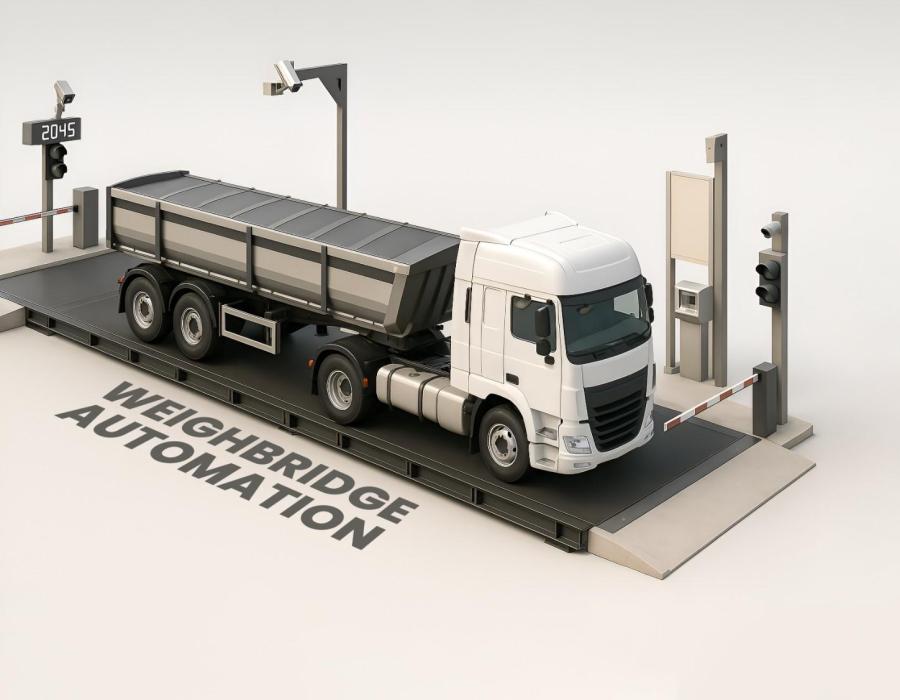
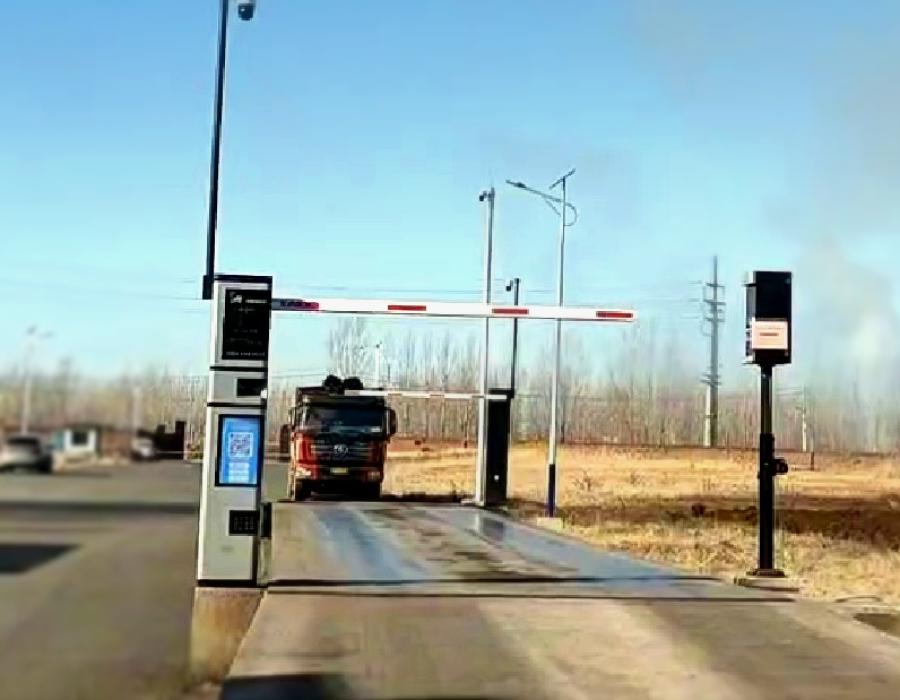
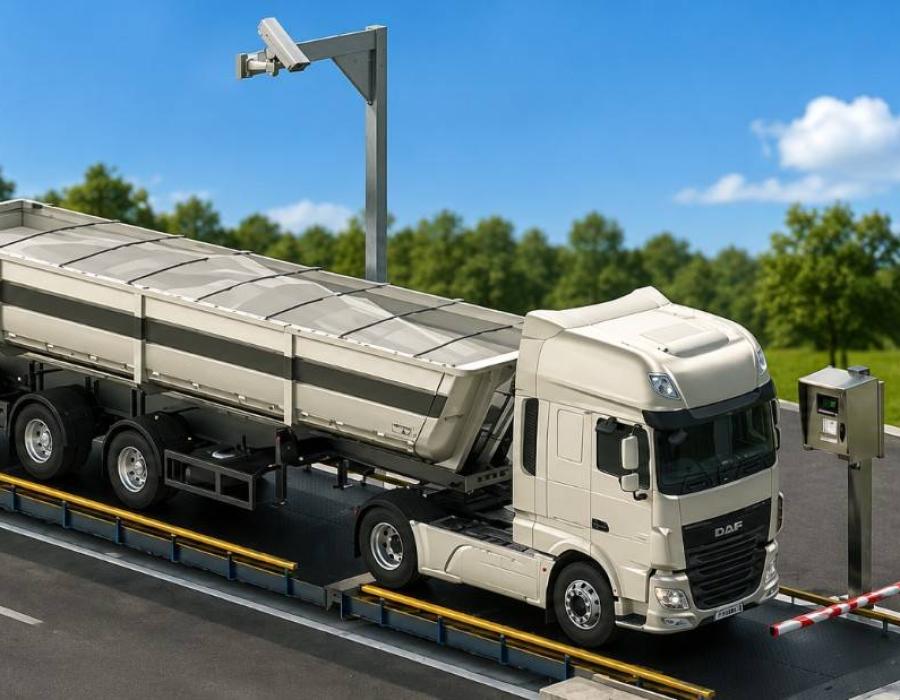
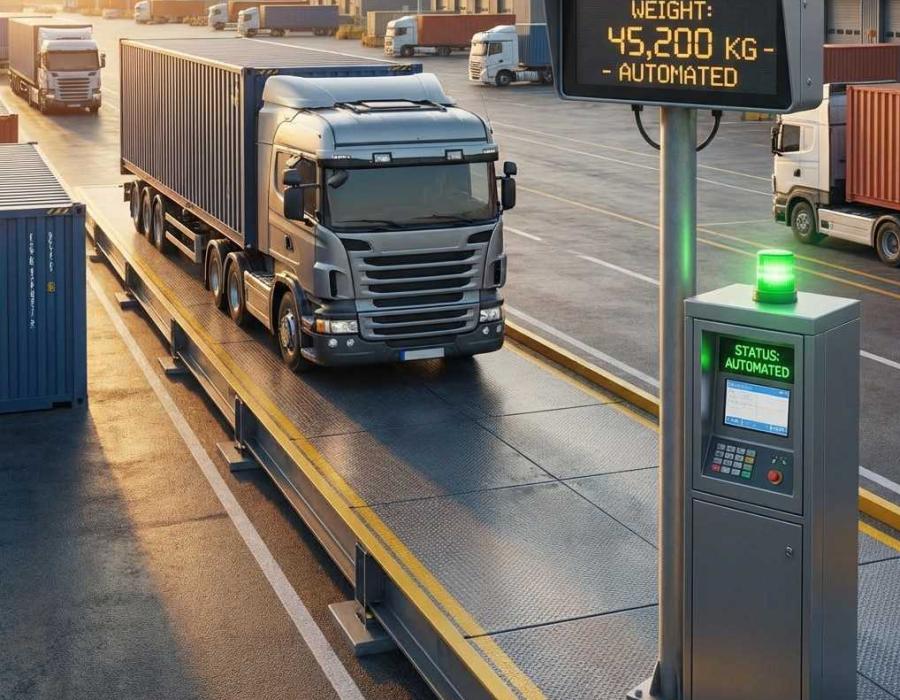
Unmanned Truck Scale for Automated Vehicle Weighing
An Unmanned Truck Scale is an automated vehicle weighing solution that allows trucks to be identified, weighed and processed with minimal operator involvement. It combines weighing equipment with technologies such as RFID, ANPR/LPR, self-service kiosks, traffic control and weighing software to create a more efficient vehicle-processing workflow.
It is particularly suitable for industrial facilities handling frequent truck movements, extended operating hours or repetitive weighing transactions. The system can be configured according to vehicle type, weighing capacity, traffic volume, site layout and automation requirements.
What Is an Unmanned Truck Scale?
An unmanned truck scale combines a heavy-duty weighing platform with automated technologies that reduce the need for manual intervention during vehicle weighing.
A typical system can identify the vehicle, control access to the weighing lane, capture its weight, allow the driver to complete required steps and record the transaction digitally.
Main System Components
| Component | Function |
|---|---|
| Weighing Platform | Measures the weight of trucks, trailers and other heavy vehicles. |
| RFID | Identifies registered vehicles automatically. |
| ANPR/LPR | Captures vehicle registration information. |
| Self-Service Kiosk | Allows drivers to complete weighing procedures. |
| Traffic Lights | Controls vehicle movement through the weighing lane. |
| Boom Barriers | Regulates vehicle entry and exit. |
| Ticket Printer | Provides physical weighing or transaction records. |
| Weighing Software | Records and manages weighing transactions. |
| ERP/MIS Integration | Connects weighing data with business systems. |
| Remote Monitoring | Provides visibility into system activity. |
The components can be selected according to the site's actual workflow rather than requiring every facility to use the same configuration.
How Does an Unmanned Truck Scale Work?
The weighing process follows a controlled sequence from vehicle identification to transaction completion.
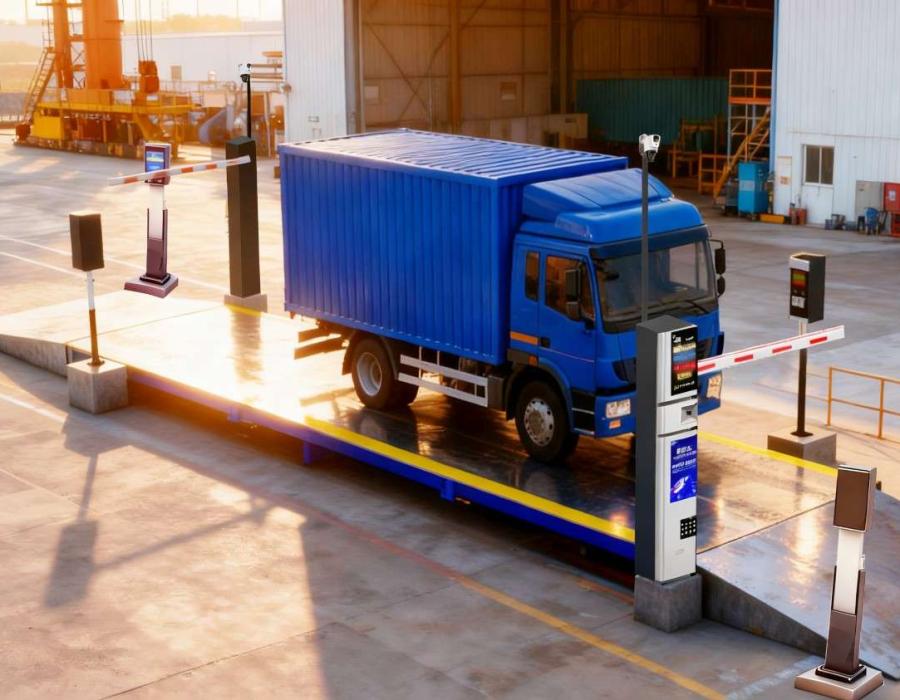
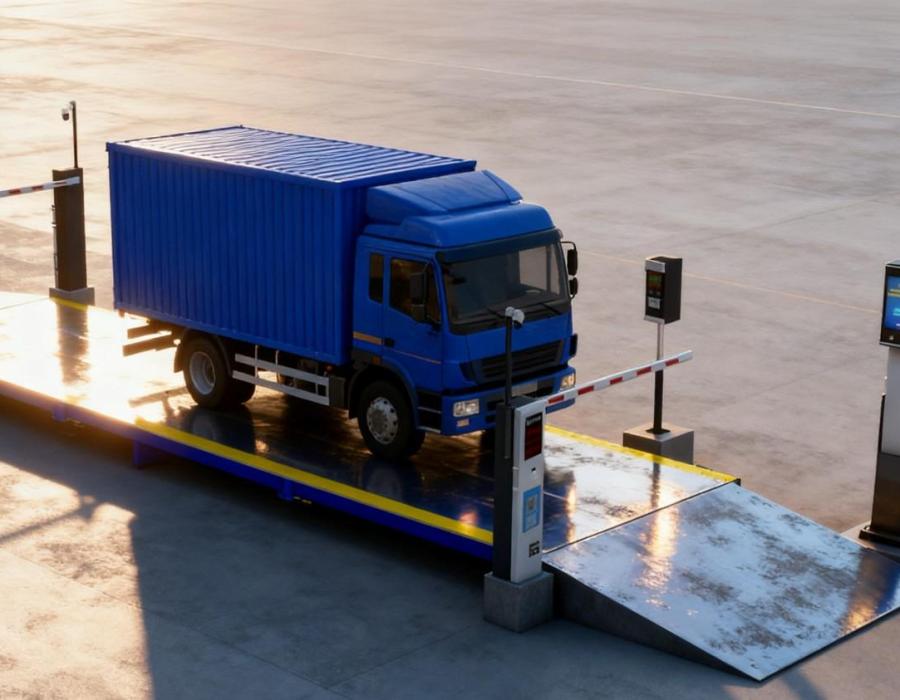
A truck approaching the weighing lane can be identified through RFID or ANPR/LPR. Traffic lights and barriers can control access, while the weighing platform captures the vehicle's weight. Depending on the setup, the driver can then use a self-service kiosk to complete the required transaction.
The weighing information can be recorded in the software, printed as a ticket or transferred to connected business systems.
This reduces repetitive manual activities and creates a consistent process for regular truck movements.
Key Features
Automated Vehicle Identification
RFID can recognize registered vehicles automatically, while ANPR/LPR can capture number-plate information. This reduces repeated manual identification and helps associate vehicle details with each weighing transaction.
Driver Self-Service
A self-service kiosk allows drivers to complete defined weighing activities without requiring an operator at every stage. This can be useful for facilities with high truck volumes or extended operating hours.
Traffic and Access Control
Traffic lights and boom barriers can control vehicle movement through the weighing lane, helping maintain an organized sequence and preventing unnecessary congestion.
Automated Ticketing
Once weighing is completed, the system can generate a physical ticket or maintain a digital transaction record containing relevant vehicle and weight information.
Remote Monitoring
Remote monitoring can provide visibility into weighing activity and system status, supporting supervision of automated weighing operations.
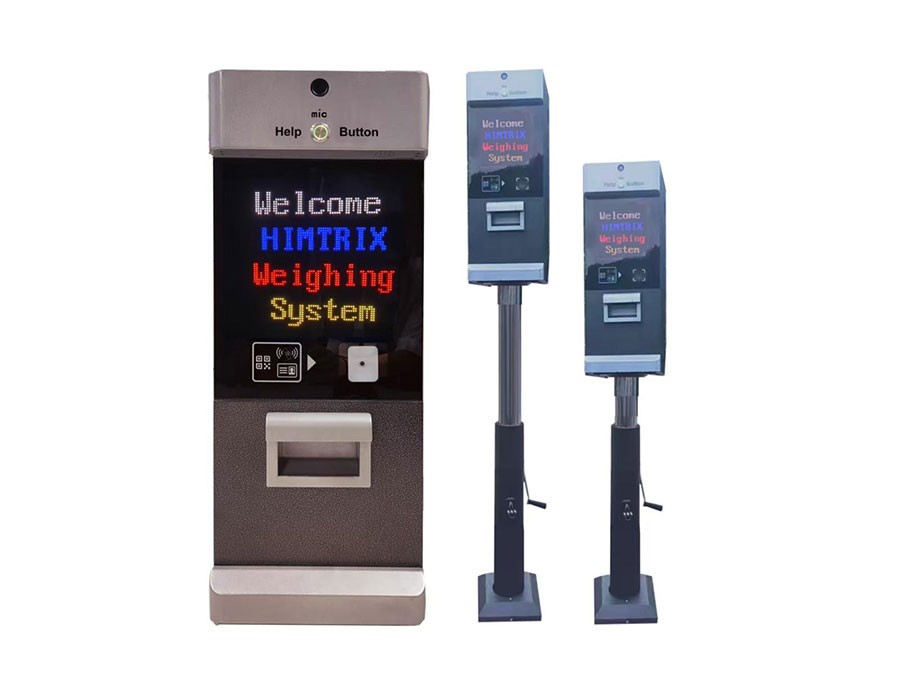
Smart Kiosk for Driver Self-Service
A self-service kiosk provides drivers with a direct interface for completing routine weighing activities.
Depending on the configuration, the kiosk can support:
- Vehicle identification
- Driver instructions
- QR or ID verification
- Weighing confirmation
- Transaction processing
- Ticket printing
Himatrix Arabia's available kiosk configurations include TST, TMT and TDT, which can be selected according to the application and operating environment.
A self-service truck scale setup can be particularly useful where regular vehicles need to complete weighing transactions with limited operator assistance.
Weighing Software and Integration
An Unmanned Weighing System can record more than the vehicle's weight. Depending on the configuration, transaction data can include:
- Vehicle identification
- Gross, tare and net weight
- Date and time
- Material information
- Customer or supplier details
- Ticket information
- Transaction history
- Operational reports
The system can also connect with ERP, MIS or other business applications where required. This allows weighing information to be used within inventory, dispatch, receiving and reporting workflows.
When Is an Unmanned Truck Scale a Good Fit?
An automated setup may be suitable when a facility experiences:
| Operational Requirement | How Automation Helps |
|---|---|
| High truck volumes | Supports consistent vehicle processing. |
| Extended operating hours | Reduces dependence on continuous operator presence. |
| Repeated vehicle movements | Automates vehicle identification. |
| Manual ticketing | Streamlines transaction recording. |
| Frequent data entry | Captures information electronically. |
| Multiple weighing lanes | Helps standardize vehicle processing. |
| ERP/MIS integration | Connects weighing data with business systems. |
The objective is not simply to remove manual work. A well-configured system should make vehicle weighing more controlled, traceable and efficient.
Applications of Unmanned Truck Scales
Unmanned weighing can be applied wherever trucks regularly enter and leave a facility with materials.
| Industry | Typical Use |
|---|---|
| Mining & Quarrying | Recording movements of heavy trucks and bulk materials. |
| Cement & Construction | Weighing cement, aggregates and construction materials. |
| Logistics & Transportation | Managing regular inbound and outbound truck movements. |
| Manufacturing | Recording incoming raw materials and outgoing products. |
| Waste & Recycling | Measuring incoming and outgoing waste or recyclable materials. |
| Agriculture & Bulk Materials | Weighing grain, feed, fertiliser and similar materials. |
The level of automation can be adjusted according to truck volume, operating hours and the facility's transaction workflow.
Unmanned Truck Scale in Saudi Arabia
An Unmanned Truck Scale in Saudi Arabia can be configured for facilities where heavy vehicles need to be processed efficiently and with less routine operator involvement.
Mining, quarrying, cement, construction, manufacturing, logistics and waste-management facilities may have different requirements for platform capacity, vehicle identification, traffic control and software integration.
Before selecting a system, consider:
- Vehicle dimensions and maximum weight
- Daily truck volume
- Number of weighing lanes
- RFID or ANPR requirements
- Kiosk requirements
- Traffic control
- Software integration
- Site layout
- Environmental conditions
- Maintenance requirements
The system should be designed around the actual vehicle flow and operational process of the facility.
Weighbridge Solutions and System Configuration
The weighing platform remains the foundation of an automated truck weighing system. Its dimensions and capacity should match the vehicles and loads being handled.
For facilities comparing different vehicle weighing configurations, Weighbridge Solutions can also incorporate automation technologies such as vehicle identification, traffic control, software and transaction management.
The appropriate platform, foundation and automation equipment should therefore be considered together when planning the complete weighing setup.
Why Choose Himatrix Arabia?
Himatrix Arabia provides automated vehicle weighing solutions for industrial and commercial applications. The system can be configured around the facility's vehicle types, traffic volume, weighing requirements and automation needs.
Available solution capabilities can include:
- Automated truck weighing
- RFID vehicle identification
- ANPR/LPR
- Driver self-service kiosks
- Traffic lights and boom barriers
- Ticket printing
- Weighing software
- ERP/MIS integration
- Remote monitoring
- Installation and commissioning
- Calibration support
- Maintenance and technical assistance
The emphasis is on selecting the right combination of weighing and automation technologies for the facility rather than using a standard configuration for every application.
