Weigh Bridges
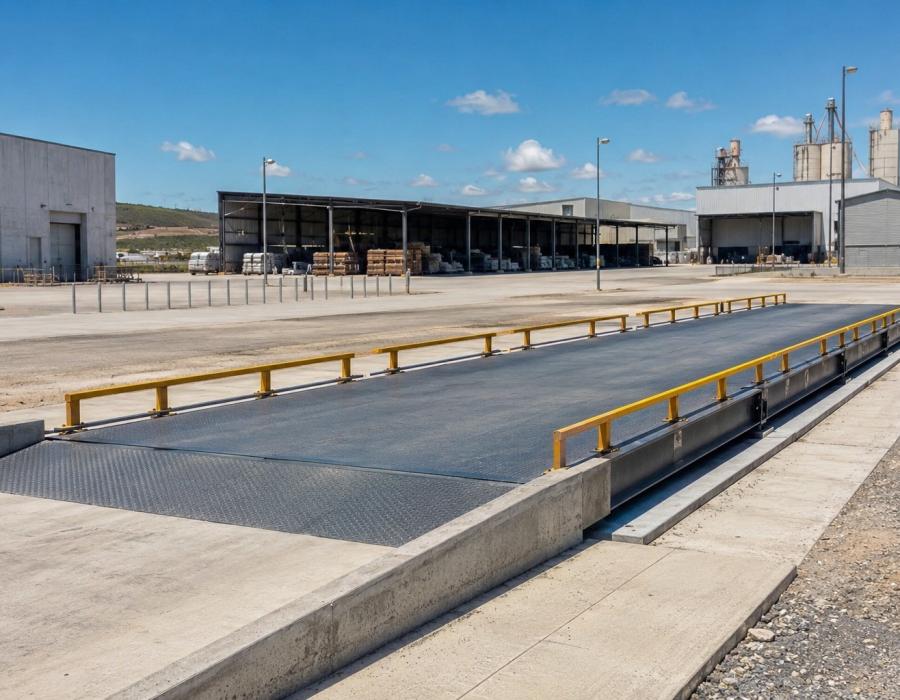
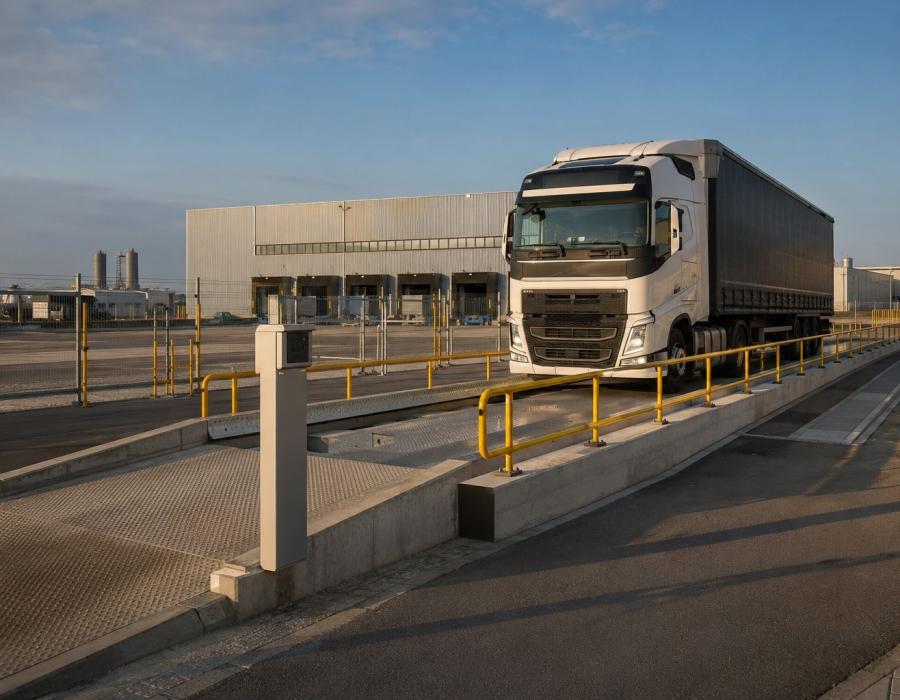
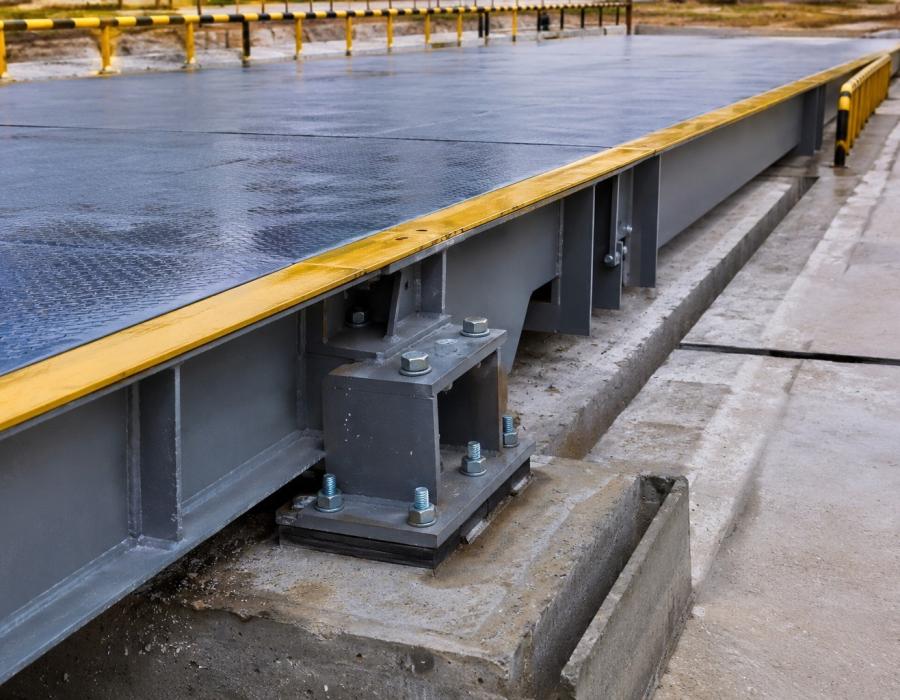
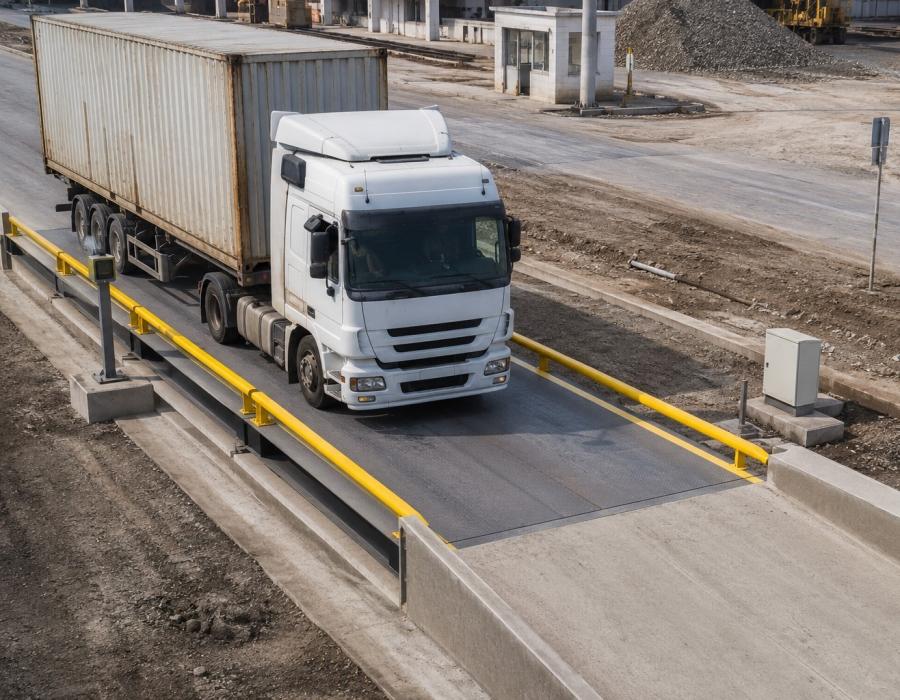
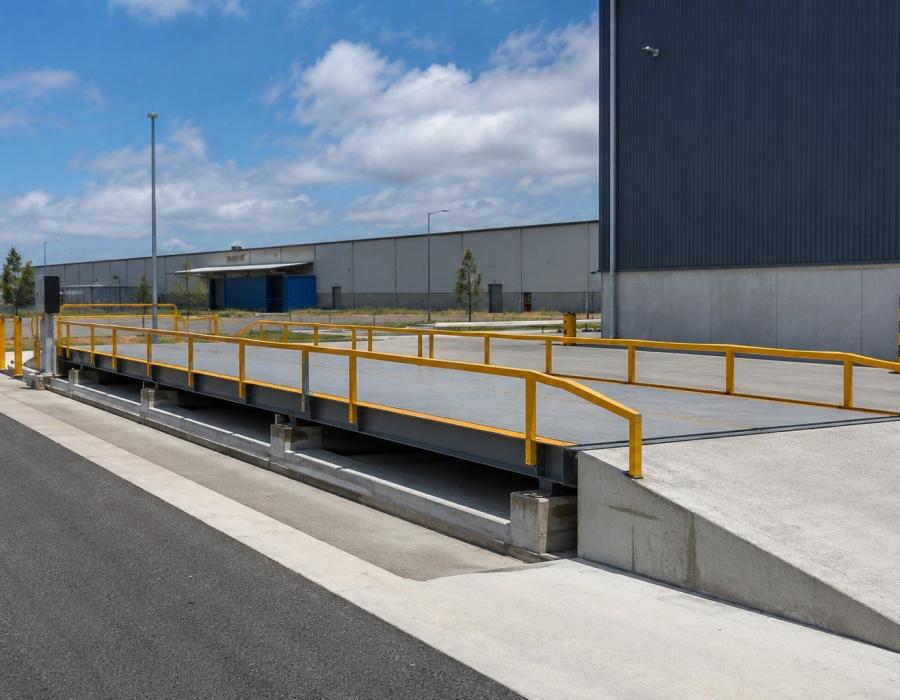
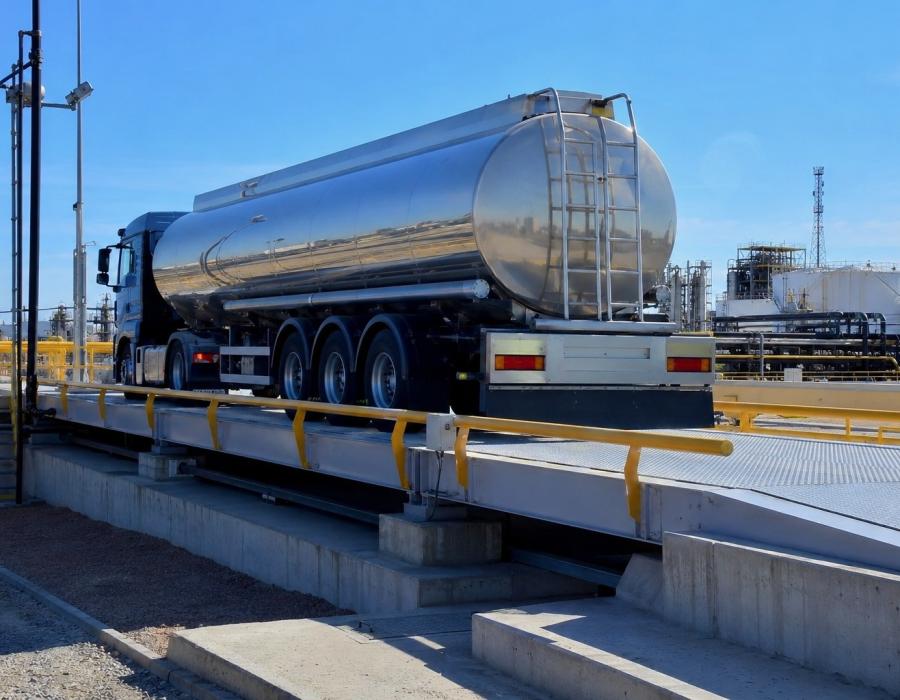
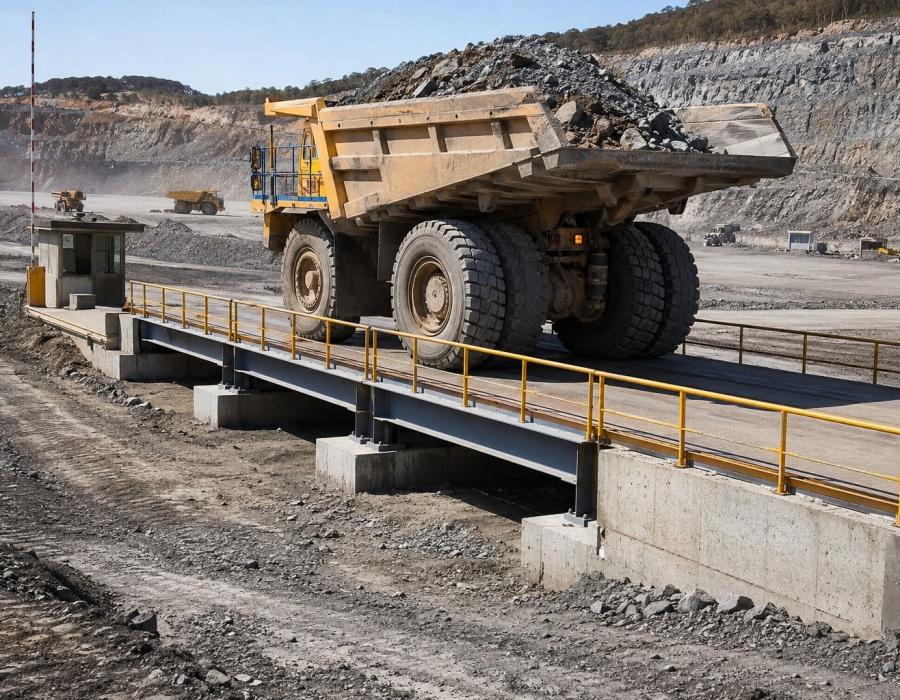
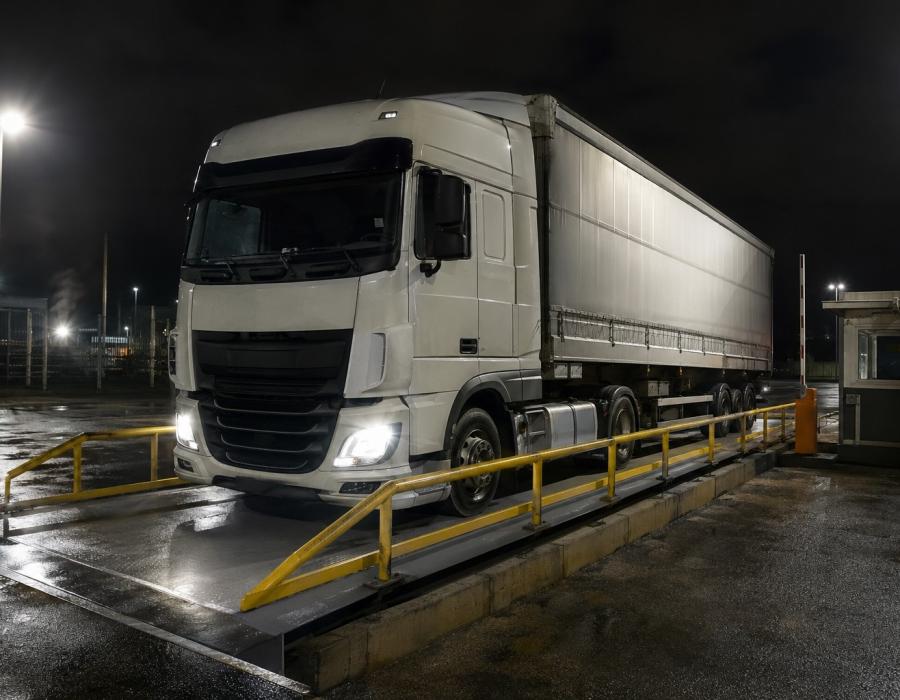
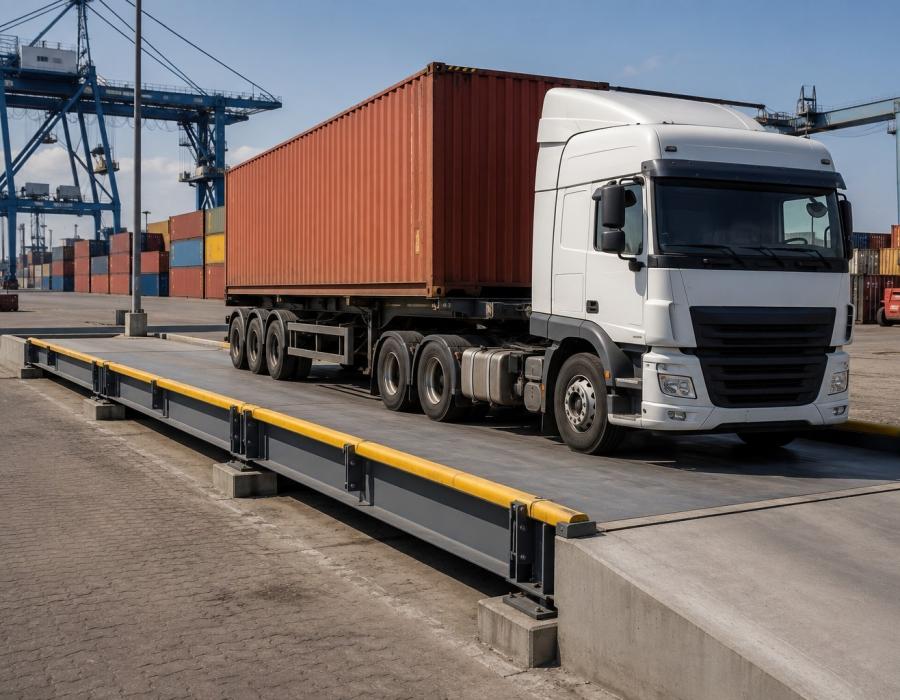
Industrial Weighbridges for Accurate Vehicle Weighing
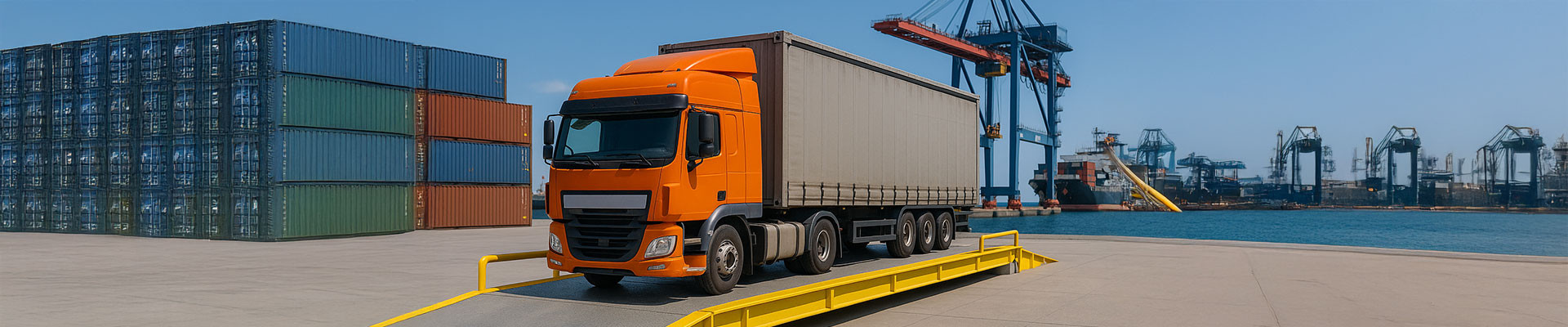
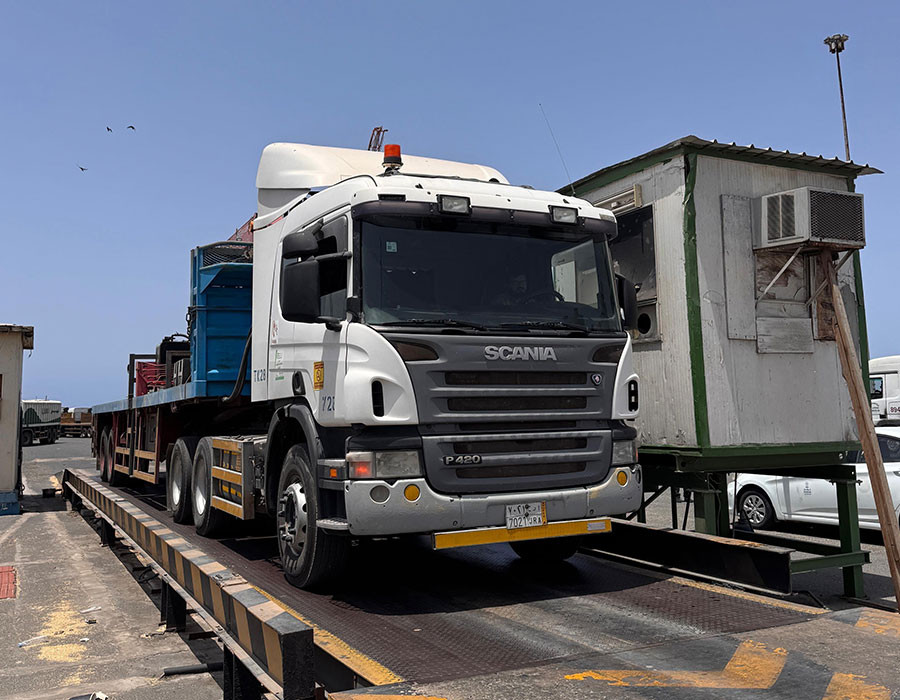
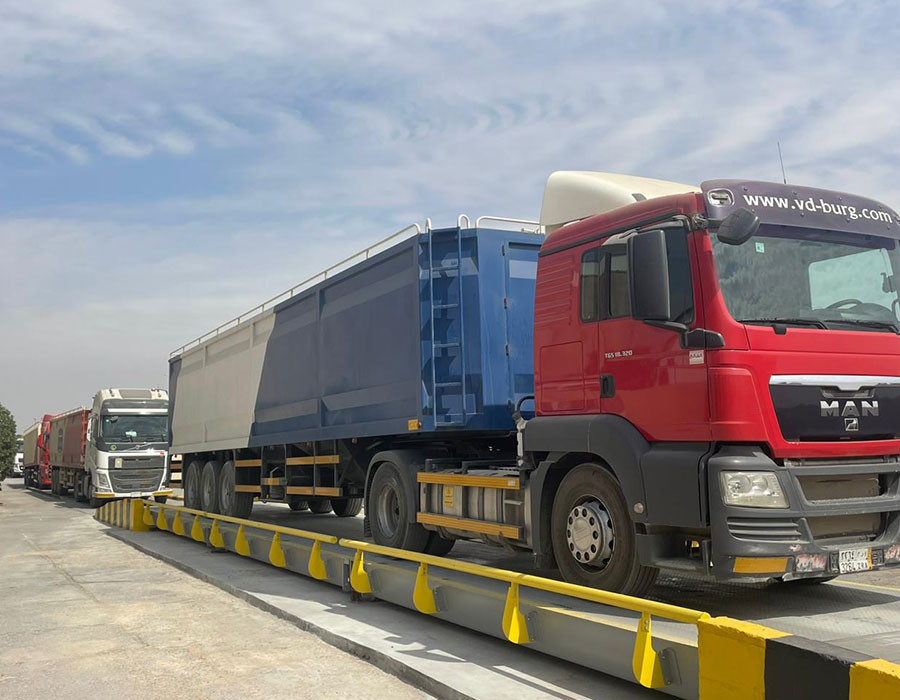
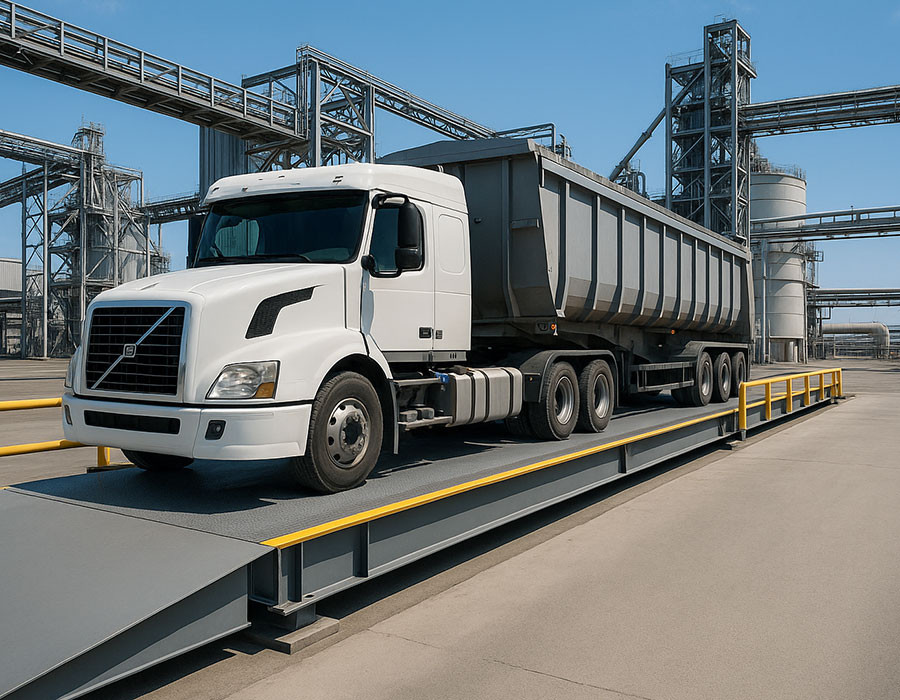
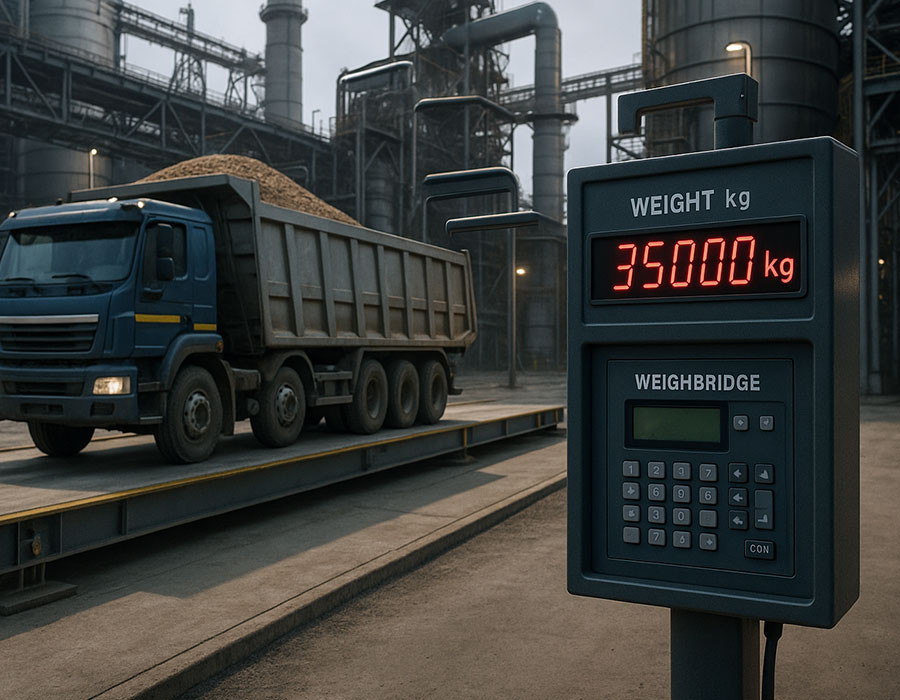
Weighbridges are heavy-duty vehicle weighing systems designed to measure the gross, tare and net weight of trucks, trailers and other commercial vehicles. They are used across industrial and commercial facilities to monitor material movement, support dispatch and receiving, improve transaction accuracy, and maintain reliable weight records.
A suitable weighbridge should match the vehicles using the facility, required weighing capacity, platform dimensions, site conditions, traffic volume and level of automation. Himatrix Arabia provides vehicle weighing solutions that can be configured around these operational requirements.
Weighbridge Solutions for Trucks and Heavy Vehicles
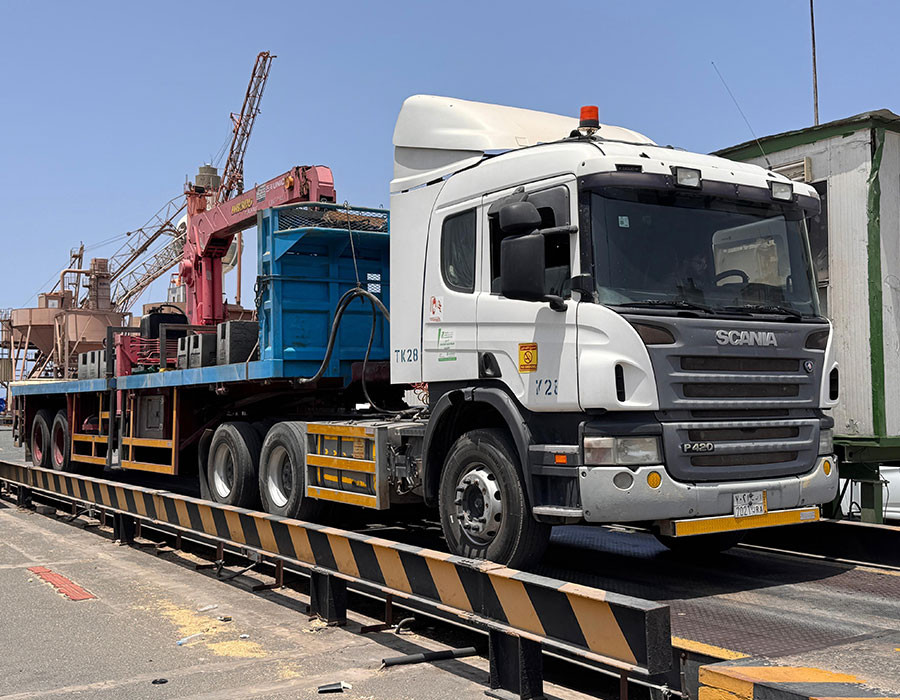
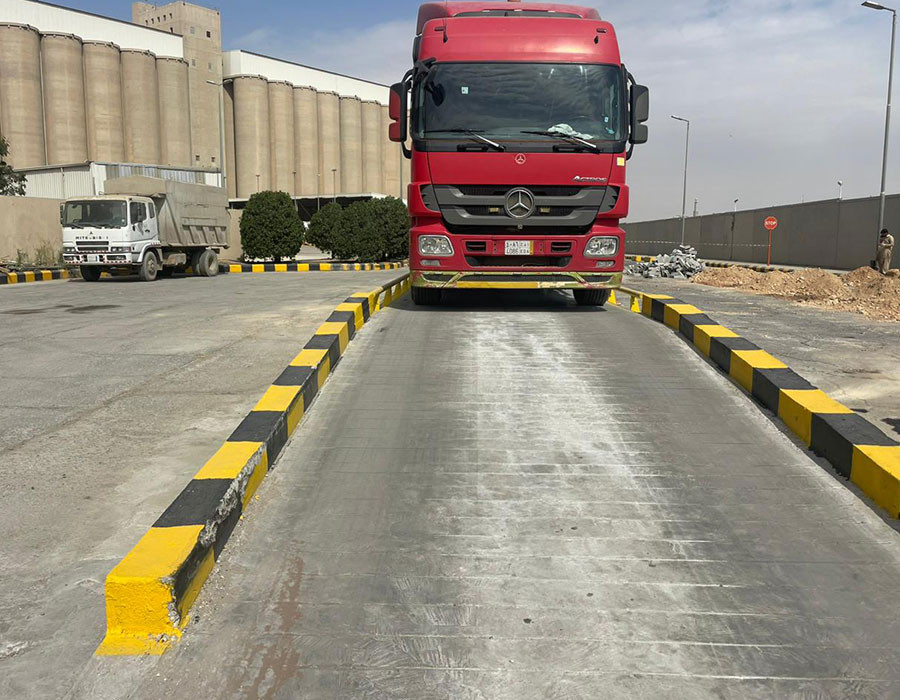
A weighbridge for trucks provides a stable weighing platform for measuring heavy vehicles before or after loading. Depending on the application, the system can be used for trucks, trailers, tankers, dump trucks and other commercial vehicles.
The right configuration depends on factors such as:
- Maximum gross vehicle weight
- Vehicle length, width and axle configuration
- Required weighing capacity
- Expected number of vehicles per day
- Available installation space
- Foundation and drainage conditions
- Operating environment
- Required weighing accuracy
- Automation and software requirements
For high-traffic facilities, the weighing system can also incorporate vehicle identification, traffic control and automated data capture to make vehicle processing faster and more consistent.
Types of Weighbridges
Different sites may require different platform materials and installation arrangements. The choice should be based on vehicle requirements, traffic volume, site conditions and the expected operating environment.
Steel Deck Weighbridges
Steel deck weighbridges use structural steel platforms that can be assembled in sections. This type of construction can provide flexibility when transporting, installing or configuring the weighing platform.
The available configurations include different platform lengths and capacities to accommodate various truck and industrial applications.
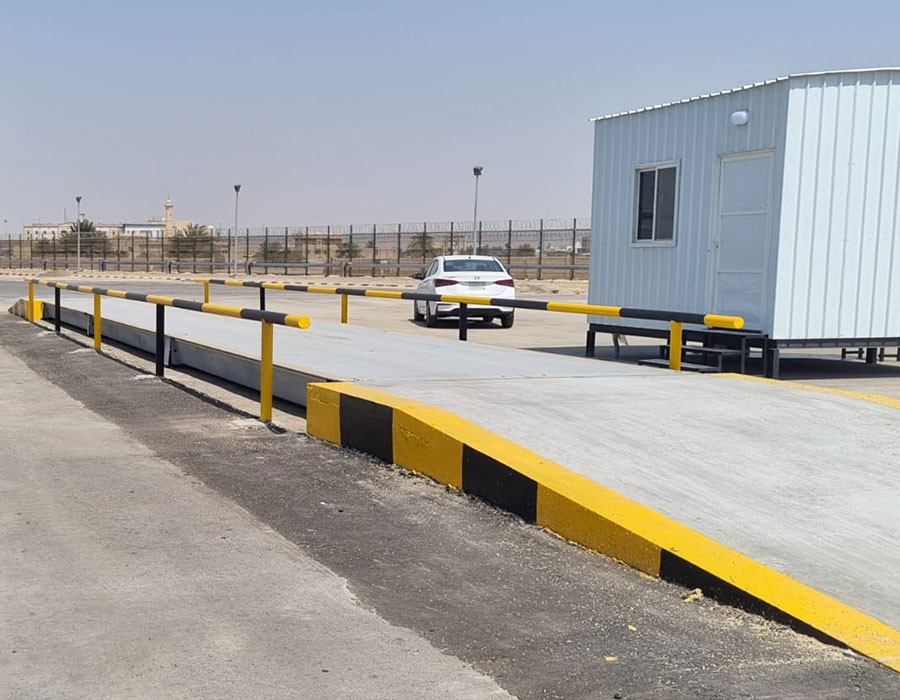
Concrete Weighbridges
Concrete weighbridges are designed for permanent installations where a robust platform is required for continuous vehicle weighing. They can be suitable for demanding environments such as mining, cement, ports and bulk material handling.
The appropriate platform dimensions and capacity should be determined according to the vehicle fleet, traffic volume and site requirements.
Pit and Pitless Weighbridges
The foundation arrangement also affects how a weighbridge is installed and how vehicles approach the platform.
The selection between pit and pitless installation should take into account available space, drainage, soil conditions, vehicle movement, maintenance access and overall site design.
Key Factors When Selecting a Weighbridge
The best weighbridge is not necessarily the largest or highest-capacity model. It should be selected according to the vehicles, traffic and operating conditions of the facility.
Capacity and Vehicle Dimensions
Determine the maximum loaded vehicle weight and the dimensions of the trucks that will use the weighing platform. Platform length and width should allow the complete vehicle to be positioned correctly during weighing.
Future changes to the vehicle fleet should also be considered when determining platform size and capacity.
Traffic Volume
The number of vehicles processed each day affects the required system configuration. A low-volume facility may only require a standard weighing setup, while a busy industrial site may benefit from automated identification, traffic signals, barriers, self-service kiosks and weighing software.
Site Conditions
Available space, soil conditions, drainage, foundation requirements, vehicle approach routes, dust and weather exposure should be assessed before installation.
A proper site assessment helps determine the most practical platform and foundation configuration for the facility.
Weighing Accuracy and Calibration
Consistent weighing performance depends on the platform, load cells, foundation, installation, vehicle positioning and calibration.
The weighing system should be configured and maintained according to the required operating conditions and applicable regulations.
Weighbridge Automation and Vehicle Identification
Modern industrial weighbridges can be integrated with automated technologies to control vehicle movement and reduce manual processing. This is particularly useful for facilities where trucks are weighed continuously or where traceable transaction records are required.
Depending on the application, automation can include:
- RFID vehicle identification
- ANPR/LPR cameras
- Traffic lights
- Boom barriers
- Driver self-service kiosks
- Ticket printing
- Automated data capture
- Weighbridge management software
- Remote monitoring
For example, a vehicle can be identified using RFID or ANPR, directed onto the weighing platform, weighed and then cleared through the appropriate lane. The transaction can subsequently be recorded in the weighing software.
For operations that require automated vehicle identification, weighing and driver self-service, see the Unmanned Truck Scale solution.
Weighbridge Software and System Integration
A weighbridge can function as more than a physical weighing platform. With suitable software, each weighing transaction can be recorded, organized and connected with other operational systems.
Depending on the configuration, information can include:
- Vehicle identification
- Gross weight
- Tare weight
- Net weight
- Date and time
- Material details
- Customer or supplier information
- Ticket information
- Transaction history
- Operational reports
Integration with ERP, MIS and other business systems can connect weighing information with inventory, dispatch, purchasing and reporting workflows.
This can reduce repeated data entry and provide better visibility into material movement across the facility.
Weighbridge Installation, Calibration and Support
A reliable weighing system depends on more than the platform itself. Site preparation, installation, commissioning and calibration all contribute to consistent operation.
Himatrix Arabia can support relevant stages of a weighing project, including:
- Site assessment – Reviewing vehicle types, traffic flow, available space and site conditions.
- System configuration – Selecting the platform, dimensions, capacity and required equipment.
- Installation – Installing the platform, load cells, indicator and associated components.
- Automation integration – Connecting identification, traffic control, kiosks and software where required.
- Commissioning – Testing the weighing system before operational use.
- Calibration – Checking weighing performance and maintaining required accuracy.
- Maintenance and support – Supporting inspection and ongoing system operation.
Regular inspection and calibration can help identify potential issues before they affect weighing records or daily operations.
Weighbridge Applications Across Industries
Weighbridges are used wherever trucks transport materials that need to be measured, recorded or controlled.
Mining and Quarries
Mining and quarry operations use heavy vehicles to transport large quantities of extracted and processed materials. Weighbridges can record material movement and support dispatch, receiving and quantity control.
Cement and Construction
Cement plants and construction-related facilities can use weighbridges to measure aggregates, cement and other bulk materials entering or leaving a site. Weight records can support dispatch, billing and material tracking.
Manufacturing
Manufacturing facilities can use vehicle weighing to monitor raw materials entering the facility and finished products leaving the site. Weighing records can improve material accountability and transaction management.
Logistics and Transportation
Logistics facilities can use weighbridges to record truck movements and manage inbound and outbound vehicle transactions. Automated identification can be particularly useful where vehicle volumes are high or the same fleet visits regularly.
Agriculture and Bulk Material Handling
Agricultural facilities can use weighing systems for grain, feed, fertiliser and other bulk products during receiving and dispatch. Reliable weight records can support inventory and commercial transactions.
Waste Management and Recycling
Weighbridges can measure incoming and outgoing waste or recyclable materials. Weight information can be used for transaction records, billing, reporting and material tracking.
Weighbridge Solutions in Saudi Arabia
Industrial facilities across Saudi Arabia can have demanding requirements for heavy vehicle weighing, particularly in mining, quarrying, cement, construction, manufacturing, logistics and bulk material handling.
When evaluating a weighbridge Saudi Arabia solution, the platform should be considered together with its capacity, dimensions, foundation, automation, software integration, installation and ongoing support.
Key considerations include:
- Maximum vehicle and load requirements
- Platform dimensions and capacity
- Pit or pitless installation
- Expected daily vehicle volume
- Environmental and site conditions
- Vehicle identification requirements
- Software and ERP integration
- Calibration requirements
- Maintenance and technical support
A suitable weighbridge manufacturer should be able to understand the application requirements and recommend a configuration based on the site's vehicle types, capacity, traffic volume and operating conditions.
Why Choose Himatrix Arabia for Weighbridge Solutions?
Himatrix Arabia provides vehicle weighing solutions for industrial and commercial applications, with configurations based on vehicle requirements, site conditions, weighing capacity and operational needs.
Services can include:
- Weighbridge system configuration
- Installation and commissioning
- Calibration support
- Vehicle identification
- Weighbridge automation
- RFID and ANPR integration
- Software integration
- ERP/MIS integration
- Maintenance and technical support
The focus is on selecting a weighing system that fits the facility's vehicle types, traffic patterns, site conditions and business processes.
For projects where a standard weighing platform needs to be adapted to specific vehicle dimensions, site limitations, capacity or integration requirements, explore Customized Truck Scales .
