

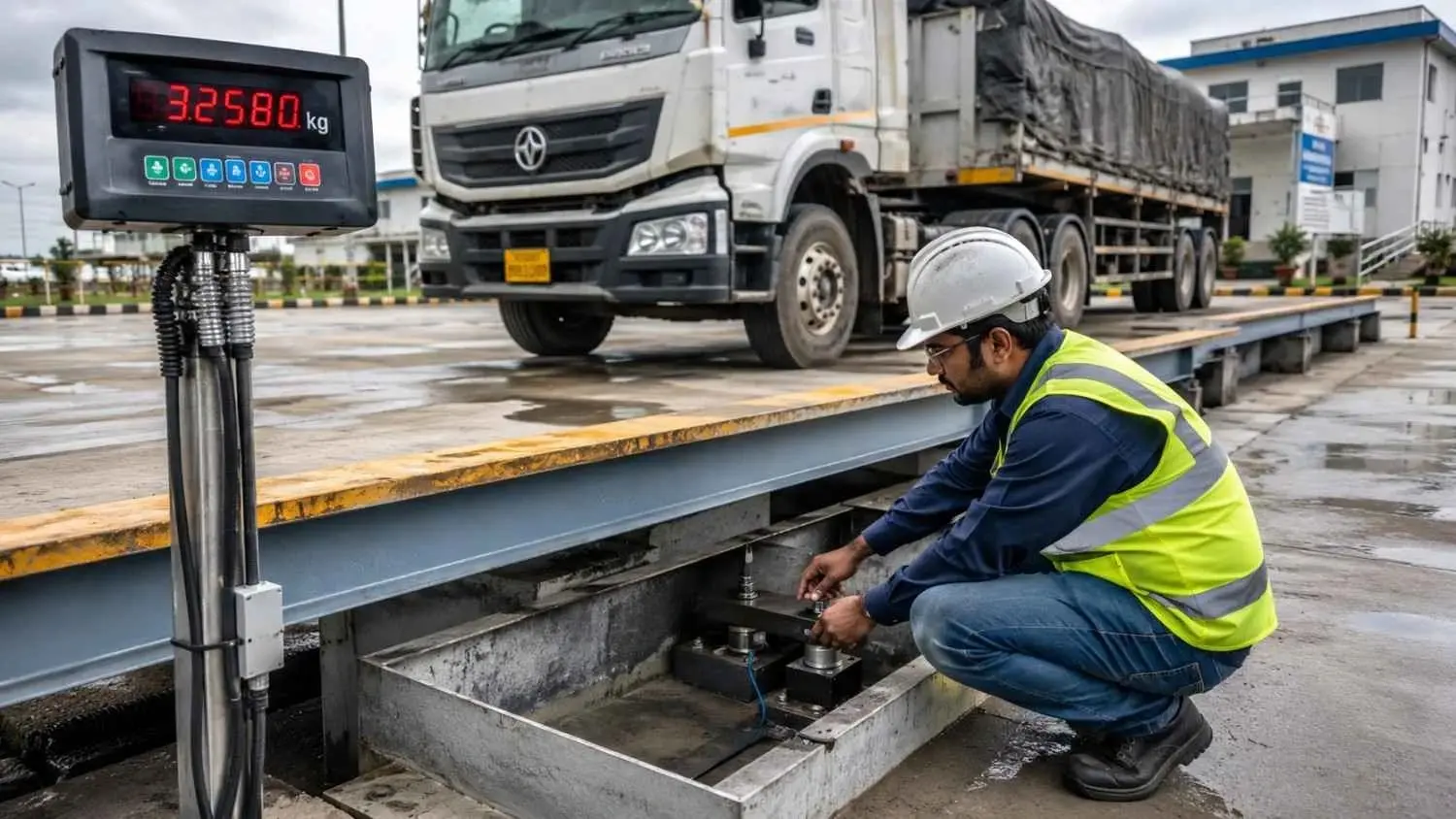
Weighbridges play a vital role in industries that rely on accurate vehicle and load measurement. From logistics and transportation to mining, manufacturing, agriculture, waste management, and construction, weighbridges help businesses ensure compliance, manage inventory, optimize operations, and protect revenue. However, like any industrial equipment, weighbridges are subject to wear and tear, environmental influences, and operational challenges that can affect their performance over time.
A malfunctioning weighbridge can lead to inaccurate weight readings, operational delays, compliance issues, and significant financial losses. Even minor weighing errors can accumulate into substantial revenue leakage when thousands of vehicles pass through a facility annually. This is why regular maintenance and timely troubleshooting are essential for ensuring reliable and accurate weighbridge performance.
Understanding common weighbridge problems and implementing preventive maintenance practices can significantly extend the lifespan of the system while reducing downtime and repair costs. In this comprehensive guide, we explore the most common weighbridge issues, their causes, warning signs, troubleshooting methods, and practical maintenance tips to keep your weighing system operating at peak efficiency.
Understanding the Importance of Weighbridge Maintenance
Many businesses view weighbridges as durable, low-maintenance assets. While modern weighbridges are designed for long-term industrial use, neglecting routine maintenance can lead to performance degradation and costly failures.
Proper maintenance helps:
- Ensure accurate weight measurements
- Minimize downtime
- Improve operational efficiency
- Reduce repair costs
- Extend equipment lifespan
- Maintain regulatory compliance
- Protect business revenue
- Enhance workplace safety
A proactive maintenance strategy is always more cost-effective than dealing with unexpected breakdowns.
How a Weighbridge Works
Before discussing common problems, it is important to understand the basic components of a weighbridge.
A typical weighbridge consists of:
Weighbridge Platform
The structural deck where vehicles are weighed.
Load Cells
Sensors that convert weight into electrical signals.
Junction Box
Connects and manages signals from multiple load cells.
Weight Indicator
Displays the measured weight.
Software System
Records data, generates reports, and integrates with business systems.
Cabling and Electrical Components
Transmit signals between various system components.
Each component plays a critical role in ensuring accurate and reliable weight measurement.
Common Weighbridge Problems
1. Inaccurate Weight Readings
One of the most common weighbridge issues is inaccurate weight measurement.
Possible Causes
- Damaged load cells
- Calibration drift
- Mechanical obstruction
- Electrical interference
- Debris accumulation
- Faulty junction box
- Foundation movement
Warning Signs
- Weight variations between measurements
- Unexpected weight differences
- Customer complaints
- Audit discrepancies
Solutions
- Conduct calibration checks
- Inspect load cells
- Remove debris
- Verify electrical connections
- Schedule professional servicing
2. Load Cell Failure
Load cells are considered the heart of a weighbridge system.
Common Causes
- Water ingress
- Lightning damage
- Overloading
- Corrosion
- Physical impact
- Aging components
Symptoms
- Erratic readings
- Zero balance issues
- Complete weighing failure
- Inconsistent measurements
Prevention
- Install surge protection
- Use waterproof load cells
- Avoid excessive loading
- Conduct regular inspections
Replacing damaged load cells promptly helps maintain weighing accuracy.
3. Water Damage
Water is one of the biggest threats to weighbridge performance.
Areas Affected
- Load cells
- Junction boxes
- Electrical cables
- Connectors
Causes
- Heavy rainfall
- Flooding
- Poor drainage
- Damaged seals
Effects
- Signal interruption
- Corrosion
- Electrical faults
- Component failure
Maintenance Tips
- Inspect drainage systems regularly
- Seal vulnerable areas
- Use waterproof equipment
- Conduct post-rain inspections
4. Cable Damage
Electrical cables transmit crucial data between weighbridge components.
Causes
- Rodent attacks
- Vehicle impact
- Environmental exposure
- Aging insulation
Warning Signs
- Intermittent readings
- Communication errors
- System downtime
Preventive Measures
- Use protective conduits
- Perform routine inspections
- Replace damaged cables immediately
5. Junction Box Issues
The junction box combines signals from multiple load cells.
Common Problems
- Moisture intrusion
- Loose connections
- Corrosion
- Signal imbalance
Symptoms
- Weight inconsistencies
- Unstable readings
- Calibration difficulties
Solutions
- Inspect regularly
- Keep sealed and dry
- Tighten loose terminals
- Replace damaged components
6. Calibration Drift
Calibration ensures weighbridge accuracy.
Over time, calibration may shift due to:
- Heavy usage
- Environmental changes
- Structural movement
- Component aging
Indicators
- Gradual weight discrepancies
- Failed inspections
- Customer disputes
Maintenance Tip
Schedule calibration checks according to manufacturer recommendations and local regulations.
7. Structural Damage
Weighbridge platforms experience constant stress from heavy vehicles.
Causes
- Excessive loads
- Corrosion
- Poor maintenance
- Vehicle accidents
Signs
- Visible cracks
- Platform deformation
- Uneven surfaces
- Unusual noises
Prevention
- Conduct visual inspections
- Repair minor damage quickly
- Monitor load limits
8. Foundation Problems
A stable foundation is essential for accurate weighing.
Common Issues
- Ground settlement
- Soil erosion
- Water damage
- Structural shifting
Effects
- Incorrect weight readings
- Platform instability
- Increased wear
Maintenance Recommendations
Inspect foundation integrity periodically and address drainage issues promptly.
9. Electrical Power Fluctuations
Voltage instability can impact weighbridge electronics.
Problems Caused
- System resets
- Data loss
- Load cell damage
- Indicator malfunction
Protection Measures
- Install voltage stabilizers
- Use surge protectors
- Ensure proper grounding
10. Software and Data Management Issues
Modern weighbridges rely heavily on software.
Common Problems
- Data corruption
- System crashes
- Communication failures
- Integration errors
Solutions
- Regular software updates
- Data backups
- System monitoring
- IT support
11. Display Indicator Malfunctions
Weight indicators are essential for system operation.
Common Causes
- Electrical faults
- Damaged screens
- Internal component failure
Symptoms
- Blank displays
- Incorrect readings
- Frozen screens
Prevention
- Maintain clean operating environments
- Protect against voltage fluctuations
- Schedule inspections
12. Vehicle Positioning Errors
Improper vehicle positioning can produce inaccurate results.
Causes
- Driver error
- Inadequate guidance systems
- Poor platform markings
Solutions
- Install clear signage
- Train operators
- Use positioning sensors
Environmental Factors Affecting Weighbridges
Temperature Changes
Extreme temperatures can affect electronic components and structural materials.
Effects
- Signal variations
- Material expansion and contraction
Prevention
Use temperature-compensated load cells and conduct seasonal inspections.
Dust and Debris Accumulation
Industrial environments often generate significant dust.
Risks
- Sensor blockage
- Mechanical obstruction
- Component wear
Maintenance
Clean weighbridge surfaces regularly.
Corrosion
Corrosion is particularly problematic in coastal and humid environments.
Common Targets
- Steel structures
- Connectors
- Junction boxes
Prevention
- Apply protective coatings
- Conduct anti-corrosion treatments
- Perform regular inspections
Essential Weighbridge Maintenance Tips
Daily Maintenance Checklist
Operators should perform quick inspections every day.
Tasks Include
- Remove dirt and debris
- Check display functionality
- Inspect platform condition
- Verify vehicle positioning markings
Daily attention helps identify problems early.
Weekly Maintenance Checklist
Weekly inspections should include:
- Cable condition checks
- Junction box inspections
- Drainage assessment
- Visual structural inspection
These checks help prevent larger issues from developing.
Monthly Maintenance Checklist
Monthly maintenance may include:
- Testing load cell performance
- Reviewing software logs
- Inspecting foundations
- Verifying indicator accuracy
Quarterly Maintenance Checklist
Every three months:
- Conduct detailed system inspections
- Verify electrical grounding
- Check protective coatings
- Assess corrosion levels
Annual Maintenance Checklist
Professional servicing should be performed annually.
This includes:
- Full calibration
- Comprehensive inspection
- Load cell testing
- Structural assessment
- Software evaluation
Annual maintenance ensures long-term reliability.
Best Practices for Weighbridge Operators
Train Staff Properly
Operator training helps reduce:
- Positioning errors
- Equipment misuse
- Operational mistakes
Well-trained staff contribute significantly to weighbridge accuracy.
Avoid Overloading
Never exceed the weighbridge’s rated capacity.
Overloading can cause:
- Structural damage
- Load cell failure
- Reduced lifespan
Maintain Cleanliness
Keep the weighbridge free from:
- Mud
- Stones
- Debris
- Waste materials
Clean systems operate more accurately and require fewer repairs.
Monitor Performance Trends
Track:
- Weight discrepancies
- Calibration records
- Repair history
- Downtime incidents
Data analysis helps identify recurring issues.
Benefits of Preventive Maintenance
Preventive maintenance offers several advantages.
Improved Accuracy
Regular inspections ensure reliable measurements.
Reduced Downtime
Early detection prevents unexpected failures.
Lower Repair Costs
Minor repairs are less expensive than major replacements.
Longer Equipment Life
Well-maintained weighbridges can operate effectively for decades.
Better Compliance
Accurate weighing supports regulatory requirements.
Signs That Your Weighbridge Needs Professional Attention
Seek professional assistance if you notice:
- Frequent calibration failures
- Significant weight discrepancies
- Load cell errors
- Structural damage
- Electrical faults
- Software issues
- Unusual system behavior
Ignoring these warning signs can lead to larger and more costly problems.
Choosing the Right Maintenance Partner
Selecting an experienced service provider is essential.
Look for:
- Industry expertise
- Certified technicians
- Fast response times
- Calibration services
- Spare parts availability
- Preventive maintenance programs
Businesses seeking dependable Weighbridge Service support should choose providers that offer comprehensive inspection, calibration, repair, and maintenance solutions to ensure uninterrupted operations and long-term equipment reliability.
Future of Weighbridge Maintenance
Technology is transforming weighbridge maintenance practices.
Emerging trends include:
IoT Monitoring
Real-time performance tracking.
Predictive Maintenance
Identifying failures before they occur.
Cloud-Based Diagnostics
Remote troubleshooting and support.
AI-Powered Analytics
Detecting operational anomalies automatically.
Automated Alerts
Immediate notifications for maintenance requirements.
These innovations help businesses improve reliability while reducing maintenance costs.
Conclusion
Weighbridges are critical assets for industries that depend on accurate vehicle and material weighing. However, even the most advanced systems can experience problems if they are not properly maintained. Issues such as inaccurate readings, load cell failures, water damage, calibration drift, structural wear, and software malfunctions can significantly impact operational efficiency and profitability.
The good news is that most weighbridge problems can be prevented through regular inspections, proper cleaning, routine calibration, staff training, and proactive maintenance programs. By implementing a structured maintenance strategy, businesses can maximize weighbridge performance, reduce downtime, improve accuracy, and extend equipment lifespan.
Whether operating in logistics, manufacturing, mining, agriculture, or construction, organizations that prioritize weighbridge maintenance gain a competitive advantage through greater operational efficiency, regulatory compliance, and revenue protection. Investing in preventive maintenance today helps ensure reliable weighing performance and long-term business success for years to come.