

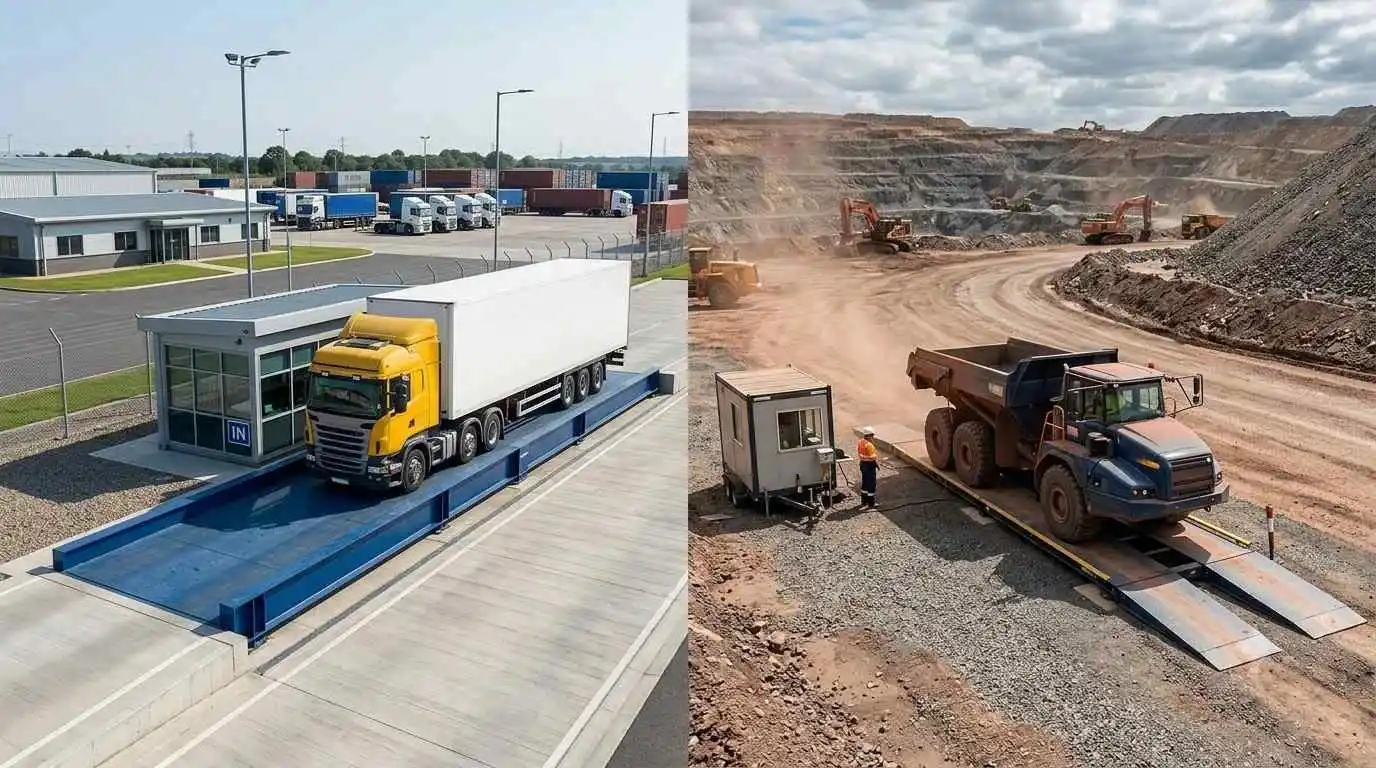
Accurate vehicle weighing is a critical component of modern industrial operations. From logistics and transportation to mining, construction, agriculture, and manufacturing, businesses rely on precise weight measurements to ensure compliance, optimize operations, and protect revenue. As industries continue to seek efficient weighing solutions, the debate between static weighbridges and portable weighbridges remains a common consideration.
Both weighing systems serve the same fundamental purpose—measuring the weight of vehicles and their loads—but they differ significantly in terms of installation, mobility, cost, operational flexibility, and long-term value. Choosing the right weighbridge can directly impact productivity, efficiency, and profitability.
This comprehensive guide explores the differences between static and portable weighbridges, their advantages and disadvantages, ideal applications, and the factors businesses should consider before making an investment.
Understanding Weighbridges
A weighbridge is a large industrial scale designed to measure the weight of trucks, trailers, tankers, and other heavy vehicles. It helps businesses determine the gross vehicle weight, tare weight, and net load weight.
Weighbridges are commonly used in:
- Logistics and transportation
- Mining operations
- Construction sites
- Manufacturing facilities
- Agricultural businesses
- Waste management plants
- Ports and shipping terminals
The two most common categories are:
- Static Weighbridge
- Portable Weighbridge
Understanding how each system works is essential before deciding which option best suits your business needs.
What Is a Static Weighbridge?
A static weighbridge is a permanently installed vehicle weighing system built on a fixed foundation. Vehicles drive onto the platform and remain stationary while weight measurements are recorded.
These weighbridges are typically installed in:
- Industrial plants
- Distribution centers
- Logistics hubs
- Mining facilities
- Manufacturing units
- Large warehouses
Static weighbridges are designed for continuous, long-term operation and can handle high traffic volumes efficiently.
What Is a Portable Weighbridge?
A portable weighbridge is a movable weighing system designed for temporary or flexible use. Unlike static systems, portable weighbridges can be transported and installed at different locations as required.
Portable weighbridges are commonly used in:
- Construction projects
- Temporary mining sites
- Agricultural fields
- Road inspection checkpoints
- Seasonal operations
- Remote industrial locations
Their mobility makes them a practical solution for businesses operating across multiple sites.
Static vs Portable Weighbridge: Key Differences
Installation
Static Weighbridge
Static weighbridges require:
- Permanent foundation work
- Site preparation
- Civil construction
- Professional installation
The installation process may take several days or weeks depending on site conditions.
Portable Weighbridge
Portable systems require:
- Minimal site preparation
- Faster setup
- Little or no foundation work
- Easier deployment
Most portable weighbridges can be operational within a few hours or days.
Winner: Portable Weighbridge
For businesses seeking rapid deployment, portable systems offer a clear advantage.
Mobility
Static Weighbridge
Once installed, a static weighbridge remains in one location.
Relocating it can involve:
- Significant labor
- Additional costs
- Site reconstruction
- Operational downtime
Portable Weighbridge
Portable weighbridges are specifically designed for mobility.
Benefits include:
- Easy transportation
- Multiple-site usage
- Temporary deployment
- Flexible operations
Winner: Portable Weighbridge
Businesses requiring flexibility benefit greatly from portable solutions.
Accuracy
Static Weighbridge
Static weighbridges are known for:
- Exceptional precision
- Stable weighing conditions
- High repeatability
- Consistent measurements
Their permanent foundations help minimize environmental influences.
Portable Weighbridge
Modern portable weighbridges offer excellent accuracy, but performance may vary depending on:
- Surface conditions
- Installation quality
- Site stability
Winner: Static Weighbridge
For maximum weighing precision, static systems generally perform better.
Load Capacity
Static Weighbridge
Static weighbridges are built to handle:
- Heavy truck traffic
- Large industrial vehicles
- Oversized loads
- Continuous operations
Load capacities often exceed industry requirements.
Portable Weighbridge
Portable systems support substantial loads but may have limitations compared to heavy-duty static installations.
Winner: Static Weighbridge
For industries handling extremely heavy loads, static weighbridges are often the preferred choice.
Durability
Static Weighbridge
Static weighbridges are engineered for:
- Long-term use
- Harsh industrial environments
- High traffic volumes
- Heavy-duty applications
Their robust construction provides excellent longevity.
Portable Weighbridge
Portable systems are durable but designed with mobility in mind, which may affect long-term wear resistance under extreme usage conditions.
Winner: Static Weighbridge
Permanent installations generally offer superior durability.
Cost Considerations
Static Weighbridge
Costs include:
- Equipment purchase
- Foundation construction
- Site preparation
- Installation expenses
- Utility connections
Initial investment is often higher.
Portable Weighbridge
Portable systems typically require:
- Lower installation costs
- Minimal civil work
- Reduced setup expenses
Initial investment can be significantly lower.
Winner: Portable Weighbridge
Businesses with budget constraints often prefer portable systems.
Maintenance Requirements
Static Weighbridge
Maintenance generally includes:
- Calibration
- Cleaning
- Structural inspections
- Software updates
Due to their permanent nature, servicing is relatively straightforward.
Portable Weighbridge
Frequent transportation may increase:
- Wear and tear
- Handling-related maintenance
- Recalibration requirements
Winner: Static Weighbridge
Fixed installations often have lower long-term maintenance complexity.
Space Requirements
Static Weighbridge
Requires:
- Dedicated installation area
- Vehicle approach roads
- Permanent infrastructure
This may not be feasible for smaller facilities.
Portable Weighbridge
Offers:
- Flexible placement
- Temporary setups
- Reduced space commitment
Winner: Portable Weighbridge
Portable systems provide greater flexibility for limited spaces.
Operational Efficiency
Static Weighbridge
Ideal for:
- High-volume traffic
- Continuous operations
- Permanent facilities
Provides smooth workflow integration.
Portable Weighbridge
Suitable for:
- Temporary projects
- Mobile operations
- Seasonal weighing requirements
Winner: Depends on Application
Both systems perform efficiently when matched with the right operational needs.
Advantages of Static Weighbridges
1. Superior Accuracy
Permanent foundations create stable weighing conditions that deliver highly precise measurements.
2. Long-Term Reliability
Static systems are designed for years of uninterrupted operation.
3. High Traffic Capacity
Ideal for facilities processing large numbers of vehicles daily.
4. Better Integration
Can be integrated with:
- ERP systems
- Inventory software
- Security systems
- Automated reporting platforms
5. Strong Return on Investment
Long service life often results in significant long-term value.
Advantages of Portable Weighbridges
1. Easy Relocation
Can be moved between sites as operational needs change.
2. Lower Installation Costs
Minimal infrastructure requirements reduce setup expenses.
3. Faster Deployment
Allows businesses to begin operations quickly.
4. Ideal for Temporary Projects
Perfect for construction, roadwork, and seasonal activities.
5. Flexible Operations
Supports dynamic business environments and remote locations.
Industries That Prefer Static Weighbridges
Manufacturing
Manufacturers require permanent weighing solutions for consistent material flow.
Logistics Hubs
Distribution centers benefit from continuous vehicle weighing operations.
Mining Operations
Large mining facilities process substantial material volumes daily.
Ports and Shipping Terminals
Permanent infrastructure supports efficient cargo management.
Waste Management Facilities
High-volume operations require durable, fixed weighing systems.
Industries That Prefer Portable Weighbridges
Construction
Projects frequently move from one location to another.
Agriculture
Portable systems support seasonal harvesting activities.
Road Enforcement
Authorities use portable weighbridges for roadside inspections.
Remote Mining Sites
Temporary mining operations benefit from mobile weighing solutions.
Disaster Relief and Emergency Operations
Portable systems can be deployed quickly where needed.
Factors to Consider Before Choosing a Weighbridge
Business Location
Permanent facilities often benefit from static installations, while temporary operations may prefer portable systems.
Vehicle Volume
High traffic levels generally favor static weighbridges.
Budget
Portable weighbridges often require a lower upfront investment.
Future Expansion
Businesses planning multiple operational sites may benefit from portable flexibility.
Regulatory Compliance
Ensure the selected weighbridge meets local legal and industry standards.
Site Conditions
Terrain, available space, and environmental conditions can influence the decision.
Technology Trends in Modern Weighbridges
Today’s weighbridge systems include advanced technologies such as:
Digital Load Cells
Provide highly accurate and stable weight measurements.
Cloud Connectivity
Enables remote monitoring and reporting.
RFID Integration
Automates vehicle identification.
CCTV Monitoring
Enhances security and fraud prevention.
Automated Ticket Generation
Improves efficiency and reduces manual workload.
IoT-Based Monitoring
Supports predictive maintenance and operational analytics.
Both static and portable weighbridges are increasingly adopting these technologies to improve performance and user experience.
Common Myths About Portable Weighbridges
Myth 1: Portable Weighbridges Are Inaccurate
Modern portable systems provide highly reliable measurements when properly installed.
Myth 2: Portable Weighbridges Are Only for Small Loads
Many portable models support heavy commercial vehicles and industrial applications.
Myth 3: Portable Systems Are Difficult to Operate
Most modern portable weighbridges feature user-friendly interfaces and automated software.
Common Myths About Static Weighbridges
Myth 1: Static Weighbridges Are Too Expensive
While the initial investment may be higher, long-term value often offsets installation costs.
Myth 2: Installation Is Always Complicated
Modern modular designs can significantly reduce installation timelines.
Myth 3: Static Systems Cannot Be Upgraded
Most modern weighbridges support software upgrades and technology enhancements.
Which Is Better: Static or Portable Weighbridge?
The answer depends entirely on your business requirements.
Choose a static weighbridge if you need:
- Permanent installation
- Maximum accuracy
- High vehicle throughput
- Long-term industrial operations
- Heavy-duty performance
Choose a portable weighbridge if you need:
- Mobility
- Fast deployment
- Temporary operations
- Lower installation costs
- Multi-site flexibility
Neither solution is universally better; the ideal choice depends on operational goals, site conditions, budget, and future business plans.
Businesses seeking professional Weighbridge And Scale Services should evaluate both options carefully and work with experienced providers who can recommend the most suitable system based on operational requirements, compliance needs, and long-term growth objectives.
Conclusion
Static and portable weighbridges each offer unique advantages that cater to different industrial applications. Static weighbridges excel in accuracy, durability, and long-term performance, making them ideal for permanent facilities with high traffic volumes. Portable weighbridges, on the other hand, provide flexibility, mobility, and rapid deployment, making them perfect for temporary projects and multi-site operations.
As industries continue to prioritize efficiency, compliance, and operational optimization, selecting the right weighbridge becomes increasingly important. Understanding the strengths and limitations of both systems allows businesses to make informed decisions that support productivity, profitability, and sustainable growth.
Before investing in a weighbridge, carefully assess your operational needs, budget, site conditions, and future expansion plans. With the right solution in place, businesses can improve weighing accuracy, streamline logistics, enhance compliance, and achieve greater operational success.