

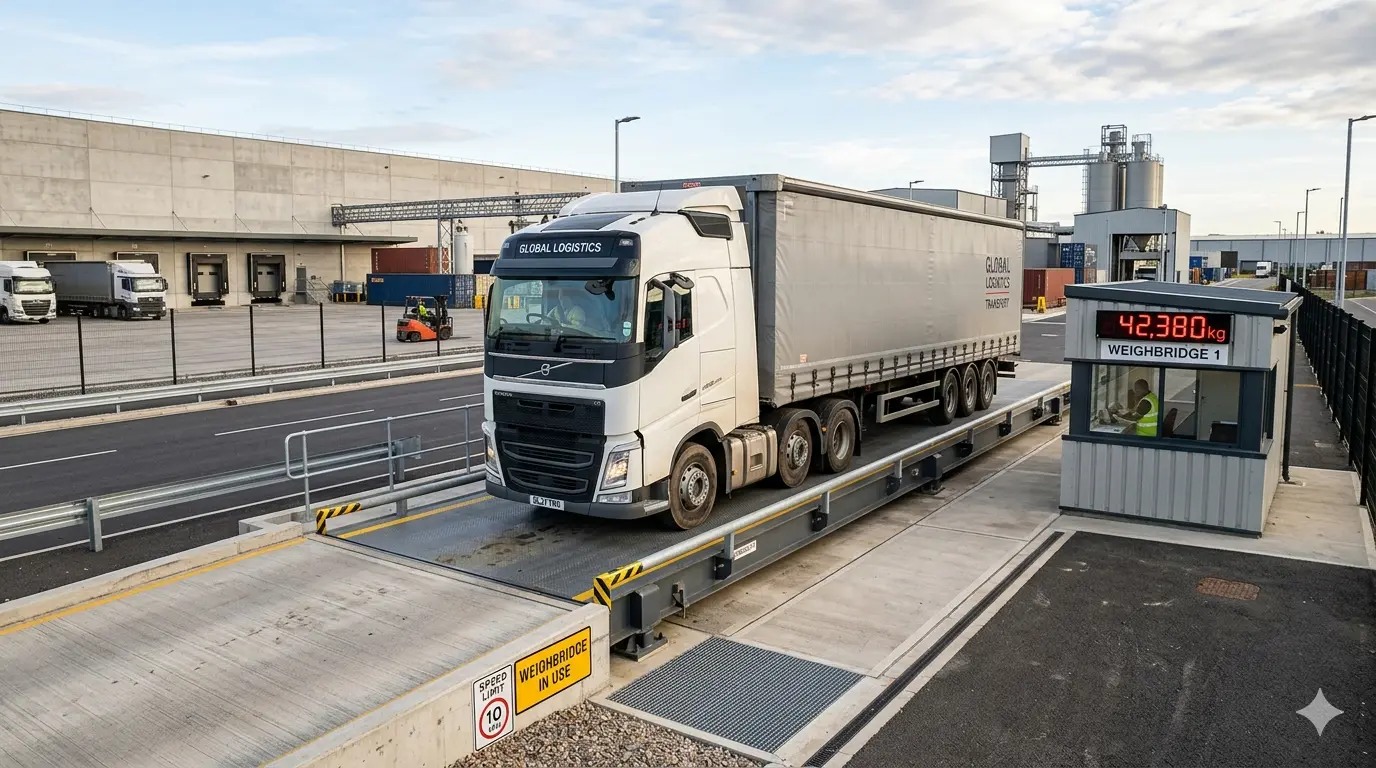
In industries where accurate weight measurement is critical, a weighbridge plays a vital role. Whether it’s logistics, construction, mining, or agriculture, businesses rely on weighbridges to ensure transparency, compliance, and efficiency in operations.
If you’ve ever seen large trucks being weighed before entering or exiting a facility, you’ve witnessed a weighbridge in action. But what exactly is a weighbridge? How does it work? What are its types, uses, and benefits?
This comprehensive guide will answer all your questions and help you understand why weighbridges are essential for modern industries.
What is a Weighbridge?
A weighbridge, also known as a truck scale, is a large weighing system designed to measure the weight of heavy vehicles such as trucks, trailers, and containers. It is typically installed on the ground or embedded into it, allowing vehicles to drive onto the platform for accurate weight measurement.
Weighbridges are widely used to:
- Determine the weight of goods transported
- Ensure legal compliance with load limits
- Prevent overloading
- Maintain accurate inventory records
How Does a Weighbridge Work?
A weighbridge operates using advanced sensors called load cells, which convert force (weight) into electrical signals. These signals are then processed and displayed digitally.
Key Components of a Weighbridge:
- Platform (Deck): The surface where vehicles are placed
- Load Cells: Sensors that measure weight
- Indicator System: Displays weight readings
- Junction Box: Connects load cells
- Software System: Records and manages data
Working Process:
- A vehicle drives onto the weighbridge
- Load cells detect the weight
- Signals are transmitted to the indicator
- Weight is displayed and recorded
This process takes only a few seconds, making weighbridges highly efficient for busy industrial environments.
Types of Weighbridges
Different industries require different types of weighbridges depending on their operational needs. Here are the most common types:
1. Pit Weighbridge
A pit weighbridge is installed at ground level, meaning the platform is flush with the surrounding surface.
Advantages:
- Saves space
- Easy vehicle movement
- Ideal for limited areas
Disadvantages:
- Higher installation cost
- Requires drainage system
2. Pitless Weighbridge
A pitless weighbridge is installed above ground level, with ramps allowing vehicles to access the platform.
Advantages:
- Lower installation cost
- Easy maintenance
- No waterlogging issues
Disadvantages:
- Requires more space
- Needs ramp construction
3. Portable Weighbridge
Portable weighbridges are movable systems that can be installed and relocated as needed.
Advantages:
- Flexible usage
- Ideal for temporary sites
- Cost-effective
Disadvantages:
- Lower capacity compared to permanent systems
- Less durable
4. Axle Weighbridge
This type measures the weight of individual axles instead of the entire vehicle.
Advantages:
- Helps prevent axle overloading
- Useful for road safety compliance
Disadvantages:
- Slower process
- Requires multiple measurements
5. Electronic Weighbridge
Modern weighbridges are equipped with digital systems for enhanced accuracy and data management.
Features:
- Real-time data recording
- Integration with software
- Automated reports
These systems are part of advanced Industrial Weighing Solutions used by modern industries to streamline operations.
Uses of Weighbridges
Weighbridges are indispensable across multiple industries. Let’s explore their key applications:
1. Logistics and Transportation
Weighbridges ensure that trucks carry legal loads and avoid penalties. They also help companies optimize fuel usage and transportation costs.
2. Construction Industry
In construction, weighbridges are used to measure raw materials like:
- Sand
- Cement
- Gravel
- Steel
This ensures accurate billing and material tracking.
3. Mining Industry
Mining operations rely heavily on weighbridges to measure extracted minerals and ensure accurate reporting.
4. Agriculture
Farmers and agricultural businesses use weighbridges to measure:
- Crops
- Fertilizers
- Livestock feed
This helps in fair trade and pricing.
5. Waste Management
Weighbridges are used in waste management facilities to track:
- Waste collection
- Recycling materials
- Disposal volumes
6. Manufacturing
Manufacturers use weighbridges to monitor incoming raw materials and outgoing finished goods.
Benefits of Using a Weighbridge
Investing in a weighbridge offers numerous advantages for businesses:
1. Accurate Weight Measurement
Weighbridges provide precise readings, ensuring transparency in transactions and operations.
2. Legal Compliance
Governments impose strict load limits. Weighbridges help businesses comply with these regulations and avoid fines.
3. Cost Efficiency
By preventing overloading and underloading, weighbridges help businesses:
- Reduce fuel costs
- Avoid penalties
- Optimize logistics
4. Improved Inventory Management
Accurate weight data helps businesses maintain proper inventory records and reduce losses.
5. Enhanced Productivity
Quick and automated weighing processes save time and improve operational efficiency.
6. Data Integration
Modern weighbridges come with software integration, allowing businesses to:
- Generate reports
- Track transactions
- Analyze performance
Key Features to Look for in a Weighbridge
When selecting a weighbridge, consider the following features:
1. Durability
Choose a weighbridge made from high-quality materials like steel or concrete to withstand heavy loads.
2. Accuracy
Ensure the system offers precise measurements with minimal error margins.
3. Capacity
Select a weighbridge that can handle your maximum vehicle load.
4. Software Integration
Advanced systems provide data management, reporting, and automation features.
5. Ease of Maintenance
Opt for a design that allows easy access for maintenance and repairs.
6. Installation Requirements
Consider space availability and choose between pit or pitless designs accordingly.
Weighbridge Installation Process
Installing a weighbridge involves several steps:
- Site Selection: Choose a suitable location
- Foundation Preparation: Build a strong base
- Platform Installation: Place the weighbridge structure
- Load Cell Setup: Install sensors
- Electrical Connections: Connect systems
- Calibration: Ensure accuracy
Proper installation is crucial for long-term performance and reliability.
Maintenance Tips for Weighbridges
To ensure optimal performance, regular maintenance is essential:
- Clean the platform regularly
- Check load cells for damage
- Inspect cables and connections
- Calibrate periodically
- Prevent water accumulation
Routine maintenance helps extend the lifespan of the weighbridge and ensures consistent accuracy.
Future Trends in Weighbridge Technology
The weighing industry is evolving with advanced technologies. Some key trends include:
1. Automation
Fully automated weighbridges reduce manual intervention and improve efficiency.
2. IoT Integration
Internet of Things (IoT) enables real-time monitoring and remote access.
3. Cloud-Based Systems
Data can be stored and accessed from anywhere, improving operational control.
4. AI and Analytics
Artificial intelligence helps analyze data and optimize logistics.
These advancements are shaping the future of Industrial Weighing Solutions, making them smarter and more efficient.
Why Businesses Need a Weighbridge
Without a weighbridge, businesses may face:
- Inaccurate measurements
- Financial losses
- Legal penalties
- Operational inefficiencies
A weighbridge ensures accuracy, transparency, and compliance, making it an essential investment for any industry dealing with heavy loads.
Conclusion
A weighbridge is more than just a weighing system—it’s a critical tool for ensuring accuracy, efficiency, and compliance in industrial operations. From logistics and construction to agriculture and mining, weighbridges play a vital role in modern business processes.
Understanding the types, uses, and benefits of weighbridges can help you choose the right system for your needs. With advancements in technology, modern weighbridges are becoming smarter, faster, and more reliable than ever before.
If your business depends on accurate weight measurement, investing in a high-quality weighbridge is not just an option—it’s a necessity.