

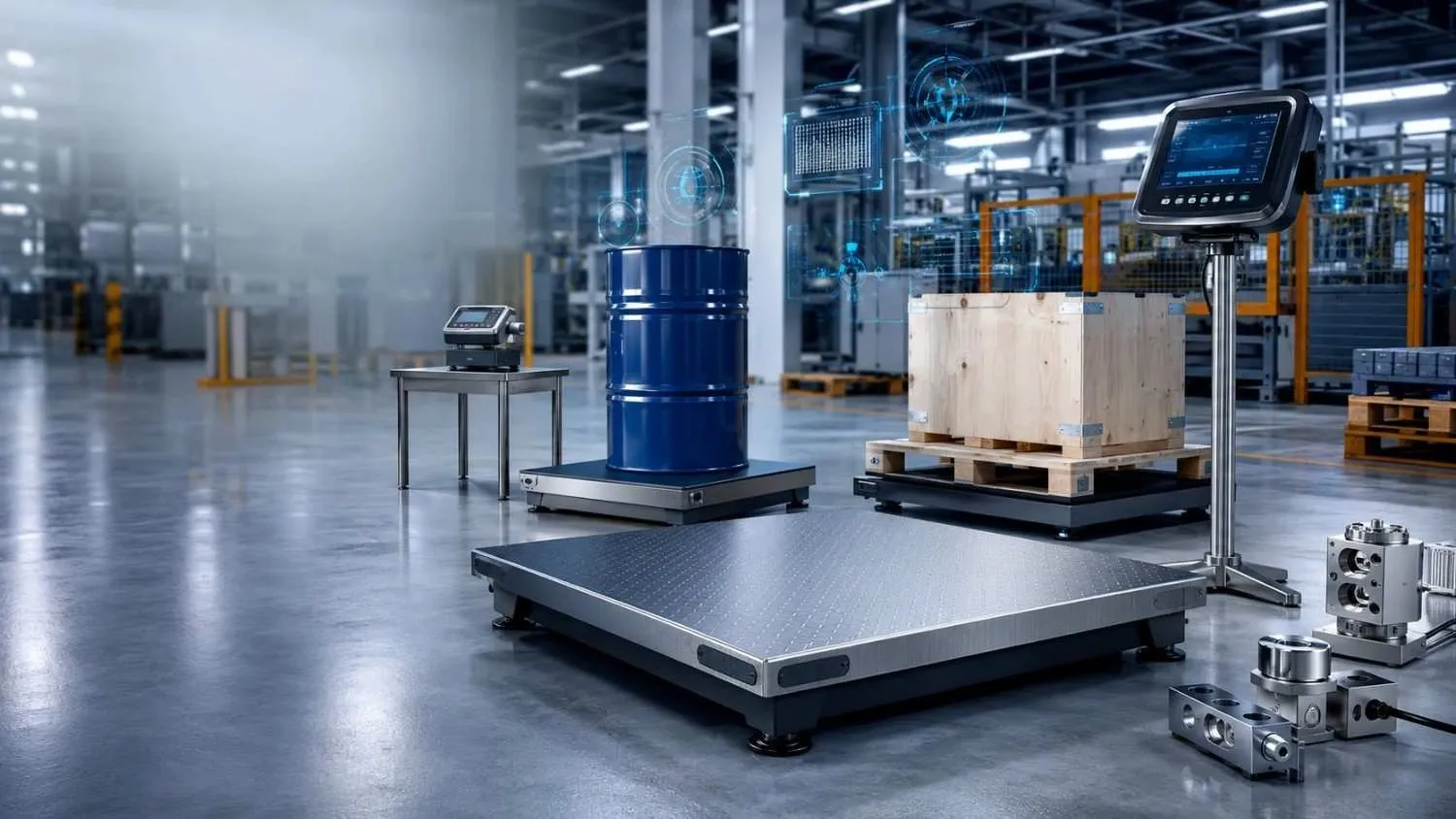
Industrial weighing systems play a crucial role in manufacturing, logistics, warehouses, food processing, pharmaceuticals, construction, chemical industries, and retail operations. Choosing the right industrial scale isn’t just about measuring weight—it’s about improving productivity, ensuring compliance, minimizing waste, and maximizing profitability.
Whether you’re purchasing your first industrial scale or upgrading existing equipment, understanding the essential features can save your business thousands of dollars in operational costs.
If you’re searching for reliable Industrial Weighing Scale Equipment Suppliers Riyadh, knowing what features matter most will help you make an informed investment that delivers long-term value.
Why Choosing the Right Industrial Scale Matters
Industrial weighing equipment is used every day for production, packaging, inventory management, shipping, and quality control. Even minor inaccuracies can result in:
- Product wastage
- Revenue loss
- Regulatory compliance issues
- Customer dissatisfaction
- Increased operational costs
- Production delays
A high-quality industrial scale provides consistent measurements while withstanding demanding industrial environments.
Understanding Different Types of Industrial Scales
Before comparing features, it’s important to know the major categories of industrial scales.
Platform Scales
Ideal for warehouses, logistics companies, manufacturing facilities, and shipping centers.
Best for:
- Heavy cartons
- Bulk materials
- Pallets
- Industrial products
Bench Scales
Designed for smaller weighing tasks.
Suitable for:
- Packaging
- Food processing
- Laboratories
- Retail production
Floor Scales
Floor scales are built for weighing extremely heavy loads and palletized goods.
Industries include:
- Warehousing
- Manufacturing
- Distribution centers
Crane Scales
Used when materials need to be weighed while suspended.
Common industries include:
- Steel fabrication
- Construction
- Shipping yards
- Heavy engineering
Truck Scales
Truck scales measure the gross weight of loaded and unloaded vehicles.
Widely used in:
- Mining
- Cement plants
- Agriculture
- Logistics
- Recycling plants
Top Features to Look for in Industrial Scales
1. High Accuracy
Accuracy is the most important factor.
Even slight deviations can impact:
- Production quality
- Inventory
- Customer billing
- Compliance
Choose scales with:
- High-resolution load cells
- Stable readings
- Automatic calibration support
- Low measurement tolerance
2. Appropriate Capacity
Industrial scales come in different capacities.
Examples include:
- 30 kg
- 60 kg
- 150 kg
- 300 kg
- 500 kg
- 1 Ton
- 3 Ton
- 5 Ton
- 10 Ton
- 20 Ton
Avoid buying equipment that is either too small or excessively oversized for your operations.
3. Rugged Construction
Industrial environments are harsh.
Look for scales made with:
- Stainless steel
- Heavy-duty steel frames
- Powder-coated structures
- Corrosion-resistant materials
Durable construction ensures longer service life and lower maintenance costs.
4. Water and Dust Protection
Factories often expose equipment to:
- Water
- Oil
- Dust
- Chemicals
Choose models with suitable IP ratings such as:
- IP65
- IP66
- IP67
These ratings protect internal electronics and improve reliability.
5. Easy-to-Read Digital Display
Operators should quickly read measurements without confusion.
Modern displays include:
- Large LCD screens
- LED displays
- Backlit screens
- Multiple viewing angles
Clear visibility improves operational efficiency.
6. Fast Stabilization Time
Production environments cannot afford delays.
High-quality industrial scales provide:
- Quick stabilization
- Instant readings
- Minimal waiting time
This significantly improves workflow.
7. Strong Load Cell Technology
Load cells determine weighing accuracy.
Reliable scales use:
- Precision strain gauge load cells
- Alloy steel load cells
- Stainless steel load cells
Premium load cells ensure long-term performance.
8. Overload Protection
Accidental overloading happens frequently.
Look for built-in:
- Mechanical overload protection
- Electronic overload alerts
- Safety stop mechanisms
These features extend equipment lifespan.
9. Connectivity Options
Modern industries rely on digital integration.
Industrial scales should support:
- USB
- RS232
- Ethernet
- Bluetooth
- Wi-Fi
These features simplify data transfer and reporting.
10. ERP and Software Integration
Manufacturing companies increasingly connect weighing systems to business software.
Compatible systems integrate with:
- ERP software
- Warehouse Management Systems
- Inventory software
- Production software
Automation reduces manual errors.
11. Battery Backup
Unexpected power failures shouldn’t interrupt production.
Quality industrial scales include:
- Rechargeable batteries
- Long battery life
- Automatic power-saving modes
Battery backup ensures uninterrupted operation.
12. Multiple Weighing Units
International businesses often require different units.
Useful measurement units include:
- Kilograms
- Pounds
- Grams
- Tons
- Ounces
Flexible unit conversion enhances convenience.
13. Tare Function
The tare function removes container weight from measurements.
Applications include:
- Packaging
- Food processing
- Chemical industries
- Pharmaceuticals
This improves weighing precision.
14. Counting Function
Some industrial scales support piece counting.
Useful for:
- Hardware stores
- Manufacturing
- Electronics
- Spare parts inventory
Counting functions save time and reduce manual effort.
15. Check Weighing
Check weighing verifies whether an item falls within a specified weight range.
Benefits include:
- Quality assurance
- Faster inspections
- Reduced product rejection
- Improved packaging consistency
16. Portability
Not every industrial scale needs permanent installation.
Portable models include:
- Compact platform scales
- Foldable scales
- Battery-operated units
These are ideal for warehouses and field operations.
17. Anti-Slip Platform
Safety is essential.
Look for:
- Textured platforms
- Non-slip surfaces
- Reinforced weighing decks
These reduce workplace accidents.
18. Low Maintenance Requirements
Industrial equipment should require minimal servicing.
Features include:
- Sealed electronics
- Durable sensors
- Replaceable components
- Easy cleaning
Reduced maintenance means lower operating costs.
19. Calibration Support
Regular calibration ensures measurement accuracy.
Look for scales offering:
- Internal calibration
- External calibration
- Calibration reminders
- Easy adjustment procedures
Proper calibration supports compliance and consistent performance.
20. Compliance with Industry Standards
Industrial scales should comply with recognized standards.
Common certifications include:
- ISO standards
- CE certification
- OIML compliance
- Legal-for-trade approvals (where applicable)
Certified equipment provides confidence in performance and regulatory acceptance.
Industry-Specific Applications
Different industries require different types of industrial weighing equipment.
Manufacturing
Manufacturers depend on accurate weighing for:
- Raw material measurement
- Production control
- Finished goods inspection
Warehousing
Warehouse operations require:
- Pallet weighing
- Shipping verification
- Inventory control
Food Industry
Food manufacturers need:
- Hygienic stainless-steel scales
- Washdown capability
- Fast weighing
- Accurate portion control
Pharmaceutical Industry
Pharmaceutical production demands:
- High precision
- Repeatability
- Cleanroom compatibility
- Regulatory compliance
Logistics
Shipping companies rely on industrial scales for:
- Freight billing
- Cargo verification
- Load optimization
Construction
Construction businesses weigh:
- Cement
- Sand
- Steel
- Heavy equipment
Heavy-duty scales improve material management.
Chemical Industry
Chemical manufacturers require:
- Corrosion-resistant materials
- Chemical-resistant platforms
- High-accuracy measurement
Benefits of Investing in High-Quality Industrial Scales
Choosing premium industrial weighing equipment provides long-term advantages.
Increased Accuracy
Precise measurements reduce costly errors.
Improved Productivity
Faster weighing speeds increase operational efficiency.
Lower Maintenance Costs
Durable equipment requires fewer repairs.
Better Compliance
Certified scales help meet industry regulations.
Reduced Product Waste
Accurate weighing minimizes material loss.
Enhanced Customer Satisfaction
Reliable measurements improve product consistency and trust.
Common Mistakes to Avoid
Many businesses purchase industrial scales without considering operational needs.
Avoid these common mistakes:
- Buying based solely on price
- Ignoring environmental conditions
- Selecting insufficient capacity
- Overlooking connectivity features
- Skipping calibration requirements
- Choosing non-certified equipment
- Neglecting future expansion needs
A well-planned purchase saves money and reduces operational risks.
Maintenance Tips for Industrial Scales
To maximize the lifespan of your equipment:
- Clean the scale regularly.
- Keep the platform free from debris.
- Avoid exceeding the maximum capacity.
- Perform routine calibration checks.
- Inspect load cells and cables for wear.
- Protect the scale from excessive moisture and corrosive chemicals.
- Schedule preventive maintenance with qualified technicians.
Consistent maintenance ensures reliable performance and extends equipment life.
How to Choose the Right Supplier
Selecting the right supplier is as important as choosing the right equipment. Consider suppliers that offer:
- A wide range of industrial weighing solutions.
- Genuine, certified products.
- Expert consultation to match equipment with your application.
- Installation and commissioning services.
- Calibration and preventive maintenance.
- Prompt technical support and spare parts availability.
- Warranty coverage and after-sales service.
Working with experienced suppliers helps ensure your weighing systems remain accurate, reliable, and compliant throughout their service life.
Conclusion
Industrial scales are essential tools for businesses that depend on accurate, reliable, and efficient weighing. From high-precision load cells and durable construction to advanced connectivity and software integration, the right features can significantly improve productivity, reduce waste, and support compliance with industry standards.
Before making a purchase, evaluate your operational requirements, environment, capacity needs, and long-term maintenance expectations. Investing in a high-quality weighing solution today can deliver measurable savings and operational benefits for years to come. Whether your business operates in manufacturing, logistics, food processing, pharmaceuticals, or construction, choosing dependable equipment and experienced Industrial Weighing Scale Equipment Suppliers Riyadh will help ensure your operations run smoothly and efficiently.
Frequently Asked Questions
What is the most important feature of an industrial scale?
Accuracy is the most critical feature, as it directly impacts product quality, inventory management, and compliance.
Which industries use industrial weighing scales?
Manufacturing, logistics, warehousing, food processing, pharmaceuticals, construction, mining, agriculture, and chemical industries all rely on industrial weighing equipment.
Why is IP protection important in industrial scales?
IP-rated scales resist dust and water ingress, making them suitable for harsh industrial environments and extending their operational life.
How often should industrial scales be calibrated?
Calibration frequency depends on usage and industry regulations, but regular scheduled calibration is recommended to maintain accuracy and compliance.
Can industrial scales integrate with business software?
Yes. Many modern industrial scales support connectivity through USB, RS232, Ethernet, Bluetooth, or Wi-Fi, enabling integration with ERP, warehouse management, and inventory systems.
Are stainless steel industrial scales better?
Stainless steel scales offer excellent corrosion resistance, hygiene, and durability, making them ideal for food, pharmaceutical, and chemical applications.