

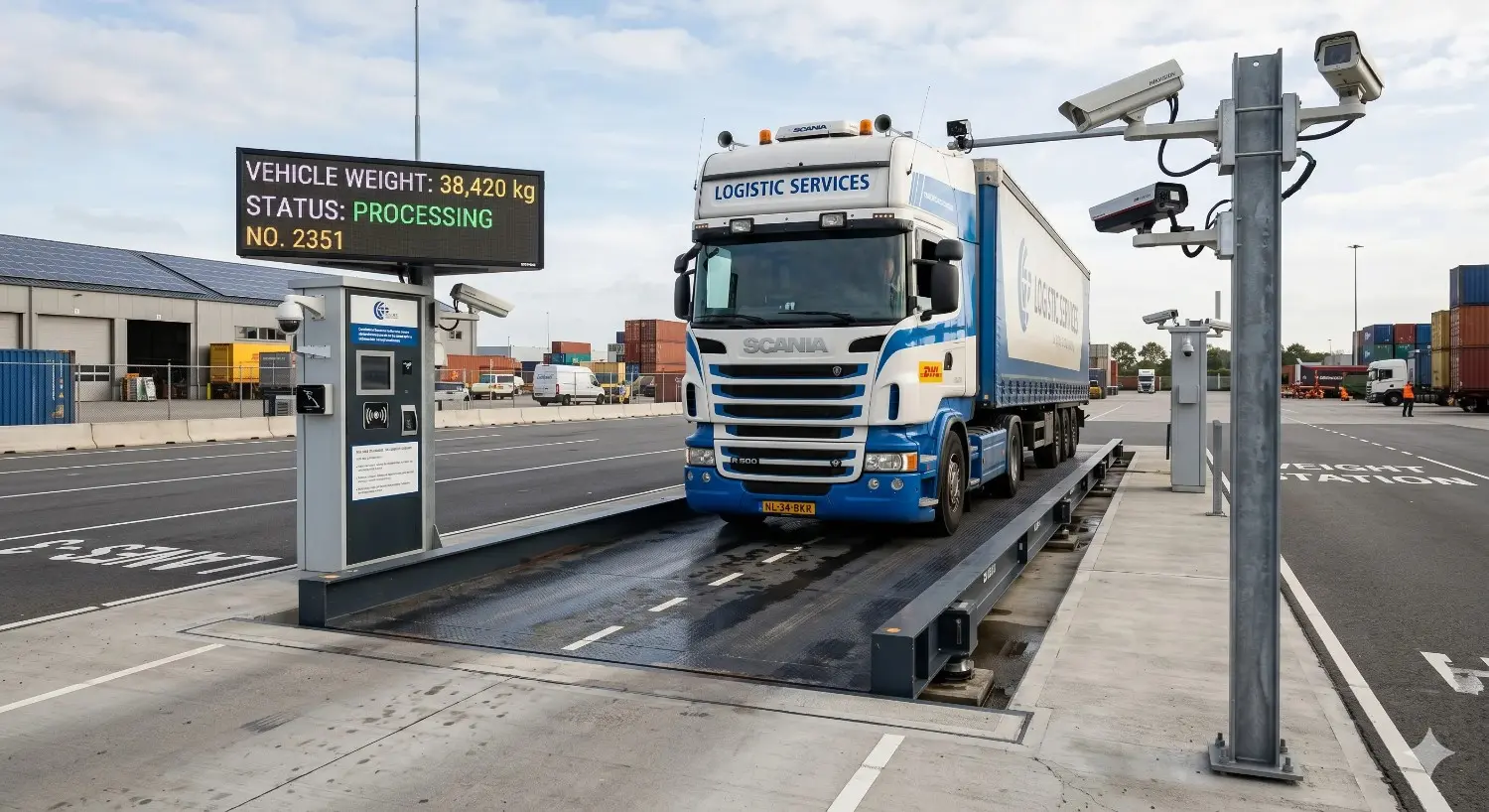
In today’s fast-moving industrial and logistics environment, efficiency, accuracy, and transparency are no longer optional—they are essential. Traditional truck weighing systems, once dependent on manual processes and human intervention, are rapidly being replaced by unmanned truck scale systems. These automated solutions are revolutionizing how businesses handle weighing operations across industries like logistics, mining, construction, and manufacturing.
This blog explores how automation is transforming weighing systems, the benefits of unmanned truck scales, and why businesses are shifting toward this advanced technology to stay competitive.
What is an Unmanned Truck Scale?
An unmanned truck scale, also known as an automated weighbridge, is a system that allows trucks to be weighed without the need for a human operator. It integrates advanced technologies such as:
- RFID (Radio Frequency Identification)
- ANPR (Automatic Number Plate Recognition)
- Sensors and load cells
- Cameras and surveillance systems
- Automated barriers and traffic lights
- ERP and cloud-based software
A truck scale (weighbridge) is traditionally used to measure the weight of heavy vehicles and their loads for trade, compliance, and logistics purposes . With automation, this process becomes faster, more accurate, and fully digital.
Unlike manual systems, unmanned truck scales enable drivers to complete the entire weighing process independently using automated instructions and systems.
How Unmanned Weighbridge Automation Works
Automation transforms a simple weighing platform into a smart, interconnected system.
Step-by-Step Process:
- Vehicle Identification
RFID tags or ANPR cameras automatically identify the truck when it arrives. - Controlled Entry
Boom barriers and traffic lights regulate vehicle movement. - Position Detection
Sensors ensure the truck is properly aligned for accurate weighing. - Weight Capture
Load cells record precise weight data instantly. - Data Processing
Software logs data and integrates it into ERP systems. - Exit Automation
After weighing, barriers open automatically, and the truck exits.
This seamless process eliminates manual interaction and ensures faster operations with minimal errors. Automation systems can even operate continuously without interruption, enabling 24/7 functionality .
Key Features of Unmanned Truck Scale Systems
Modern automated weighbridge systems are equipped with advanced features that enhance operational efficiency:
- RFID & ANPR Integration for vehicle identification
- Real-time Data Capture for instant reporting
- CCTV Surveillance for security and monitoring
- Traffic Management Systems (lights, barriers)
- Cloud & ERP Integration for centralized control
- Anti-Fraud Mechanisms to prevent manipulation
These technologies work together to create a smart weighing ecosystem that ensures transparency and reliability.
Benefits of Truck Scale Automation
1. Increased Efficiency
Automation significantly reduces waiting time and speeds up the weighing process. Trucks can be processed quickly without manual intervention, improving throughput.
Automated systems eliminate manual data entry, reducing delays and improving workflow efficiency .
2. 24/7 Operations
One of the biggest advantages is continuous operation. Unlike traditional systems that depend on staff availability, automated systems run around the clock.
This ensures uninterrupted logistics operations and supports high-volume industries.
3. Improved Accuracy
Human errors such as incorrect data entry or miscalculations are eliminated. Automated systems provide precise and consistent weight measurements.
Automation ensures error-free data capture and enhances trust in the system .
4. Cost Reduction
Businesses can reduce labor costs by eliminating the need for dedicated weighbridge operators. Additionally, automation minimizes costly errors and disputes.
5. Enhanced Security
With surveillance cameras, sensors, and automated controls, unmanned systems prevent fraud, theft, and unauthorized access.
Advanced systems include features like vehicle tracking and tamper-proof data logging .
6. Faster Turnaround Time
Truck turnaround time (TAT) is significantly reduced, allowing more vehicles to be processed daily.
Some systems can handle hundreds to thousands of transactions per day efficiently .
7. Better Data Management
Automated systems store and analyze data in real time, enabling better decision-making.
Integration with ERP systems ensures seamless data flow across business operations.
8. Improved Safety
Drivers no longer need to leave their vehicles during weighing, reducing the risk of accidents and injuries.
Automation also minimizes human interaction, improving overall workplace safety .
Industries Benefiting from Unmanned Truck Scales
Unmanned weighbridge systems are widely used across multiple industries:
Logistics & Warehousing
- Faster loading and dispatch
- Improved supply chain efficiency
Mining & Construction
- Accurate material tracking
- Prevention of overloading fines
Agriculture
- Efficient bulk material handling
- Transparent trade transactions
Manufacturing
- Inventory control
- Seamless integration with production systems
These industries rely heavily on accurate weight measurement, making automation a game-changer.
Challenges of Traditional Weighing Systems
Before automation, traditional weighing systems faced several issues:
- Manual errors in data entry
- Dependency on operators
- Limited operational hours
- Risk of fraud and manipulation
- Slow processing times
These inefficiencies often resulted in financial losses and operational delays.
Automation addresses all these challenges by digitizing and streamlining the entire process.
Role of IoT and AI in Weighbridge Automation
Modern unmanned truck scales are powered by IoT and AI technologies.
IoT Integration
- Real-time monitoring of operations
- Remote access and control
- Predictive maintenance
AI Capabilities
- Vehicle recognition
- Fraud detection
- Data analytics and insights
These technologies enable smarter, more efficient weighing systems that adapt to business needs.
Future Trends in Truck Scale Automation
The future of weighing systems is closely aligned with Industry 4.0. Key trends include:
- Fully autonomous weighbridges
- Cloud-based centralized systems
- Integration with smart logistics platforms
- Advanced analytics for decision-making
- Mobile app-based control systems
Automation will continue to evolve, making weighing systems faster, smarter, and more reliable.
Why Businesses Are Switching to Unmanned Systems
Companies are increasingly adopting unmanned truck scales because they:
- Improve operational efficiency
- Reduce costs
- Enhance accuracy
- Ensure compliance
- Provide real-time insights
In competitive industries, these advantages can significantly impact profitability and growth.
Choosing the Right Automation Solution
When selecting an unmanned truck scale system, businesses should consider:
- System compatibility with existing infrastructure
- Scalability for future expansion
- Integration with ERP and software systems
- Reliability and support services
- Security features
Partnering with an experienced Weighbridge Service Provider Saudi Arabia ensures successful implementation and long-term performance.
Additionally, working with a trusted Weighbridge Service Provider Saudi Arabia helps businesses customize solutions based on industry-specific requirements.
Implementation Strategy for Businesses
To successfully adopt unmanned truck scale systems, businesses should:
- Assess current weighing challenges
- Define automation goals
- Choose the right technology partner
- Train staff and drivers
- Monitor performance and optimize
A structured approach ensures smooth transition and maximum ROI.
Environmental and Sustainability Impact
Automation also contributes to sustainability:
- Reduced fuel consumption due to faster processing
- Lower paper usage through digital records
- Optimized logistics reducing carbon footprint
These benefits align with global sustainability goals and corporate responsibility initiatives.
Conclusion
Unmanned truck scale systems are transforming the weighing industry by introducing speed, accuracy, and intelligence into operations. As industries continue to evolve, automation is no longer a luxury—it is a necessity.
By adopting automated weighbridge solutions, businesses can eliminate inefficiencies, enhance security, and achieve higher productivity. The shift toward automation is not just about technology—it’s about building smarter, more resilient operations for the future.
If your business relies on heavy vehicle weighing, now is the time to embrace automation and stay ahead in the competitive landscape.