

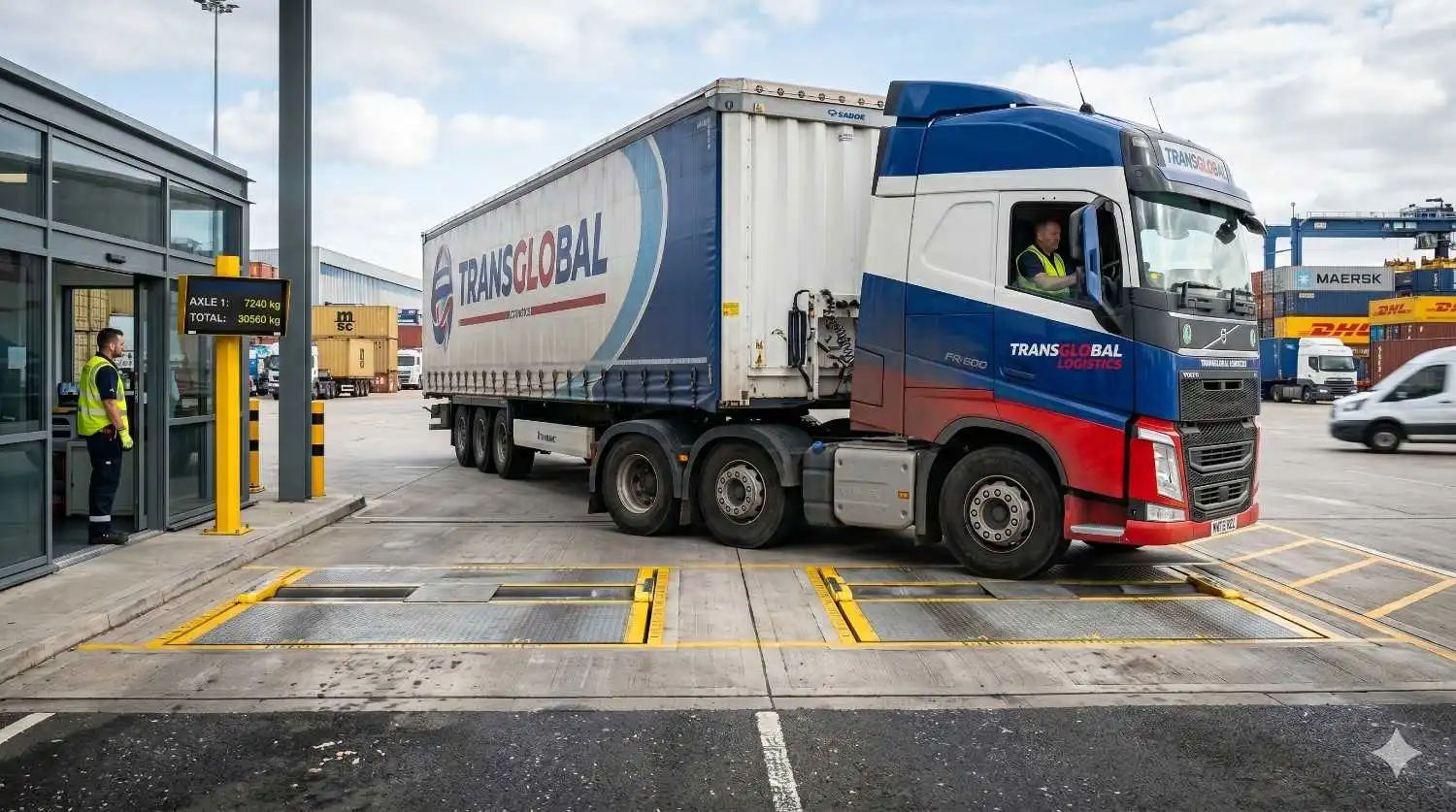
In the modern transport and logistics ecosystem, accuracy and efficiency are critical for maintaining operational success. As industries grow and freight volumes increase, the need for precise vehicle weight measurement has become more important than ever. One of the most reliable solutions to ensure compliance, safety, and efficiency is the axle weighing system.
Axle weighing systems play a crucial role in monitoring vehicle loads, preventing overloading, and optimizing logistics operations. This blog explores the importance, benefits, applications, and future of axle weighing systems, helping businesses understand why this technology is essential for modern transport management.
What is an Axle Weighing System?
An axle weighing system is a specialized weighing solution designed to measure the weight carried by each axle of a vehicle. Unlike traditional weighbridges that measure total vehicle weight, axle weighers provide detailed insights into load distribution.
These systems are widely used in:
- Transport and logistics
- Construction and mining
- Industrial manufacturing
- Ports and shipping yards
- Government regulatory checkpoints
By ensuring that each axle carries the permissible load, businesses can prevent penalties, reduce maintenance costs, and improve safety.
Why Axle Weighing Matters in Transport & Logistics
1. Preventing Overloading
Overloading is one of the biggest challenges in the transportation industry. It not only leads to legal penalties but also damages roads and vehicles.
Axle weighing systems help detect uneven load distribution and prevent overloading, ensuring compliance with transport regulations.
2. Enhancing Road Safety
Improper weight distribution can lead to accidents, especially when vehicles are overloaded on specific axles. Axle weighing ensures balanced loads, improving vehicle stability and reducing accident risks.
3. Reducing Vehicle Wear and Tear
Excess weight on specific axles increases stress on tires, suspension, and braking systems. By maintaining proper load distribution, businesses can extend vehicle lifespan and reduce maintenance costs.
4. Ensuring Regulatory Compliance
Governments worldwide enforce strict axle load regulations. Non-compliance can result in heavy fines and operational disruptions.
Axle weighing systems ensure vehicles meet legal requirements before hitting the road.
How Axle Weighing Systems Work
Axle weighing systems use advanced sensors and load cells to measure weight accurately.
Key Components:
- Weigh Pads or Platforms – Installed on the ground or embedded in the road
- Load Cells – Measure the force exerted by each axle
- Indicator Systems – Display weight data
- Software Integration – Stores and analyzes data
Process:
- The vehicle moves over the weighing pads
- Each axle is weighed individually
- Data is recorded and displayed in real time
- Reports are generated for analysis and compliance
These systems can be static or dynamic, depending on operational needs.
Types of Axle Weighing Systems
1. Static Axle Weighing Systems
Vehicles stop on the weigh pads for measurement. These systems provide high accuracy and are ideal for industrial use.
2. Dynamic Axle Weighing Systems (Weigh-in-Motion)
Vehicles are weighed while moving, making them suitable for highways and toll systems.
3. Portable Axle Weighing Systems
Lightweight and easy to transport, these systems are used for temporary or remote locations.
Key Benefits of Axle Weighing Systems
1. Improved Operational Efficiency
Axle weighing systems streamline logistics operations by providing quick and accurate weight measurements.
2. Cost Savings
By preventing overloading and reducing vehicle damage, businesses can significantly cut operational costs.
3. Data-Driven Decision Making
Modern systems provide real-time data and analytics, helping businesses optimize load management and logistics planning.
4. Faster Turnaround Time
Quick weighing processes reduce delays and improve vehicle turnaround times.
5. Scalability and Flexibility
Axle weighing systems can be customized to meet specific industry requirements.
Applications in Different Industries
Logistics & Transportation
- Load optimization
- Fleet management
- Compliance monitoring
Construction
- Material load tracking
- Equipment safety
Mining
- Accurate measurement of extracted materials
- Prevention of overloading
Agriculture
- Efficient transport of produce
- Accurate weight measurement for trade
Ports & Shipping
- Container weight verification
- Cargo management
Challenges Without Axle Weighing Systems
Businesses that do not use axle weighing systems often face:
- Frequent overloading penalties
- Increased vehicle maintenance costs
- Inefficient load distribution
- Higher accident risks
- Poor data management
These challenges can significantly impact profitability and operational efficiency.
Role of Technology in Modern Axle Weighing
Modern axle weighing systems integrate advanced technologies such as:
IoT Integration
- Real-time monitoring
- Remote access
- Predictive maintenance
Cloud-Based Systems
- Centralized data storage
- Easy access to reports
Automation
- Reduced manual intervention
- Faster processing
AI & Analytics
- Load optimization
- Fraud detection
These technologies make axle weighing systems smarter and more efficient.
Future Trends in Axle Weighing Systems
The future of axle weighing is driven by innovation and digital transformation.
Emerging Trends:
- Smart weigh-in-motion systems
- AI-powered analytics
- Integration with smart logistics platforms
- Mobile app-based monitoring
- Fully automated weighing systems
These advancements will further enhance efficiency and accuracy in logistics operations.
Why Businesses Need an Affordable Weighing Solution
In today’s competitive market, cost-effective solutions are essential. An Affordable Weighing Solution enables businesses to access advanced technology without heavy investment.
By adopting an Affordable Weighing Solution, companies can improve efficiency, ensure compliance, and reduce operational costs without compromising on quality.
Choosing the Right Axle Weighing System
When selecting an axle weighing system, consider the following factors:
- Accuracy and reliability
- Ease of installation
- Integration capabilities
- Scalability
- Maintenance and support
Partnering with an experienced provider ensures long-term success and optimal performance.
Implementation Strategy
To successfully implement axle weighing systems:
- Analyze current challenges
- Define operational requirements
- Select the right system
- Train staff
- Monitor performance
A well-planned implementation ensures maximum return on investment.
Environmental Benefits
Axle weighing systems also contribute to sustainability:
- Reduced fuel consumption
- Lower emissions
- Efficient resource utilization
These benefits align with global environmental goals.
Conclusion
Axle weighing systems are an essential component of modern transport and logistics operations. They ensure safety, compliance, and efficiency while reducing costs and improving productivity.
As industries continue to evolve, adopting advanced weighing solutions is no longer optional—it is a necessity. Businesses that invest in axle weighing systems gain a competitive advantage by optimizing operations and ensuring long-term sustainability.
By choosing the right system and embracing innovation, companies can transform their logistics operations and achieve greater success in today’s dynamic market.