

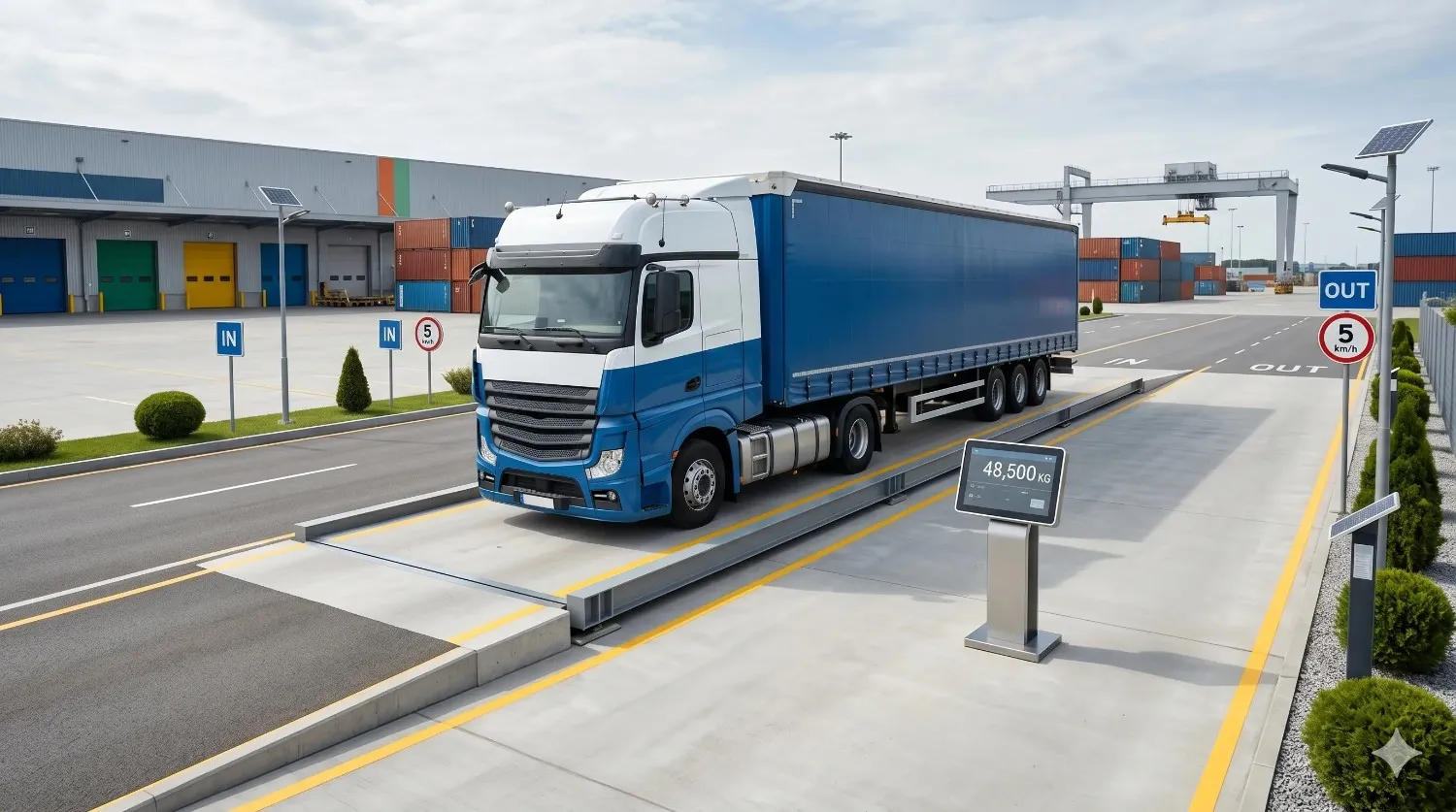
Choosing the right weighing system is crucial for businesses that depend on accurate measurement of heavy vehicles and goods. Whether you are in logistics, construction, mining, or agriculture, selecting between a truck scale and a weighbridge can directly impact your operational efficiency and profitability.
Many people assume that truck scales and weighbridges are the same—but there are subtle differences in usage, terminology, and functionality that can influence your decision.
In this detailed guide, we’ll compare truck scales vs weighbridges, explore their features, benefits, and help you determine which option is best suited for your business.
What is a Truck Scale?
A truck scale is a large industrial weighing device used to measure the weight of trucks, trailers, and other heavy vehicles. It typically consists of a flat platform with load cells that calculate the vehicle’s weight when it is driven onto the scale.
Truck scales are commonly used in:
- Freight and logistics companies
- Waste management facilities
- Agricultural operations
- Industrial plants
Truck scales are often associated with modern digital systems and automation, making them a popular choice in technologically advanced environments.
What is a Weighbridge?
A weighbridge is essentially the same type of system as a truck scale but is more commonly used in regions like the UK, India, and the Middle East. The term “weighbridge” refers to the entire weighing structure, including the platform, load cells, and indicator system.
Weighbridges are widely used in:
- Construction sites
- Mining industries
- Manufacturing plants
- Ports and warehouses
In simple terms, a truck scale and a weighbridge perform the same core function—measuring vehicle weight—but differ mainly in terminology and sometimes in design preferences.
Truck Scale vs Weighbridge: Key Differences
Although they are similar, there are a few distinctions that can influence your choice.
1. Terminology and Regional Usage
- Truck Scale: Common in the United States
- Weighbridge: Common in the UK, India, and other regions
The difference is largely linguistic rather than functional.
2. Design and Structure
Truck scales often emphasize modular and portable designs, while weighbridges may include more permanent installations like pit or pitless configurations.
3. Installation Type
- Truck scales are often modular and easier to install
- Weighbridges may require more extensive civil work
4. Technology Integration
Modern truck scales are typically equipped with advanced software systems, automation, and digital interfaces. However, modern weighbridges are also evolving and now include similar smart technologies as part of advanced Industrial Weighing Systems used across industries.
5. Usage Environment
- Truck scales are often used in logistics and transportation hubs
- Weighbridges are widely used in heavy industries like mining and construction
Types of Truck Scales and Weighbridges
Understanding the different types can help you make a better decision.
1. Pit Mounted Systems
Installed flush with the ground, allowing easy vehicle movement.
Best for:
- Limited space areas
- High-traffic environments
2. Pitless Systems
Installed above ground with ramps for access.
Best for:
- Easy maintenance
- Lower installation costs
3. Portable Systems
Temporary or movable weighing solutions.
Best for:
- Remote locations
- Short-term projects
4. Axle Scales
Measure individual axle weights instead of total vehicle weight.
Best for:
- Compliance checks
- Road safety
Advantages of Truck Scales
Truck scales offer several benefits that make them ideal for modern businesses:
1. High Accuracy
They provide precise weight measurements, ensuring transparency and reliability.
2. Automation
Modern truck scales include automated systems for faster operations and reduced manual work.
3. Easy Integration
They can be integrated with ERP and logistics systems for better data management.
4. Scalability
Truck scales can be expanded or upgraded as business needs grow.
5. Reduced Operational Costs
Accurate measurements help avoid overloading fines and optimize fuel usage.
Advantages of Weighbridges
Weighbridges remain a preferred choice in many industries due to their robustness and reliability.
1. Durability
Weighbridges are designed to handle heavy loads and harsh environments.
2. Long-Term Investment
They offer excellent longevity, making them cost-effective over time.
3. Versatility
Suitable for a wide range of industries including mining, construction, and agriculture.
4. Compliance Assurance
Helps businesses meet legal weight regulations and avoid penalties.
5. Data Tracking
Modern weighbridges support digital systems and reporting, making them part of comprehensive Industrial Weighing Systems used for operational efficiency.
Which is Better for Your Business?
The answer depends on your specific needs. Let’s break it down:
Choose a Truck Scale If:
- You need a modern, automated system
- Your operations require quick installation
- You want integration with digital systems
- Your business is focused on logistics or transportation
Choose a Weighbridge If:
- You need a permanent, heavy-duty solution
- Your business operates in construction or mining
- You require long-term durability
- You have sufficient space for installation
Factors to Consider Before Choosing
1. Business Type
Different industries have different requirements. Logistics companies may prefer truck scales, while mining industries may rely on weighbridges.
2. Budget
Consider both initial investment and long-term maintenance costs.
3. Space Availability
Pit weighbridges require less space, while pitless systems need more room.
4. Load Capacity
Ensure the system can handle your maximum vehicle weight.
5. Maintenance Requirements
Choose a system that is easy to maintain and service.
6. Technology Needs
If you need automation, reporting, and integration, opt for advanced systems.
Common Industries That Use These Systems
Both truck scales and weighbridges are used across various sectors:
- Logistics and transportation
- Construction and infrastructure
- Mining and quarrying
- Agriculture
- Waste management
- Manufacturing
These industries rely heavily on accurate weight measurement for smooth operations.
Installation and Setup
Truck Scale Installation
- Faster setup
- Minimal civil work
- Modular design
Weighbridge Installation
- Requires foundation work
- Longer installation time
- More permanent structure
Maintenance Tips
To ensure long-term performance:
- Clean the platform regularly
- Inspect load cells and cables
- Calibrate periodically
- Avoid overloading
- Check for water accumulation
Regular maintenance ensures accuracy and extends the lifespan of your system.
Future Trends in Weighing Systems
The weighing industry is evolving rapidly with new technologies:
1. IoT Integration
Allows real-time monitoring and remote access.
2. Cloud-Based Data
Enables businesses to access data from anywhere.
3. AI Analytics
Helps optimize logistics and detect anomalies.
4. Automation
Reduces manual intervention and improves efficiency.
These innovations are transforming how businesses use weighing systems for better performance.
Final Verdict
When it comes to truck scale vs weighbridge, there is no one-size-fits-all answer. Both systems offer similar functionality but cater to different business needs.
- Truck scales are ideal for modern, fast-paced operations
- Weighbridges are perfect for heavy-duty, long-term use
Understanding your operational requirements, budget, and space constraints will help you make the right choice.
Conclusion
Selecting the right weighing system is a strategic decision that can impact your business efficiency, compliance, and profitability. Whether you choose a truck scale or a weighbridge, investing in a high-quality system ensures accurate measurements, streamlined operations, and long-term success.
Take the time to evaluate your business needs and choose a solution that aligns with your goals. With the right system in place, you can improve productivity, reduce costs, and maintain compliance with ease.