

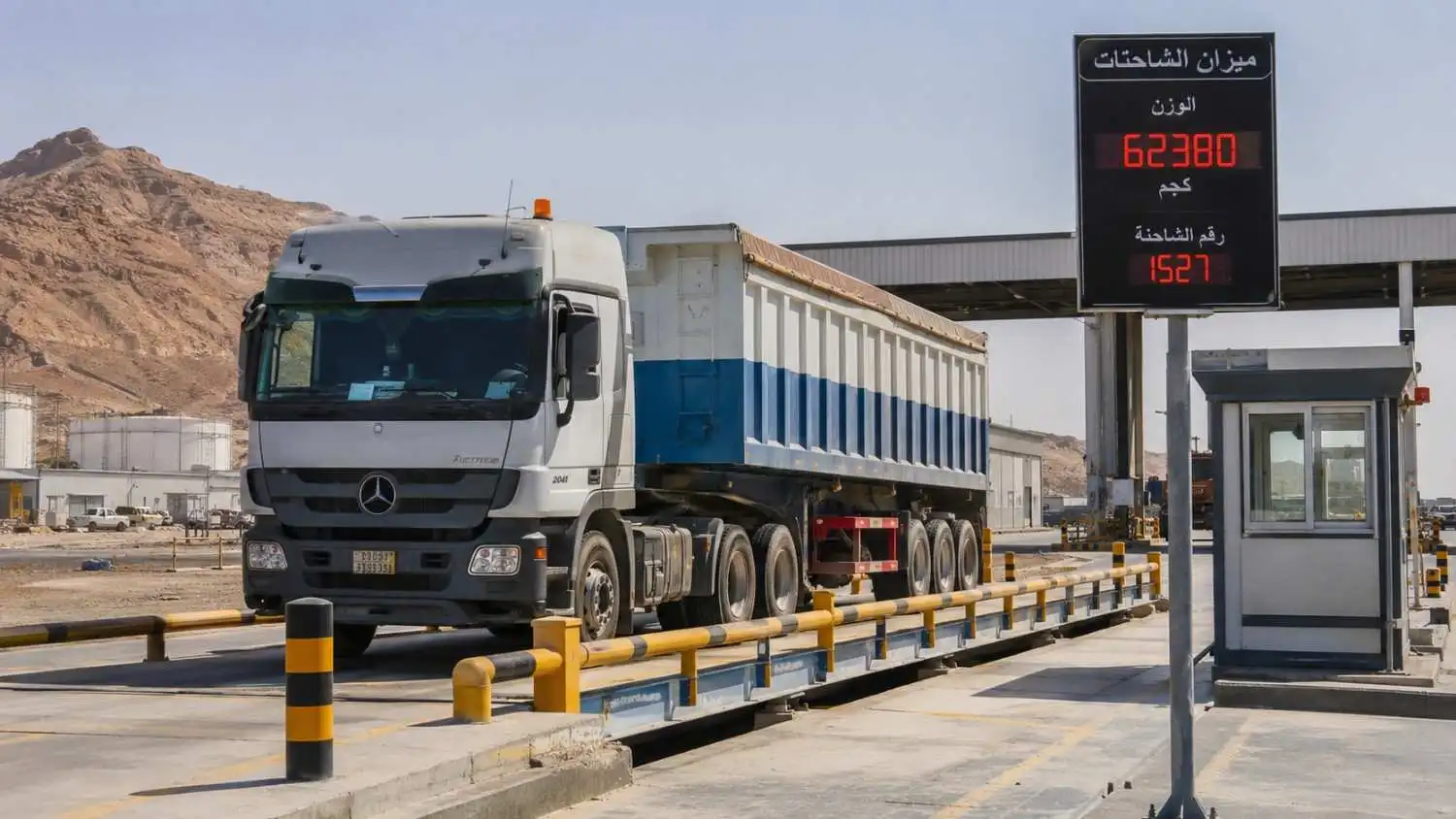
In today’s fast-paced industrial and logistics environment, accurate weight measurement plays a crucial role in ensuring operational efficiency, regulatory compliance, and profitability. Across Saudi Arabia, industries such as transportation, logistics, construction, mining, agriculture, manufacturing, and oil & gas rely heavily on weighbridge systems to monitor vehicle loads and manage inventory accurately.
As the Kingdom continues to expand its infrastructure and industrial sectors under Vision 2030, the demand for advanced weighbridge solutions has grown significantly. Whether you’re managing a logistics fleet, operating a manufacturing facility, or overseeing a construction project, understanding weighbridge systems is essential for optimizing operations and avoiding costly errors.
This comprehensive guide explores everything you need to know about weighbridge systems in Saudi Arabia, including their types, benefits, applications, installation requirements, maintenance practices, and future trends.
What is a Weighbridge System?
A weighbridge, commonly known as a truck scale, is a large industrial weighing platform used to determine the weight of vehicles, both loaded and unloaded. The difference between the two measurements provides the net weight of the cargo being transported.
Weighbridge systems are designed to handle heavy loads ranging from a few tons to hundreds of tons, making them indispensable in industries where bulk materials are moved regularly.
A modern weighbridge system typically consists of:
- Weighbridge platform
- Load cells
- Junction boxes
- Indicator/display unit
- Weighing software
- Data management system
- Security and automation features
The collected weight data helps businesses improve operational efficiency, reduce losses, and maintain accurate records.
Importance of Weighbridge Systems in Saudi Arabia
Saudi Arabia’s strategic position as a global logistics hub has increased the need for precise vehicle weighing solutions.
Several factors contribute to the growing demand:
Expanding Logistics Sector
The Kingdom is investing heavily in logistics infrastructure, ports, transportation networks, and industrial zones. Accurate weight measurement ensures smooth movement of goods while complying with transportation regulations.
Construction Boom
Major projects such as NEOM, Red Sea Global, and infrastructure developments require large quantities of construction materials. Weighbridges help monitor incoming and outgoing loads accurately.
Mining and Quarry Operations
Saudi Arabia possesses significant mineral resources. Mining operations rely on weighbridges to track production and transportation volumes.
Industrial Manufacturing
Factories handling raw materials and finished products use weighbridge systems for inventory management and quality control.
Regulatory Compliance
Government regulations regarding vehicle load limits make weighbridge systems essential for avoiding penalties and maintaining road safety.
How Does a Weighbridge Work?
The working principle of a weighbridge is relatively simple but highly precise.
Step 1: Vehicle Enters the Platform
A truck drives onto the weighbridge platform.
Step 2: Load Cells Measure Weight
Load cells installed beneath the platform convert the mechanical force exerted by the vehicle into electrical signals.
Step 3: Signal Processing
The signals are transferred to the weighing indicator through junction boxes.
Step 4: Weight Display
The indicator processes the information and displays the vehicle’s weight.
Step 5: Data Recording
Modern systems automatically store weight records in software databases for future analysis and reporting.
This automated process minimizes human error and improves operational transparency.
Main Components of a Weighbridge System
Understanding the core components helps businesses choose the right system.
1. Weighbridge Platform
The platform is the structural foundation where vehicles are weighed.
Common materials include:
- Steel
- Concrete
- Steel-concrete hybrid structures
The platform must withstand harsh environmental conditions and heavy traffic.
2. Load Cells
Load cells are the heart of the weighing system.
Types include:
- Analog load cells
- Digital load cells
- Compression load cells
- Shear beam load cells
Digital load cells are becoming increasingly popular due to their superior accuracy and diagnostics capabilities.
3. Weight Indicator
The indicator displays real-time weight readings and communicates with software systems.
Features often include:
- High-resolution displays
- Data storage
- Multiple communication ports
- Network connectivity
4. Junction Box
The junction box combines signals from multiple load cells and ensures stable performance.
5. Weighbridge Software
Modern software enables:
- Data collection
- Vehicle tracking
- Reporting
- Integration with ERP systems
- Inventory management
Types of Weighbridge Systems
Different industries require different weighbridge configurations.
Pit-Mounted Weighbridge
In this design, the platform is installed at ground level.
Advantages
- Requires less surrounding space
- Easy vehicle access
- Suitable for confined locations
Applications
- Industrial plants
- Urban facilities
- Logistics centers
Pitless Weighbridge
The platform is installed above ground with ramps on both sides.
Advantages
- Lower construction cost
- Easier maintenance
- Better drainage
Applications
- Mining operations
- Construction sites
- Agricultural facilities
Portable Weighbridge
Portable systems provide flexibility for temporary projects.
Advantages
- Easy transportation
- Quick installation
- Cost-effective for short-term use
Applications
- Temporary construction projects
- Mining sites
- Remote locations
Axle Weighbridge
Designed to measure individual axle loads.
Benefits
- Prevents axle overload
- Improves road safety
- Supports regulatory compliance
Industries Using Weighbridge Systems in Saudi Arabia
Logistics and Transportation
Fleet operators use weighbridges to:
- Prevent overloading
- Improve fuel efficiency
- Ensure compliance with regulations
Construction Industry
Construction companies weigh:
- Sand
- Cement
- Aggregates
- Steel materials
Accurate measurements reduce material wastage and improve project planning.
Mining Industry
Mining operations require precise weight measurement for:
- Ore transportation
- Production tracking
- Revenue calculation
Agriculture
Agricultural businesses use weighbridges for:
- Grain weighing
- Livestock transportation
- Fertilizer management
Waste Management
Waste processing facilities depend on weighbridges to:
- Measure incoming waste
- Track disposal volumes
- Generate accurate billing
Oil and Gas Sector
Saudi Arabia’s oil and gas industry uses weighbridge systems for:
- Equipment transportation
- Material management
- Operational control
Benefits of Installing a Modern Weighbridge System
Improved Accuracy
Advanced load cell technology delivers highly precise measurements, reducing costly errors.
Enhanced Productivity
Automated weighing processes minimize delays and increase vehicle throughput.
Better Inventory Management
Accurate weight data improves stock control and inventory planning.
Fraud Prevention
Digital weighbridge systems help prevent manipulation and unauthorized transactions.
Regulatory Compliance
Businesses can comply with transportation regulations and avoid penalties.
Data-Driven Decision Making
Real-time analytics enable managers to optimize operations and improve efficiency.
Factors to Consider When Choosing a Weighbridge
Capacity Requirements
Determine the maximum vehicle weight your facility handles.
Common capacities include:
- 40 tons
- 60 tons
- 80 tons
- 100 tons
- 120 tons
Platform Size
The weighbridge length should accommodate the largest vehicles expected on-site.
Typical sizes:
- 12 meters
- 16 meters
- 18 meters
- 24 meters
Environmental Conditions
Saudi Arabia’s climate requires durable equipment capable of handling:
- Extreme heat
- Sandstorms
- Dust exposure
- Corrosion risks
Accuracy Standards
Select systems that meet international weighing standards and certifications.
Software Integration
Choose a solution that integrates seamlessly with existing ERP and management systems.
Weighbridge Installation Process
Proper installation is essential for long-term performance.
Site Assessment
Experts evaluate:
- Ground conditions
- Traffic flow
- Drainage requirements
- Utility access
Civil Foundation Work
A stable foundation ensures measurement accuracy and structural integrity.
Platform Installation
The weighbridge structure is positioned and secured according to engineering specifications.
Load Cell Installation
Load cells are carefully aligned and calibrated.
Electrical Connections
Indicators, software, and communication systems are configured.
Calibration and Testing
The system undergoes comprehensive testing before becoming operational.
Maintenance Best Practices
Regular maintenance extends equipment lifespan and maintains accuracy.
Routine Cleaning
Remove:
- Dust
- Debris
- Mud
- Sand accumulation
Load Cell Inspection
Inspect load cells for:
- Physical damage
- Corrosion
- Cable issues
Calibration Checks
Periodic calibration ensures measurement accuracy.
Software Updates
Keep weighing software updated to improve performance and cybersecurity.
Professional Servicing
Schedule annual inspections by qualified technicians.
Automation and Smart Weighbridge Technology
Modern weighbridge systems have evolved beyond simple weight measurement.
Advanced technologies now include:
RFID Integration
Automatically identifies vehicles entering the facility.
ANPR Cameras
Automatic Number Plate Recognition improves security and automation.
Cloud-Based Monitoring
Managers can access weight data remotely from any location.
Mobile Applications
Real-time reporting through smartphones and tablets.
IoT Connectivity
Internet of Things technology enables predictive maintenance and system monitoring.
These innovations are transforming industrial operations across Saudi Arabia.
Common Challenges and Solutions
Environmental Conditions
Challenge
Dust and extreme temperatures can affect performance.
Solution
Use weather-resistant components and conduct regular maintenance.
Overloading
Challenge
Excessive loads may damage equipment.
Solution
Data Errors
Install overload protection systems.
Challenge
Manual data entry increases mistakes.
Solution
Implement automated data capture and management systems.
Future of Weighbridge Systems in Saudi Arabia
The future of weighbridge technology is closely linked to digital transformation initiatives across the Kingdom.
Emerging trends include:
- AI-powered analytics
- Cloud-based weighing platforms
- Remote diagnostics
- Smart logistics integration
- Fully automated weighing stations
- Real-time fleet monitoring
As industrial sectors continue to modernize, businesses will increasingly invest in advanced Weighing Solutions In Saudi Arabia to improve efficiency, compliance, and profitability.
Conclusion
Weighbridge systems have become a critical component of modern industrial operations in Saudi Arabia. From logistics and transportation to mining, construction, agriculture, and manufacturing, accurate vehicle weighing helps organizations streamline operations, improve productivity, and maintain compliance with regulations.
Investing in a high-quality weighbridge system not only ensures precise measurements but also provides valuable operational insights that support smarter business decisions. As technology advances, smart and automated weighbridge solutions will continue to play a vital role in Saudi Arabia’s industrial growth and Vision 2030 development goals.
Organizations that adopt modern weighbridge technology today will be better positioned to achieve operational excellence, reduce costs, and remain competitive in the rapidly evolving marketplace.