
Wheel and Axle Weighing
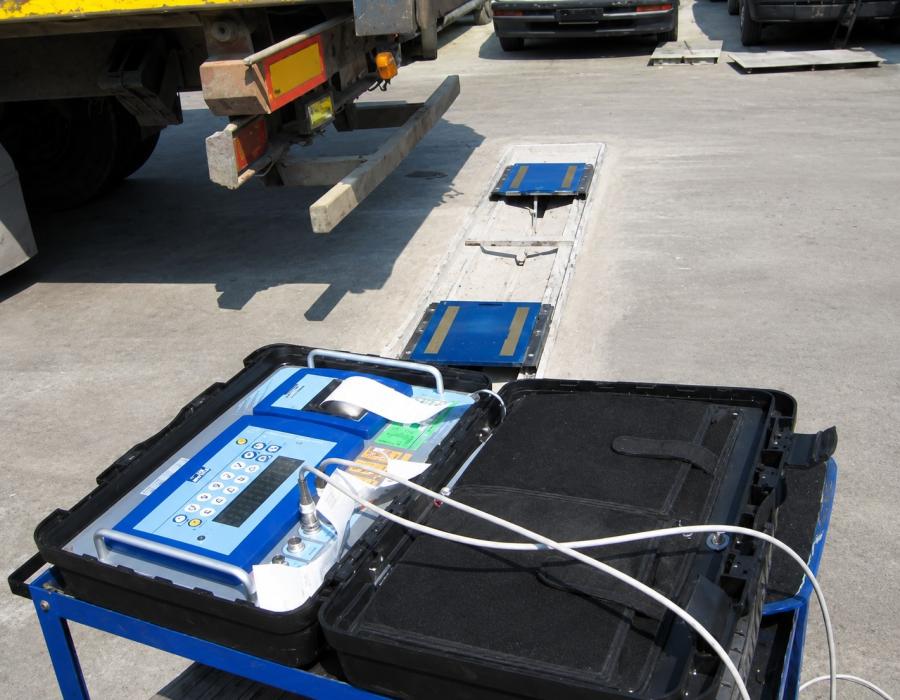
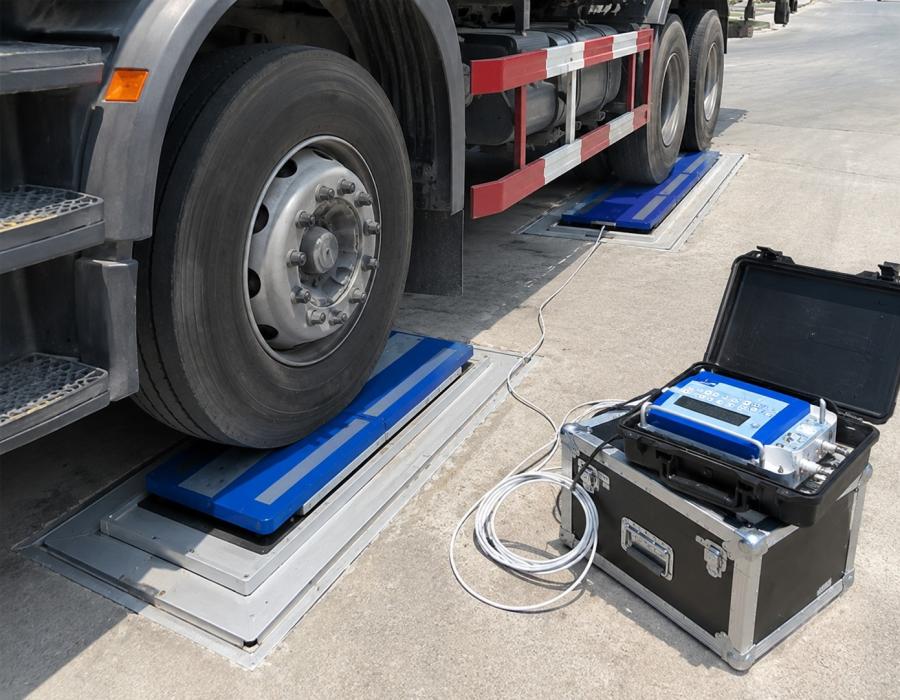
Portable Wheel and Axle Weighing for Vehicle Load Verification
Wheel and axle weighing systems provide a practical solution for measuring individual wheel loads, axle weights, and total vehicle weight without the need for a full-size weighbridge installation. These systems are commonly used for overload prevention, compliance checks, fleet management, temporary weighing operations, and vehicle weight verification across industrial and transportation environments.
Designed for portability and ease of deployment, wheel and axle weighing systems can be used at fixed sites or moved between locations as operational requirements change.
How Wheel and Axle Weighing Works
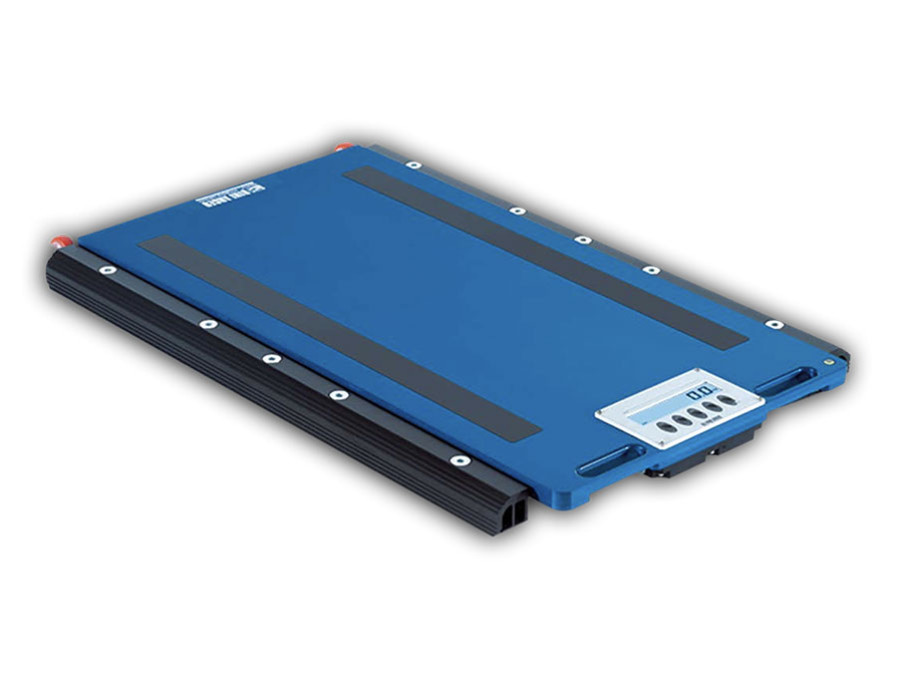
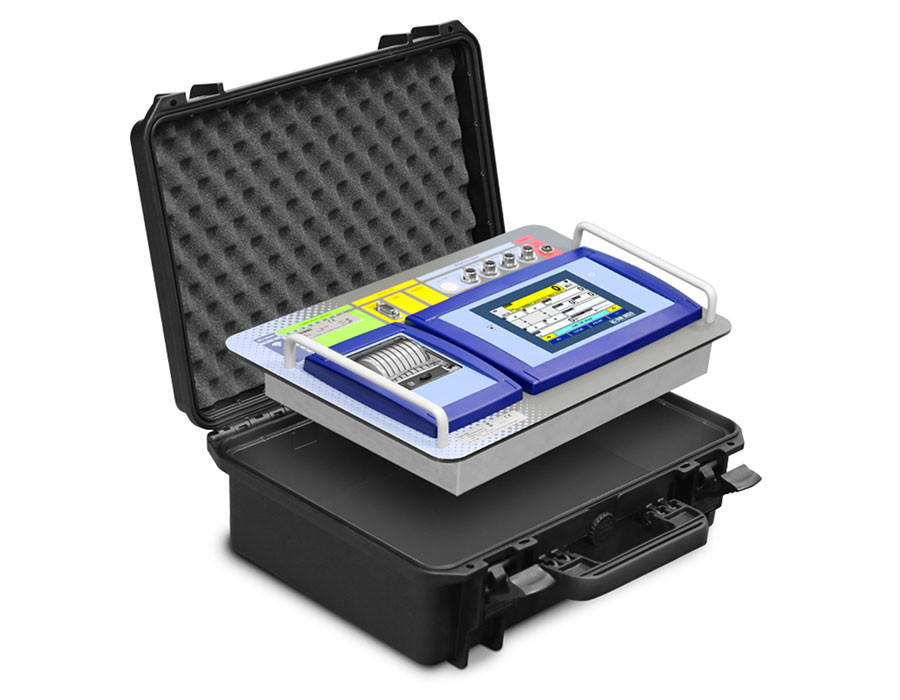
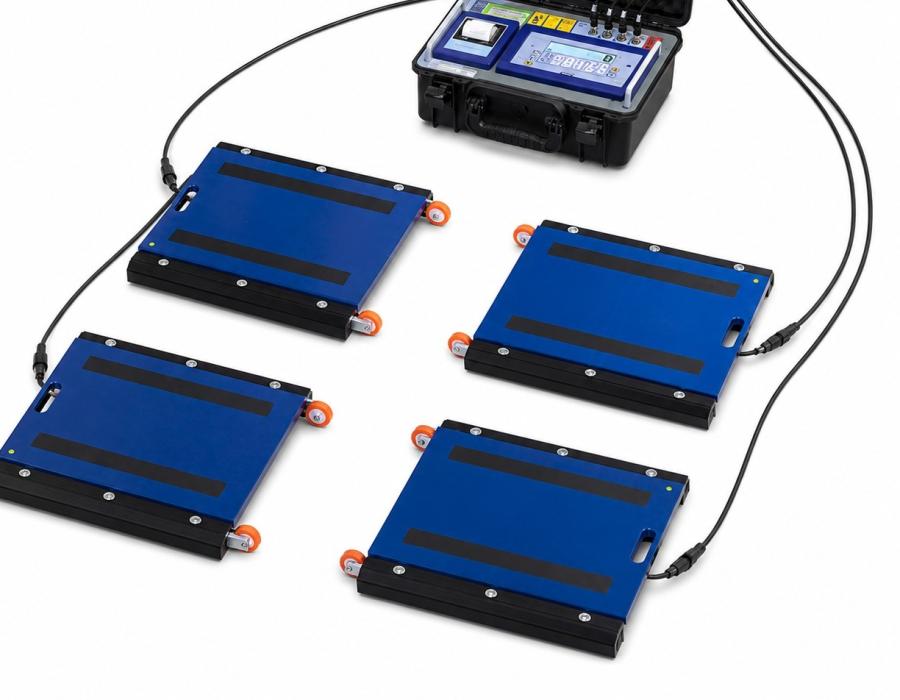
Each weighing platform is positioned under a wheel or axle position and contains a load cell that measures the force applied at that point. A connected weighing indicator reads the measurement from each platform and, where multiple platforms are used, combines the readings to calculate the vehicle's total weight.
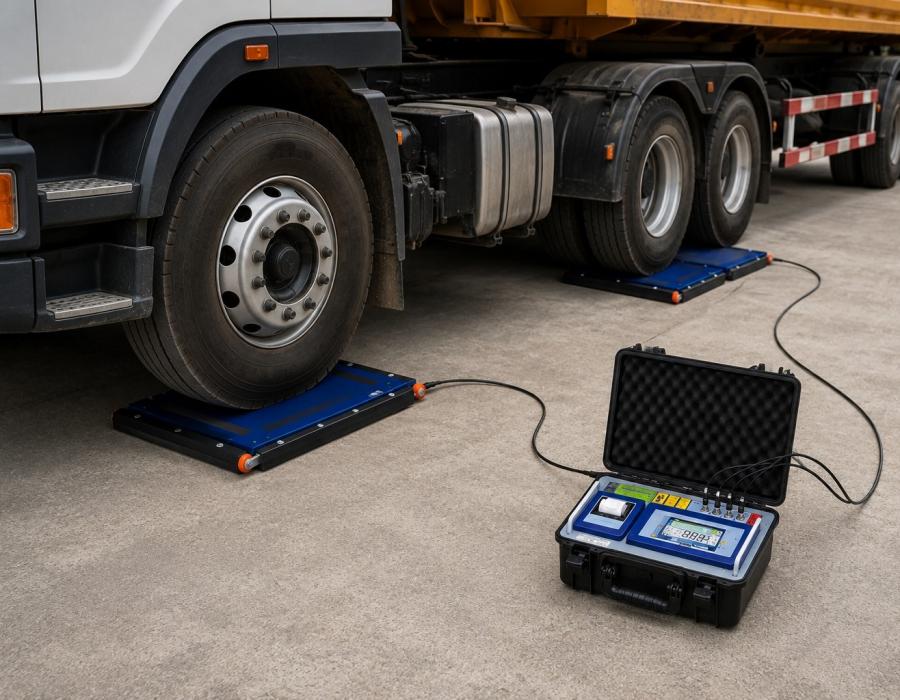
- Platforms are positioned under each wheel or axle position, in line with the vehicle's approach path.
- The vehicle is driven onto the platforms, either coming to a stop (static weighing) or passing over at a controlled low speed (in-motion weighing).
- Load cells inside each platform measure the force applied at that wheel or axle.
- The weighing indicator reads and combines the platform measurements to display individual axle loads and, where the full vehicle is covered, total vehicle weight.
System Capabilities and Specifications
Platform Arrangement
| Configuration | Platform Arrangement | Suitable Application | Measurement |
|---|---|---|---|
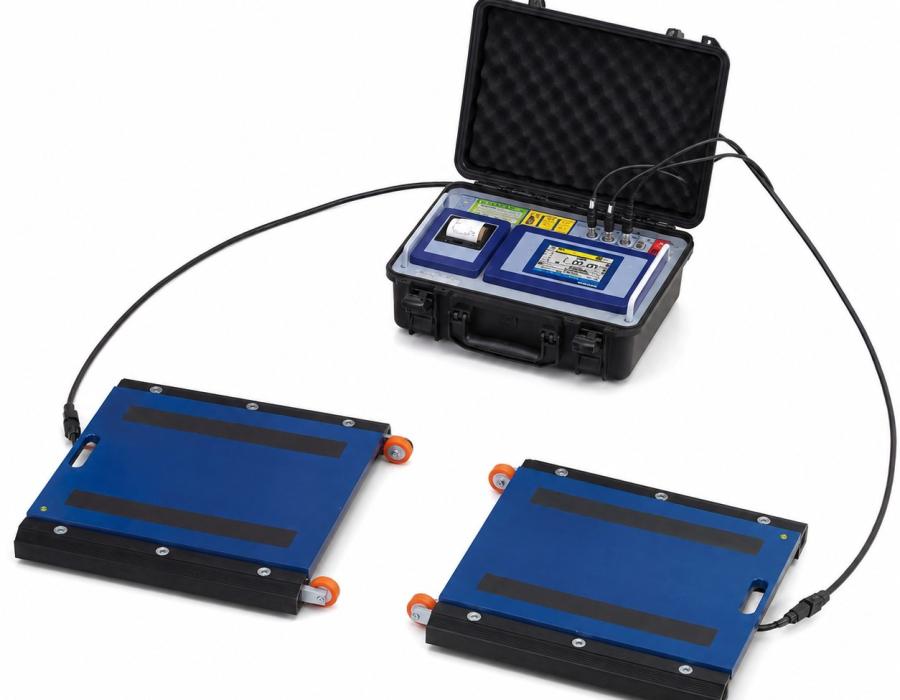
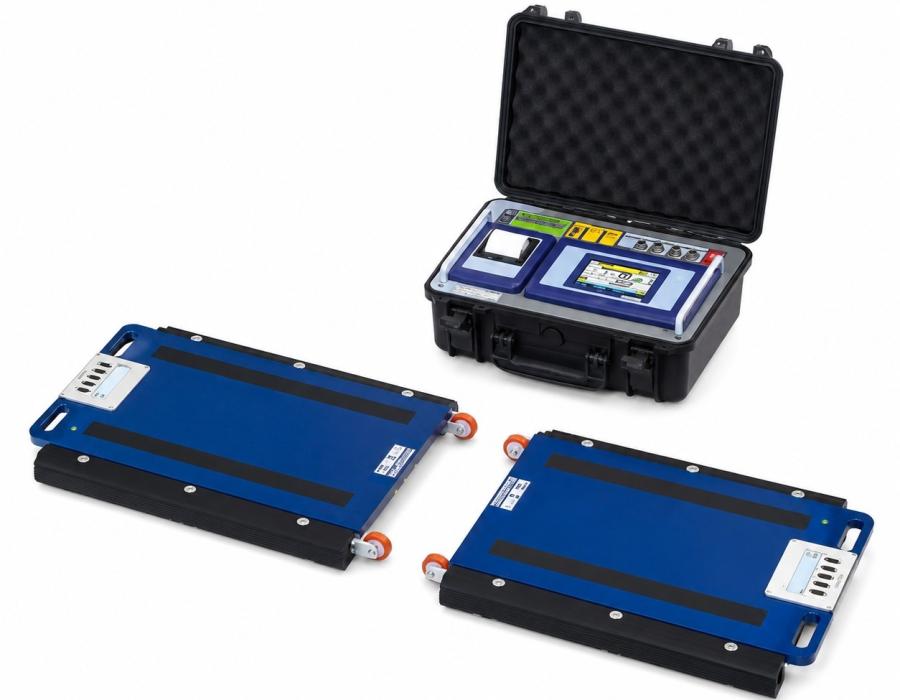
| Axle Weighing | 2 platforms | Individual axle measurement | Axle load |
| 2-Axle Vehicle | 4 platforms | Two-axle trucks | Axle and total vehicle weight |
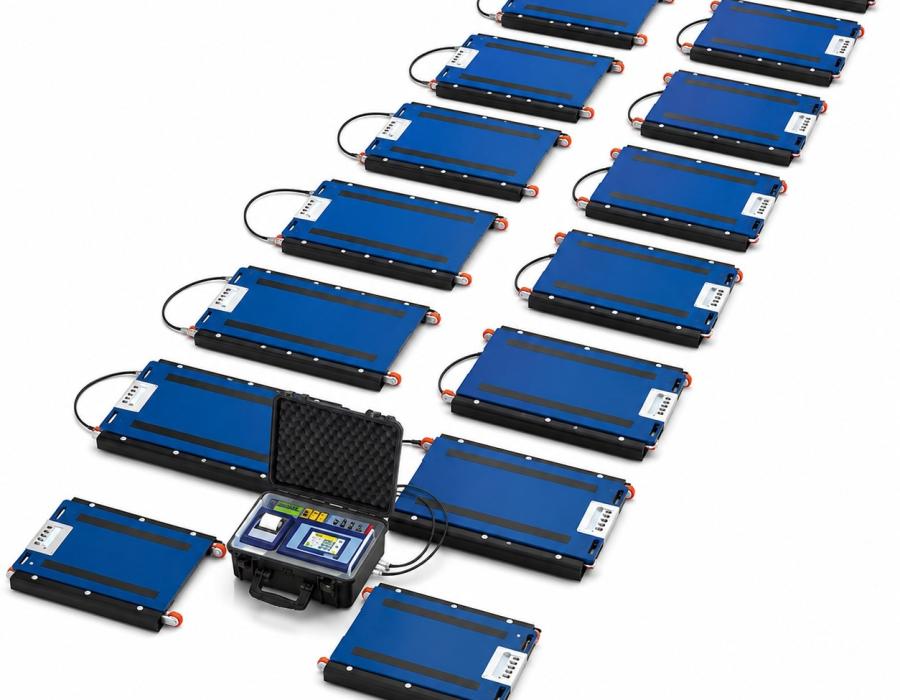
| Multi-Axle Vehicle | Multiple platforms | Trucks and heavy vehicles | Individual axle and total vehicle weight |
| Extended Configuration | Multiple platforms | Multi-axle trucks and trailers | Complete vehicle and axle loads |
Capacity and Platform Specifications
| Pad Type | Typical Capacity | Platform Size | Accuracy Class | Weighing Mode |
|---|---|---|---|---|
| Light-Duty Wheel Pad | 3,000 – 6,000 kg per wheel | 500 × 400 mm | OIML Class III | Static |
| Standard Wheel Pad | Up to 10,000 kg per wheel | 700 × 450 mm | OIML Class III | Static / Low-Speed |
| Heavy-Duty Wheel Pad | 15,000 – 20,000 kg per wheel | 900 × 700 mm | OIML Class III | Static |
| Multi-Pad Axle Weighing System | Project Specific | Multiple Configurations | Application Dependent | Static / In-Motion |
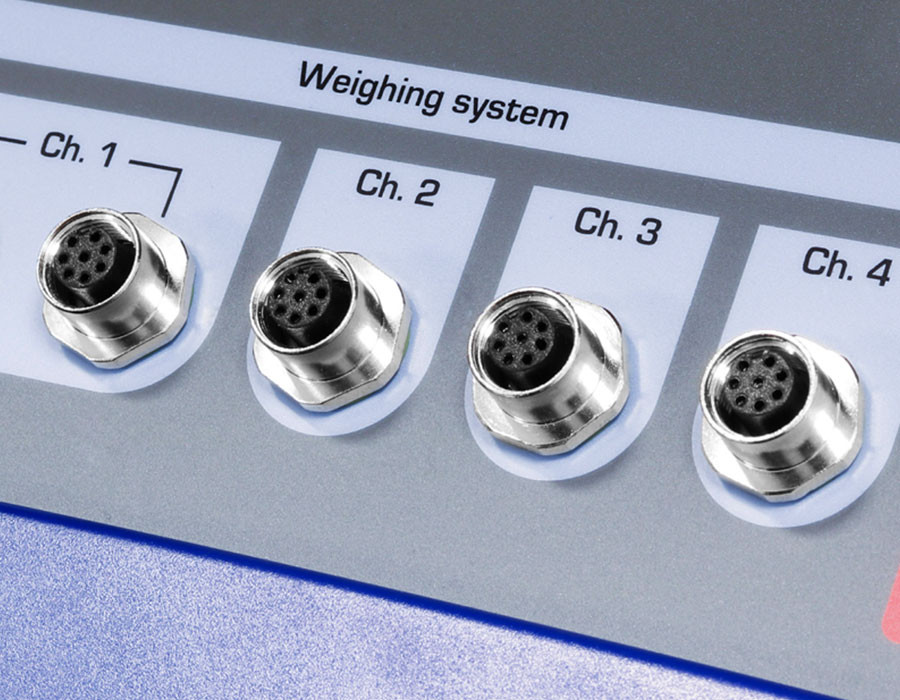
Specifications may vary depending on system configuration, application requirements, and vehicle type. Connectivity (wired/wireless), indicator model, and power source are selected per project — contact Himatrix Arabia to confirm details before finalizing an order.
Weighing Modes: Static vs. In-Motion
Static Weighing
Static weighing is performed by positioning each axle or wheel set on the weighing pads while the vehicle remains stationary. Individual axle weights are measured and combined to calculate the total vehicle weight. This method provides the highest level of weighing accuracy and is commonly used for compliance checks, enforcement activities, and legal-for-trade applications.
In-Motion Weighing
In-motion weighing allows vehicles to pass over the weighing pads at low speed without stopping completely. The system automatically records axle weights and calculates total vehicle weight while maintaining vehicle flow. This approach is often used where higher vehicle throughput is required and minor variations in weighing accuracy are acceptable. Where sites need continuous, highway-speed weighing rather than low-speed platform crossing, high-speed weigh-in-motion (WIM) systems are the more suitable solution.
Choosing the Right Configuration
The right arrangement depends on the vehicle's axle layout and the type of measurement needed:
- Checking a single axle (e.g., a spot overload check) — a 2-platform axle weighing arrangement is generally sufficient.
- Weighing a standard 2-axle truck fully — a 4-platform arrangement covers both axles and gives total vehicle weight.
- Weighing multi-axle trucks or truck-and-trailer combinations — additional platforms are added to cover every axle position.
- Mixed fleets — select the configuration based on the largest vehicle and highest expected wheel load in the fleet, so the same equipment covers every vehicle that will use it.
Site conditions matter too: available space, surface levelness, and how often the equipment needs to be relocated all influence whether a lighter portable arrangement or a heavier-duty, semi-fixed configuration is the better fit. Speak to Himatrix Arabia's team to match a configuration to your specific vehicle mix and site.
Wheel and Axle Weighing vs. Other Vehicle Weighing Solutions
Wheel and axle weighing, portable truck scales, and weigh bridges all measure vehicle weight, but they suit different operating requirements.
| Requirement | Wheel & Axle Weighing | Portable Truck Scales | Weigh Bridges |
|---|---|---|---|
| Installation | Portable, platform-based | Portable, full drive-on platform | Permanent |
| Space requirement | Lowest | Moderate (full-length platform) | Largest |
| Individual axle measurement | Yes — its core function | Not the primary function | Not the primary function |
| Total vehicle weight | Yes, with sufficient platforms | Yes | Yes |
| Best suited for | Axle-level checks, overload spot checks, mixed/flexible fleets | Full-vehicle weighing without permanent works, high-capacity mobile sites | High-volume, permanent, legal-for-trade operations |
| Typical capacity | Up to ~20,000 kg per wheel | Up to 100 tons (modular platform) | Site-specific, highest capacity range |
| Relocation | Easiest — individual platforms | Possible, modular but larger | Not applicable |
In short: choose wheel and axle weighing when the priority is individual axle load data, flexibility, and minimal footprint. Choose portable truck scales when a full-vehicle platform is needed without permanent installation. Choose a weigh bridge for permanent, high-volume, legal-for-trade weighing.
Standards, Certifications and Compliance
Wheel and axle weighing systems can be supplied to support recognized weighing and metrology requirements applicable to vehicle weight verification and compliance activities.
Relevant standards may include:
- OIML R76 for non-automatic weighing instruments
- OIML R134 for vehicle weighing applications
- CE-M / NAWI compliance where applicable
- Regional conformity requirements including GCC and Saudi market requirements
- Calibration and verification procedures aligned with legal metrology practices
For regulated applications, periodic calibration and verification may be required to maintain measurement accuracy and compliance with local authority requirements.
Himatrix Arabia's metrology and calibration services support ongoing accuracy using SASO-certified standard weights.
Applications
Wheel and axle weighing is used across industries where vehicle loading needs to be measured, monitored, or verified before dispatch:
- Fleet and transportation — checking vehicle and axle loads before vehicles leave a facility, identifying excessive or uneven loading
- Logistics and distribution — verifying loads at loading and dispatch points
- Construction — weighing trucks carrying aggregates and materials on sites without permanent weighing infrastructure
- Mining and quarrying — monitoring axle loads and vehicle weight as part of site weighing procedures
- Waste management — monitoring collection and transfer vehicle loads
In Saudi Arabia, portable configurations are particularly useful for operations spread across multiple sites, remote locations, or projects where installing a permanent weighing structure isn't practical — common across construction and mining operations in particular. Equipment intended for continuous outdoor use in the Kingdom's heat and dust should be specified accordingly; ask Himatrix Arabia's team about protection ratings suited to your site conditions.
Support, Installation and Calibration
Himatrix Arabia supports wheel and axle weighing systems beyond initial supply, including on-site installation guidance, metrology and calibration using traceable, SASO-certified reference weights, and ongoing maintenance and support contracts. Where a project requires data logging, reporting, or ERP integration, this can be supported through Himatrix Arabia's weighing software solutions.
