
Junction Boxes
Reliable Signal Summing for Multi-Load Cell Systems
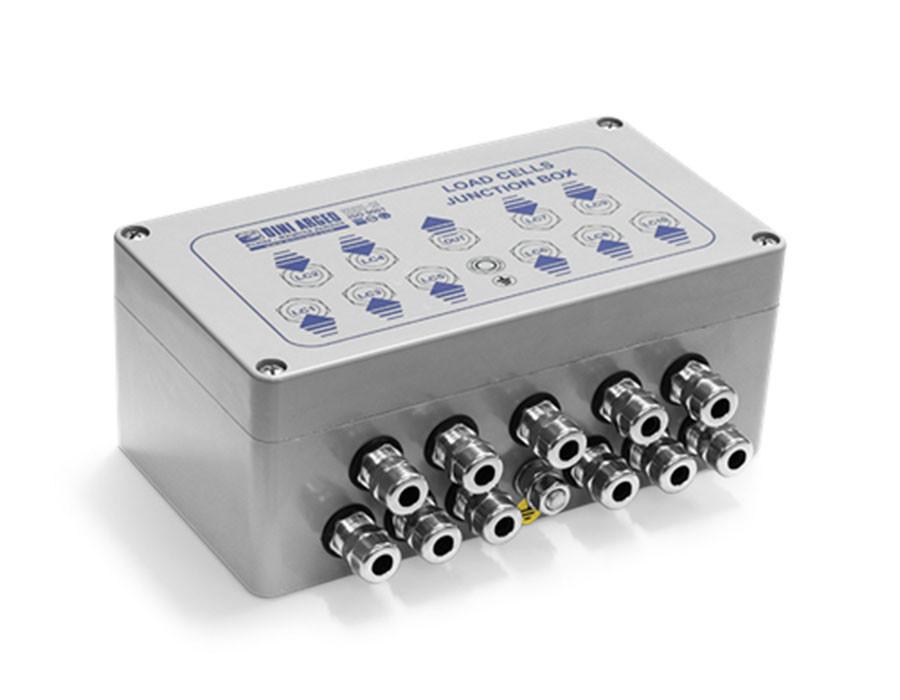
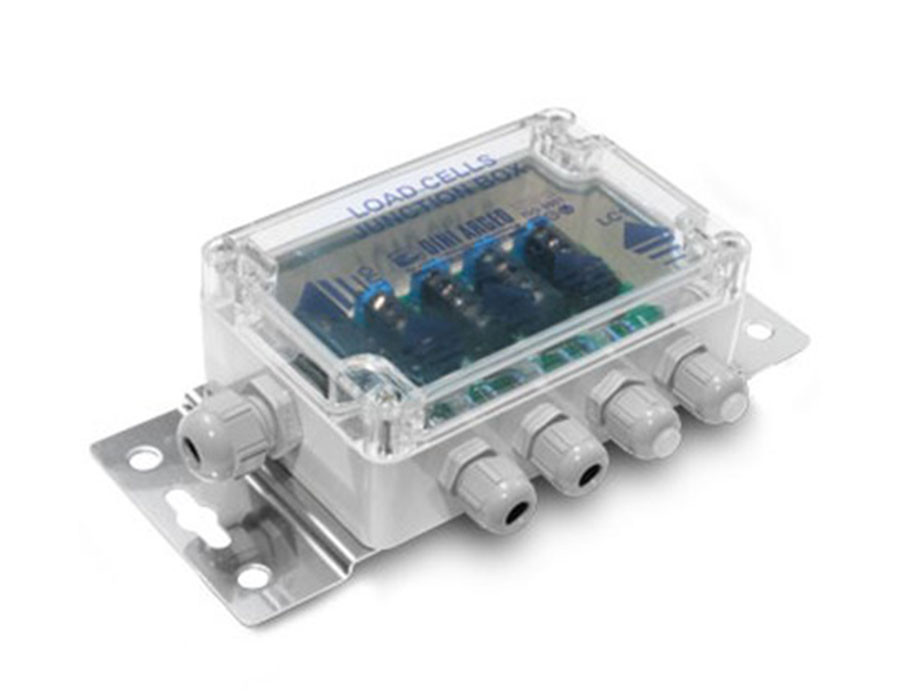
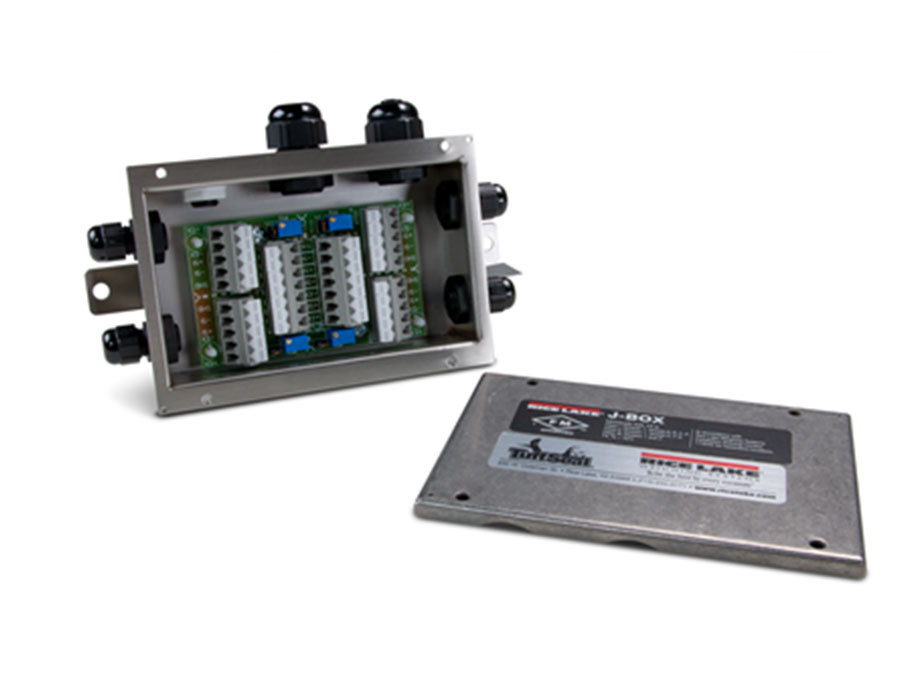
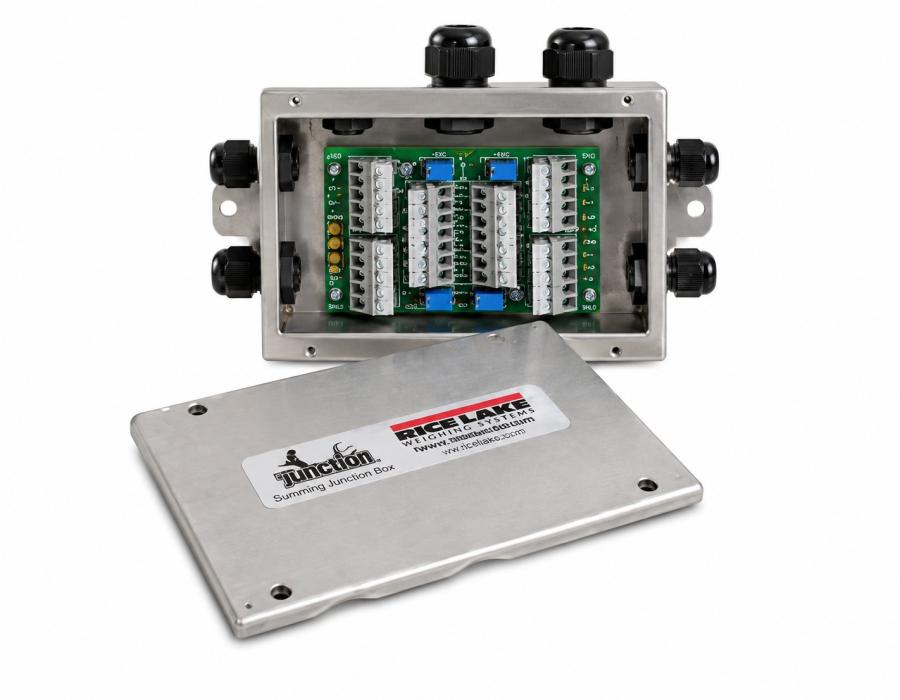
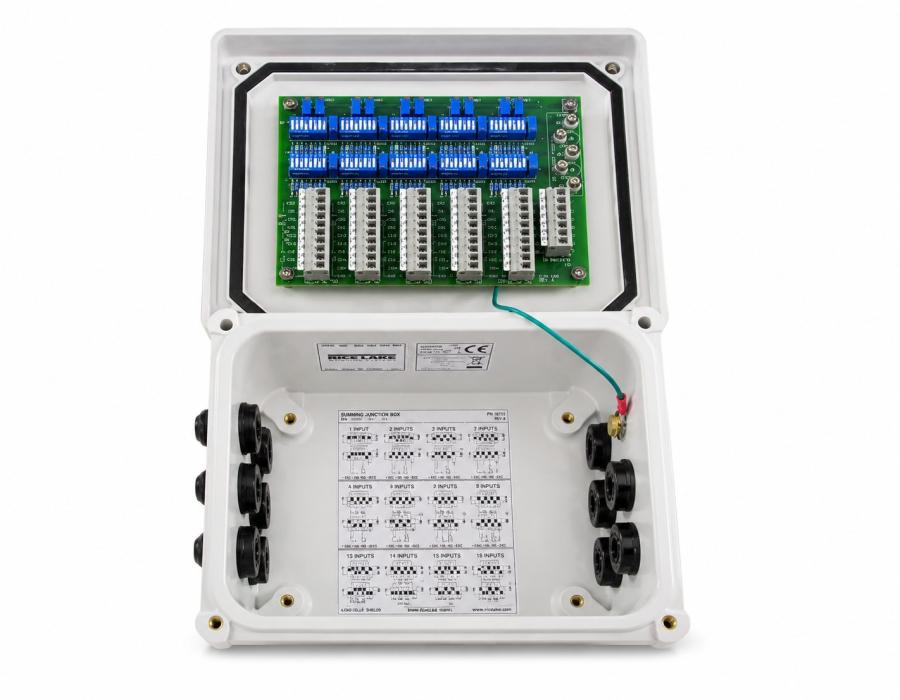
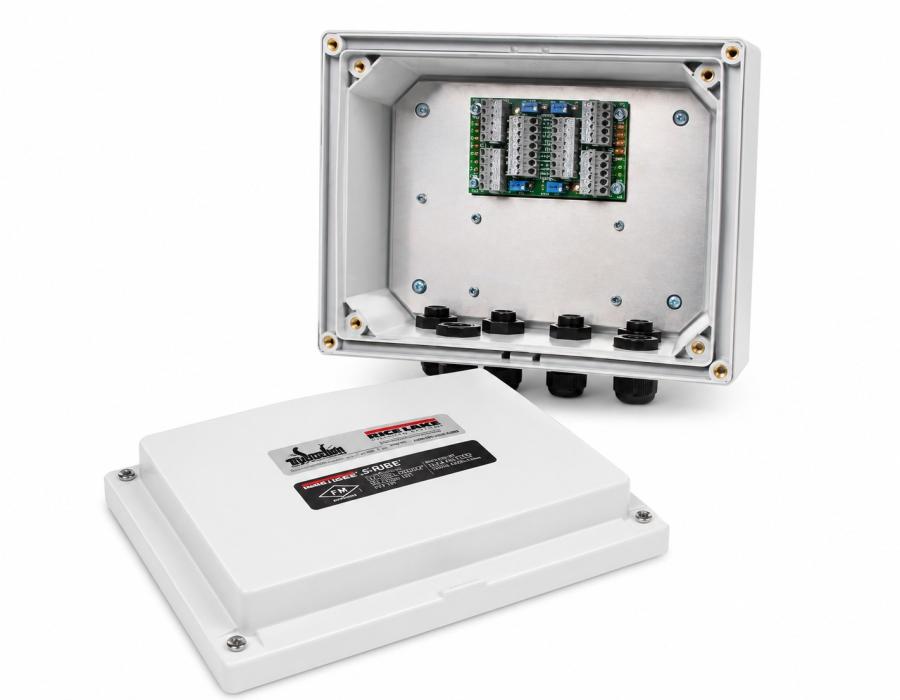
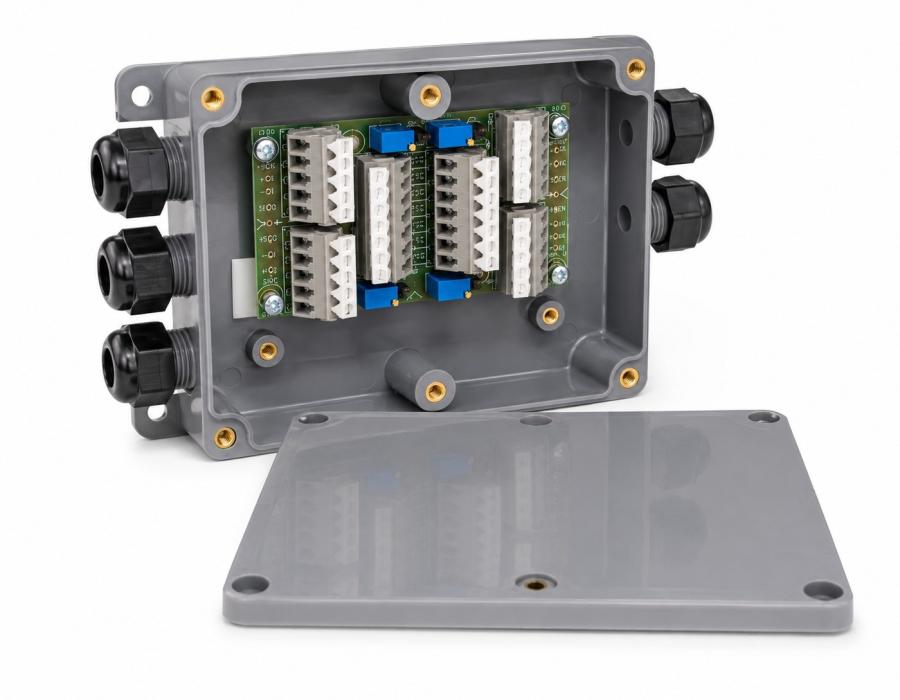
Junction boxes are used to combine signals from multiple load cells and transmit a stable output to the weighing indicator, controller, or terminal. They play an important role in multi-load-cell weighing systems by helping maintain accurate signal balance and reliable system performance.
Suitable for platform scales, weighbridges, tanks, hoppers, and other industrial weighing systems, junction boxes also help simplify wiring, troubleshooting, and maintenance across demanding applications.
Junction Box Options and Typical Uses
| Junction Box Type | Typical Use |
|---|---|
| 2–4 Load Cell Junction Box | Platform scales, floor scales, and small tank systems |
| 4–6 Load Cell Junction Box | Industrial platforms, hopper scales, and process weighing systems |
| Up to 8 or 10 Load Cell Junction Box | Weighbridges, large platforms, and multi-cell systems |
| Stainless Steel Junction Box | Outdoor, washdown, and corrosive environments |
| Equalisation / Trimming Junction Box | Systems requiring load cell signal adjustment |
| Surge-Protected Junction Box | Weighbridges and outdoor installations exposed to electrical disturbances |
Key Features That Support Stable Weighing Performance
- Signal summing for multiple load cells
- Individual load cell trimming or equalisation on selected models
- Stainless steel or industrial enclosure options
- IP-rated protection for dust and moisture
- Screw terminals for easier wiring
- Cable glands for secure cable entry
- Surge protection on selected models
- Compatible with analogue load cell systems
- Supports easier troubleshooting and maintenance
Installation and Selection Considerations
Selecting the correct junction box depends on the weighing system design, installation environment, and required signal management features.
- Number of load cells in the system
- Indoor, outdoor, or washdown environment
- Required IP protection level
- Need for signal trimming or equalisation
- Cable routing and gland requirements
- Compatibility with indicator or controller
- Surge protection requirements for outdoor sites
- Maintenance access and enclosure location
Choosing the appropriate junction box helps improve signal stability, simplify installation, and support dependable weighing performance across multi-load-cell systems.
