
Cables
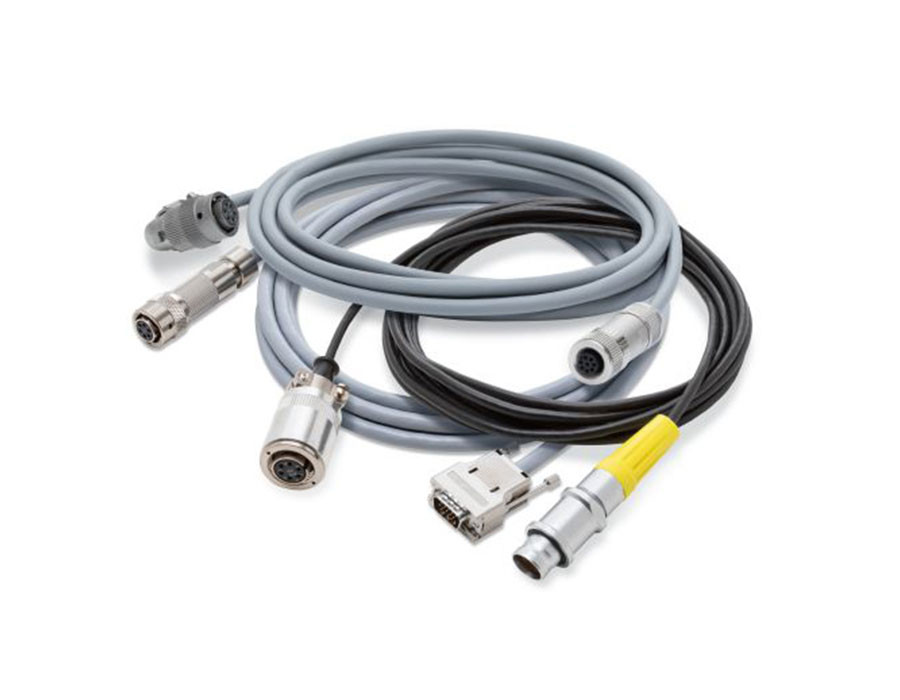
Reliable Cable Solutions for Industrial Weighing Systems
Cables play a critical role in maintaining accurate signal transmission between load cells, junction boxes, indicators, controllers, and weighing software. Selecting the appropriate cable helps minimise signal interference, maintain weighing accuracy, and support reliable communication throughout the weighing system.
Designed for industrial environments, weighing system cables are available in various configurations to suit standard installations, long cable runs, and demanding operating conditions where durability and stable performance are essential.
Choosing the Right Cable for Your Weighing System
Different weighing systems require different cable types depending on the installation, communication requirements, and operating environment.
| Cable Type | Typical Applications |
|---|---|
| 4-Wire Load Cell Cable | Standard connections between load cells, indicators, and junction boxes |
| 6-Wire Load Cell Cable | Long cable runs requiring remote sensing for improved accuracy |
| Communication Cable | Data communication between indicators, controllers, PLCs, and software |
| Heavy-Duty Industrial Cable | Outdoor installations and demanding industrial environments |
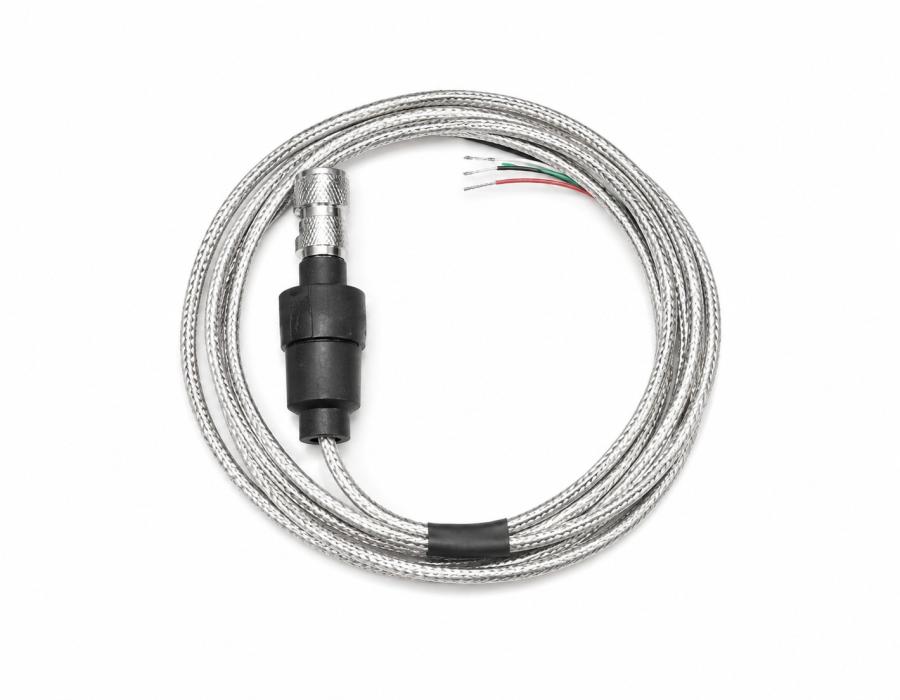
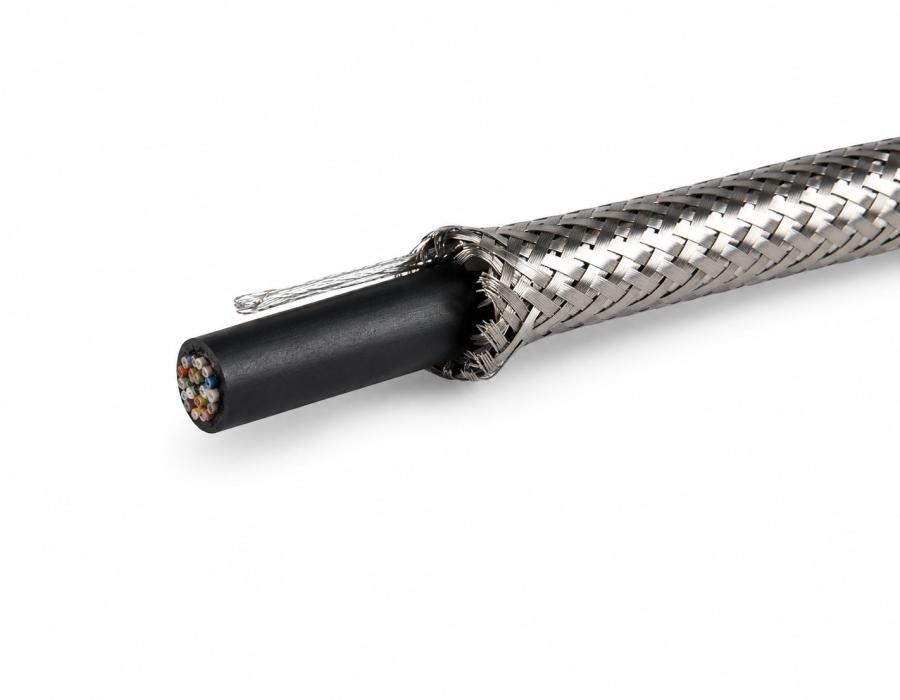
| Shielded Cable | Areas with electrical noise requiring stable signal transmission |
Built for Reliable Signal Performance
Industrial weighing cables are designed to maintain signal integrity while operating reliably in challenging environments.
Cable Construction
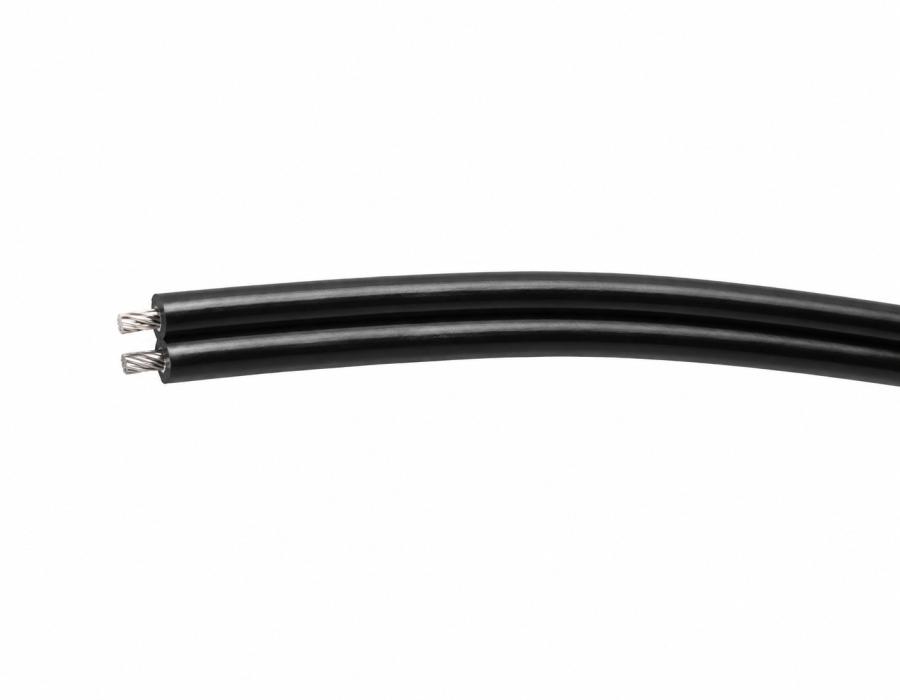
- High-quality copper conductors
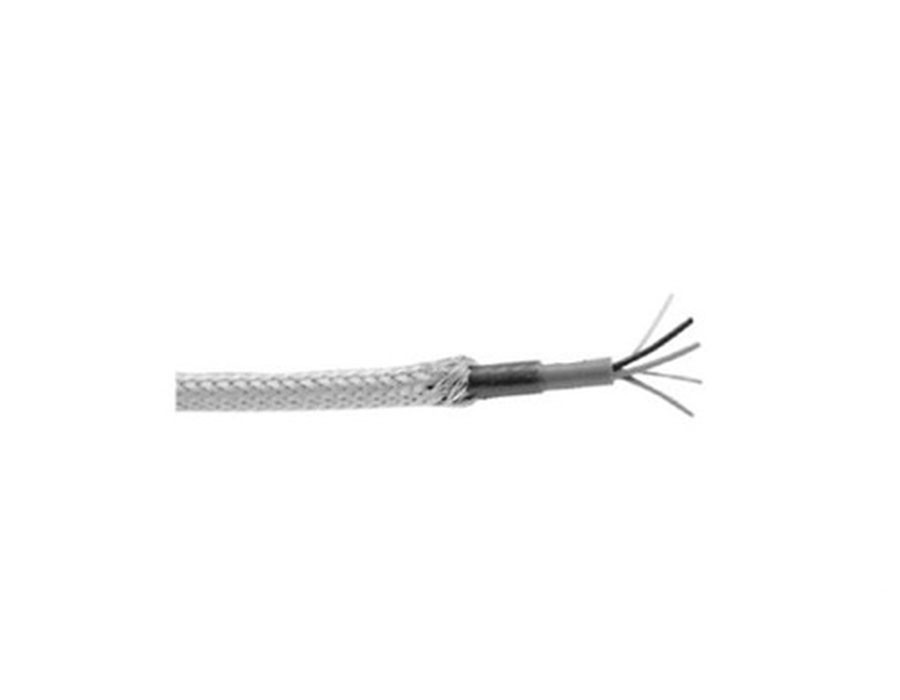
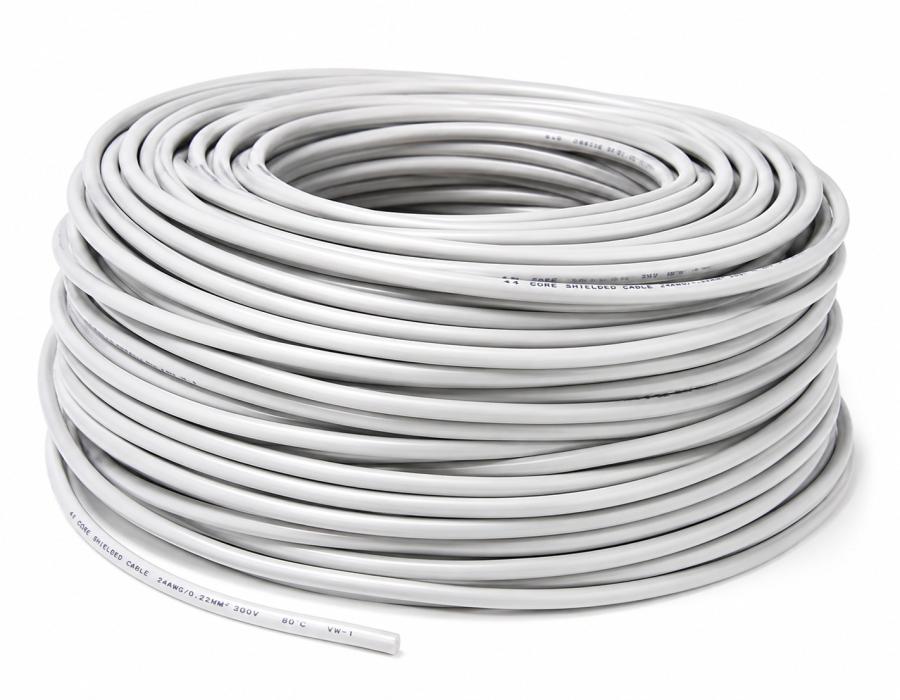
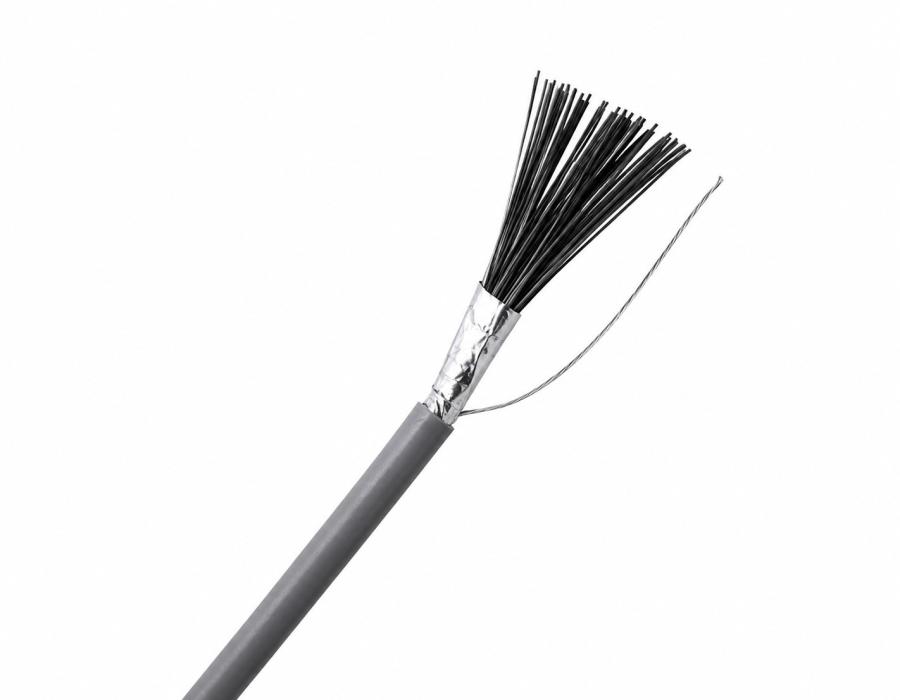
- Shielded cable design to minimise electrical interference
- Colour-coded conductors for simplified installation
- Durable outer jacket for industrial use
- Flexible construction for easier routing
Reliable System Performance
- Stable signal transmission between weighing components
- Supports accurate load cell communication
- Suitable for short and long cable installations
- Helps maintain weighing accuracy across the system
- Compatible with analogue weighing systems
Industrial Durability
- Suitable for indoor and outdoor installations
- Resistant to demanding industrial environments
- Available for fixed and mobile weighing applications
- Designed for long service life with minimal maintenance
Installation and Compatibility Considerations
Selecting the correct cable helps ensure reliable communication and consistent weighing performance throughout the entire system.
When selecting a weighing system cable, consider the following:
- Load cell and indicator compatibility
- 4-wire or 6-wire system configuration
- Required cable length
- Indoor or outdoor installation environment
- Protection against moisture, dust, and mechanical damage
- Communication requirements between weighing equipment
- Installation method and cable routing
Choosing the appropriate cable helps maintain signal quality, improve weighing accuracy, and support dependable long-term operation of the entire weighing system.
