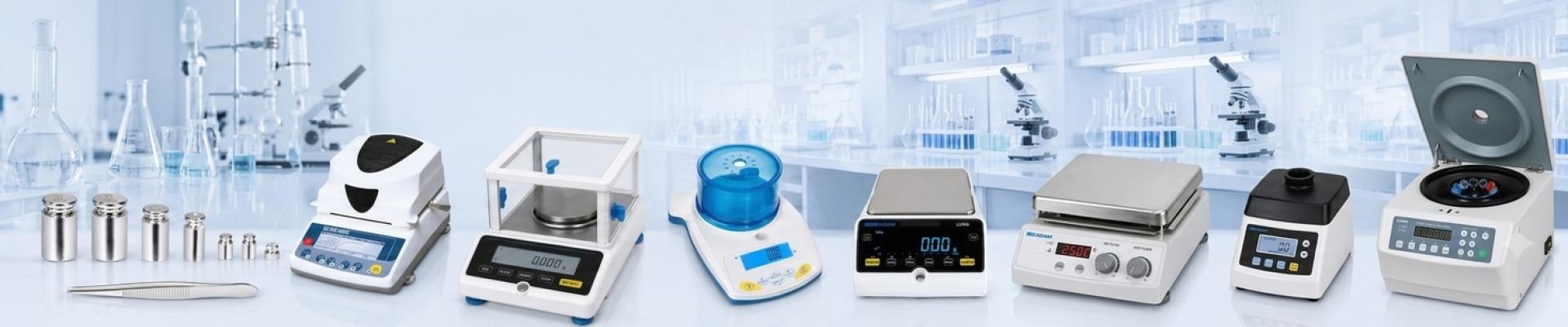
LABORATORY PRECISION SCALES
Frequently Asked Questions
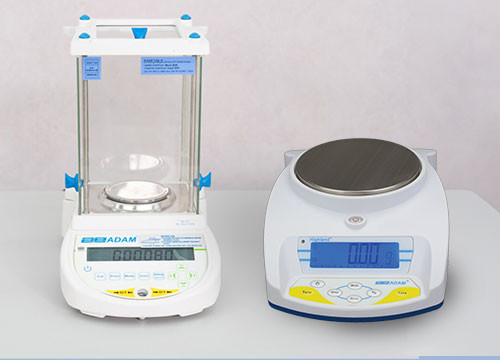
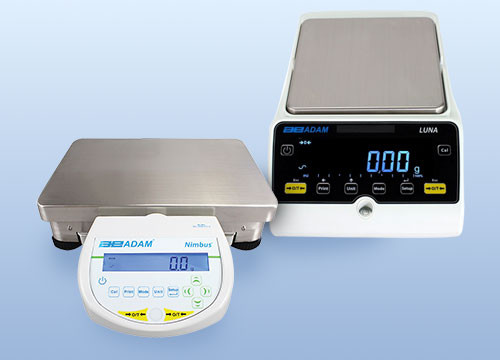
Both must match the application. A balance with 0.1mg readability but a 120g capacity is unsuitable for weighing a 500g sample. Always define the heaviest sample and the smallest increment you need to measure before specifying capacity and readability.
Repeatability determines whether the same sample weighed multiple times returns consistent results. Poor repeatability introduces measurement uncertainty that can invalidate quality control decisions, formulation accuracy, and regulatory submissions. It is one of the most important specifications to verify before purchase.
Drafts, temperature fluctuations, humidity changes, vibration, and electromagnetic interference are the primary factors. Analytical balances require draft shields and stable, vibration-free benches. Climate-controlled rooms with stable conditions significantly improve measurement consistency.
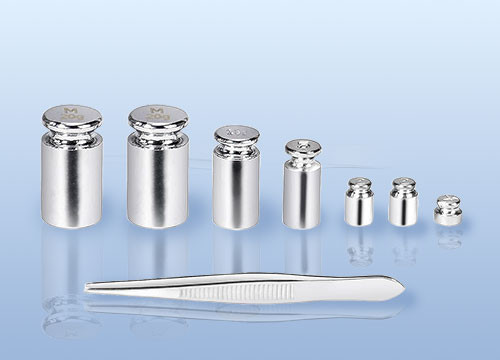
Most quality systems require internal verification checks daily or before use, with formal calibration by a qualified metrologist at least annually or after any relocation or repair. Himatrix Arabia provides traceable calibration services for laboratory balances to support ISO, GMP, and QMS compliance.
Yes, provided the balance meets the required accuracy class and is supported by documented calibration, qualification records (IQ/OQ/PQ), and routine verification. Himatrix Arabia can assist with selecting balances suitable for regulated laboratory environments and provide the supporting calibration documentation.
