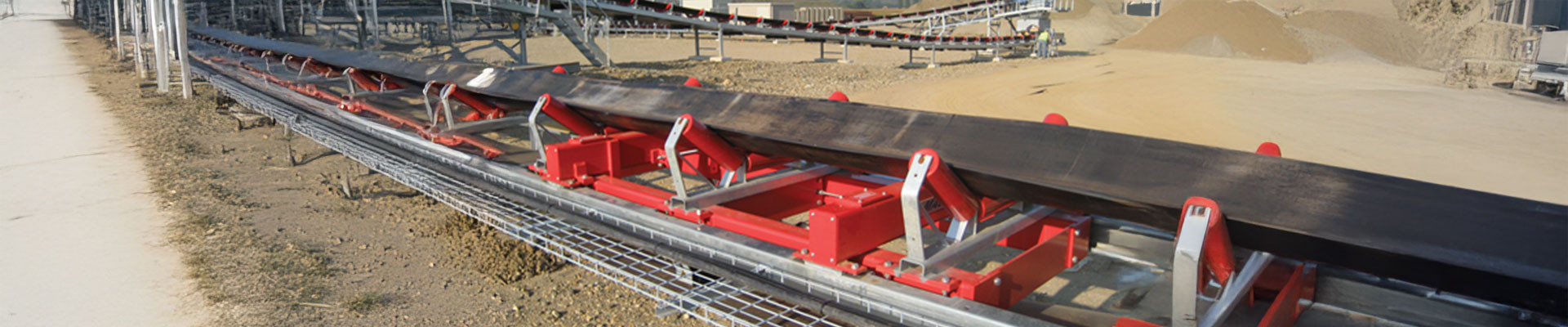
Belt or Conveyor Weighing
Continuous Material Measurement Without Interrupting Production
Belt and conveyor weighing systems are designed to measure the quantity of bulk material moving along a conveyor in real time without interrupting production. By continuously monitoring material flow, these systems help operators improve inventory accuracy, monitor production rates, and maintain better process control throughout the operation.
Suitable for both new conveyor installations and retrofit projects, conveyor weighing solutions provide reliable weight data for production monitoring, batching, stock management, and material handling across a wide range of industrial environments.
How the Measurement Process Works
A belt weighing system continuously calculates material throughput by combining load measurement and conveyor speed into a single real-time weighing process.
Step 1 – Material Passes Over the Weigh Frame
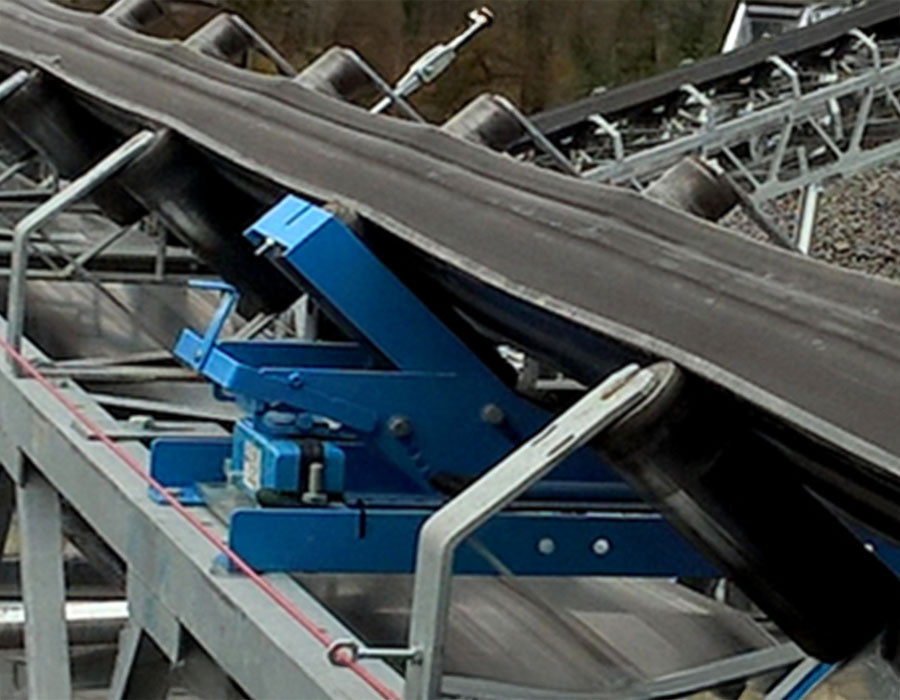
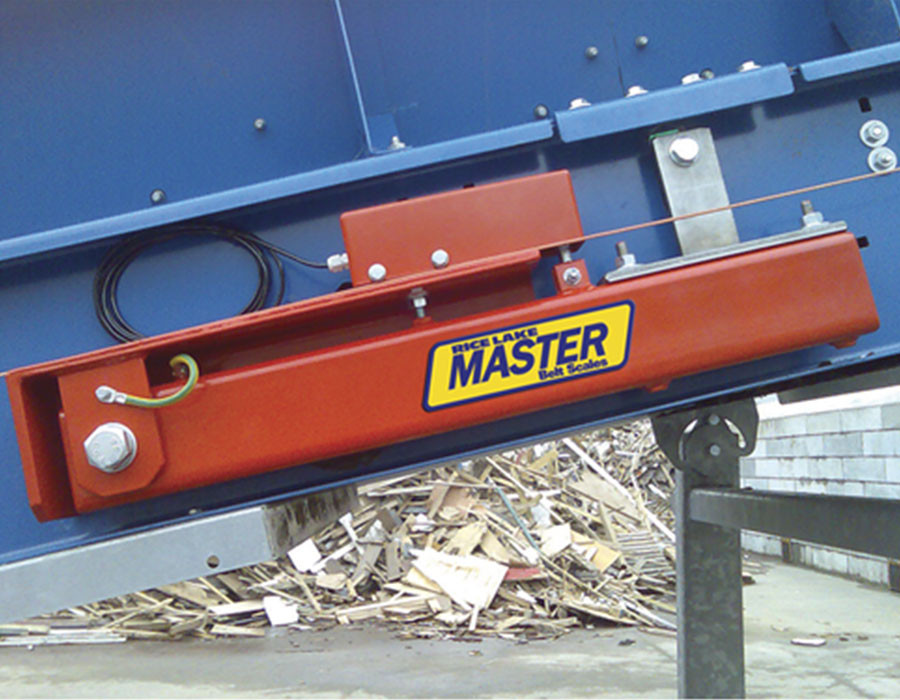
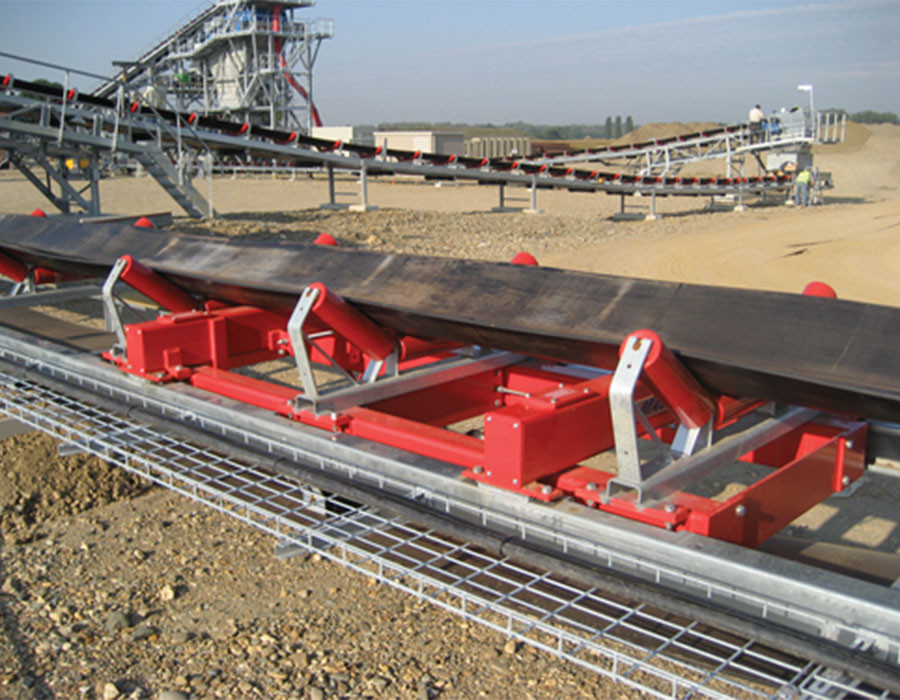
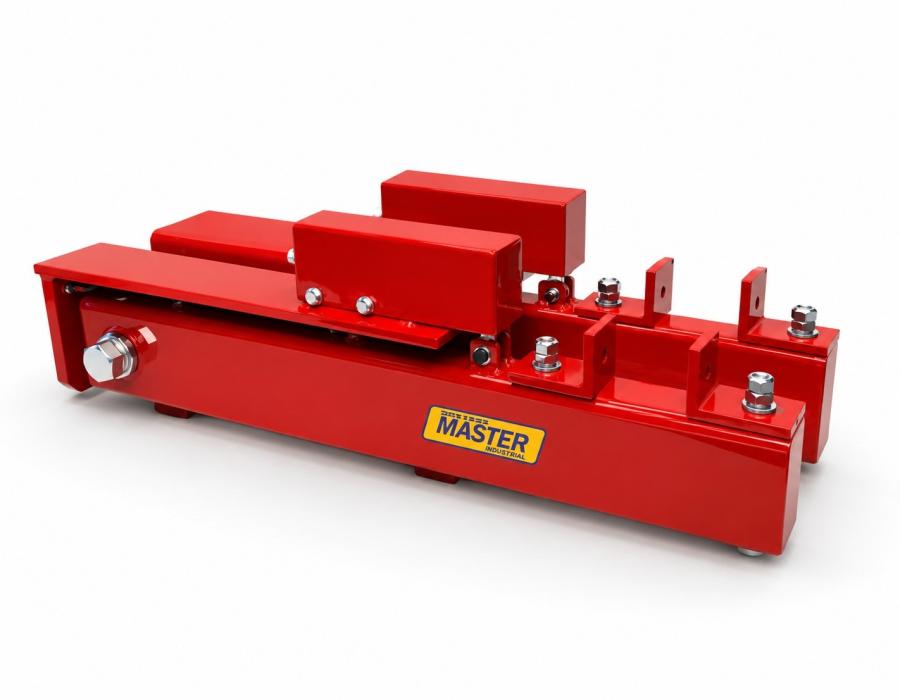
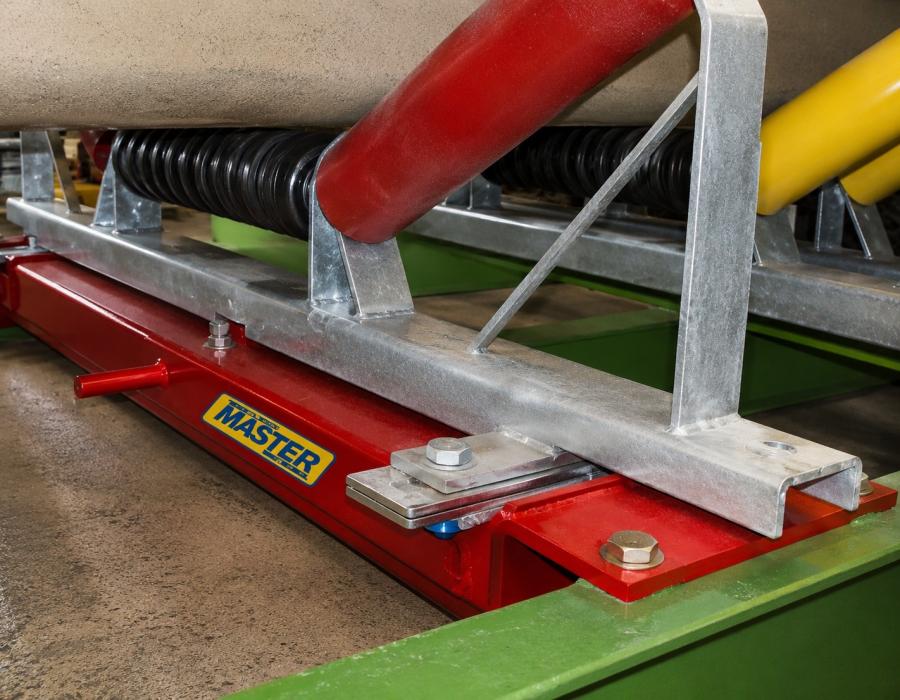
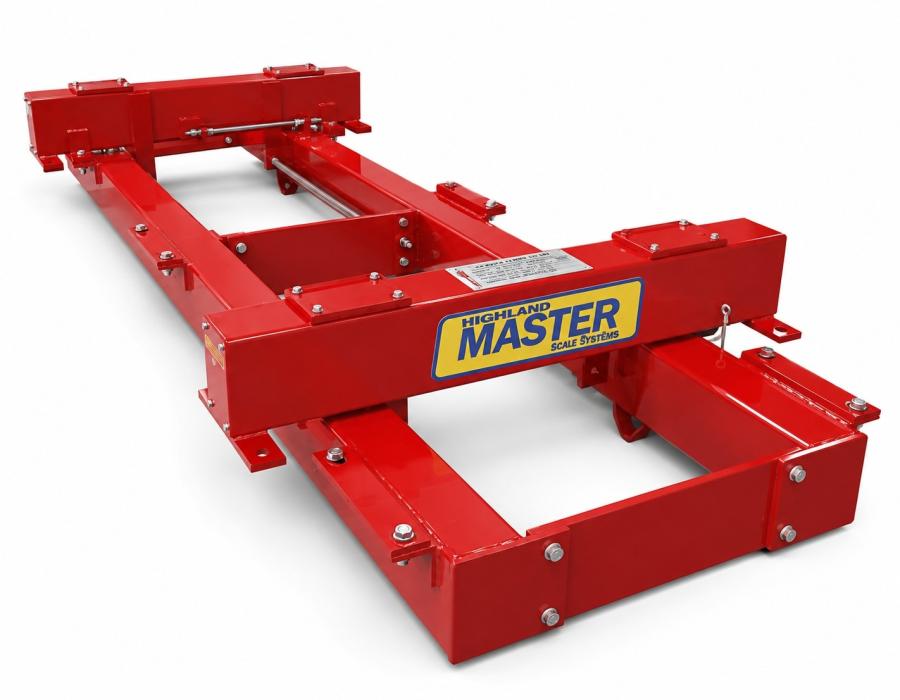
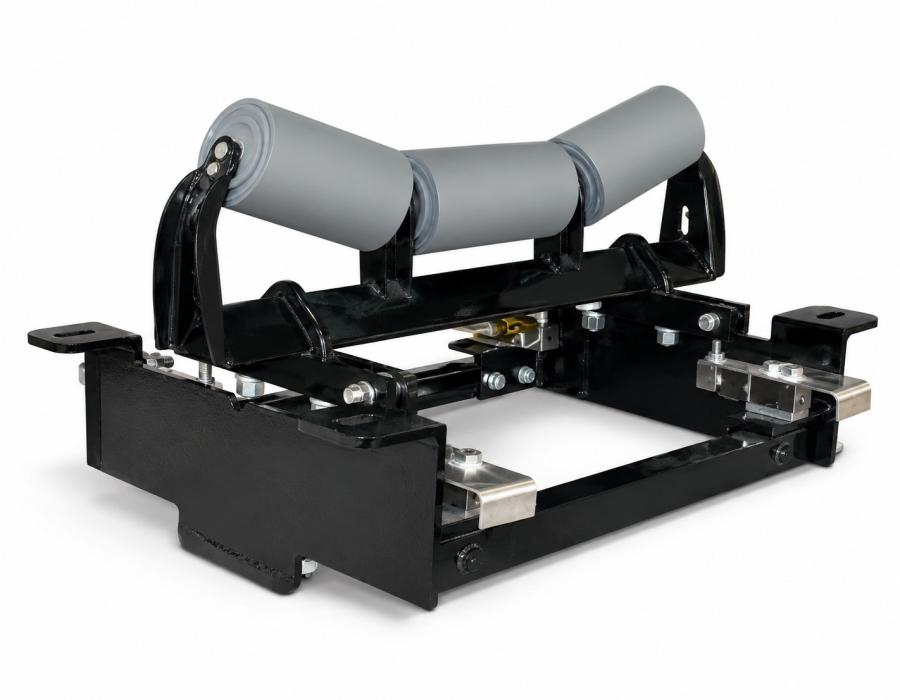
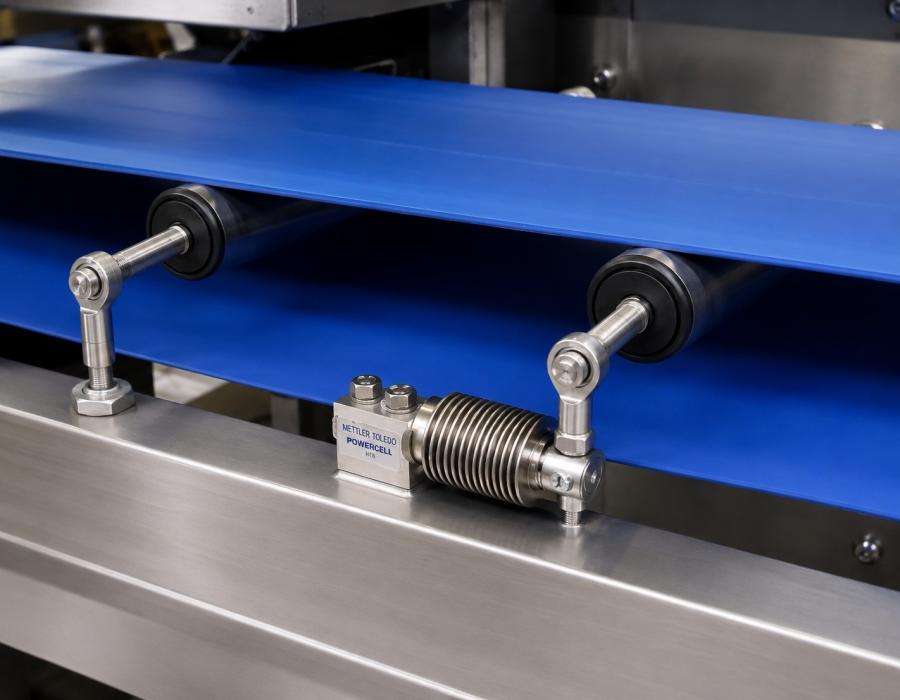
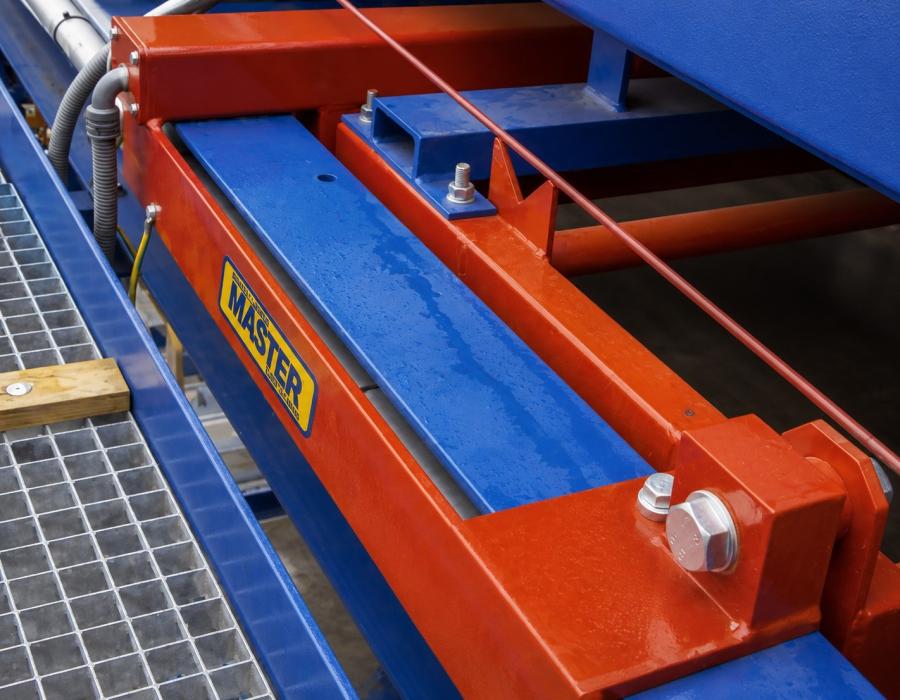
As bulk material moves along the conveyor, the weigh frame and load cells measure the load being carried on the belt.
Step 2 – Conveyor Speed Is Measured
A speed sensor continuously monitors belt movement, recording the travel speed required for accurate weight calculations.
Step 3 – Weight Data Is Calculated
The weight integrator combines information from the weigh frame and speed sensor to calculate flow rate, total material throughput, and production data for monitoring and reporting.
Choosing the Right System Configuration
Every conveyor system has different operating conditions. Selecting the correct belt weighing system depends on conveyor size, material characteristics, operating capacity, and process requirements.
| Component | Primary Function |
|---|---|
| Weigh Frame | Measures the load carried on the conveyor belt |
| Load Cells | Convert mechanical load into precise weight signals |
| Speed Sensor | Monitors conveyor belt speed |
| Weight Integrator | Calculates flow rate and totalised material weight |
The final system configuration is selected according to conveyor dimensions, material flow, environmental conditions, and the level of weighing accuracy required for the application.
Designed for Continuous Bulk Material Operations
Belt weighing systems are widely used wherever bulk materials need to be monitored accurately without stopping production.
Cement Plants
Monitor clinker, raw meal, and finished cement movement throughout the production process.
Mining and Quarrying
Track ore, aggregates, and mineral production while improving inventory visibility and production control.
Grain and Feed Processing
Measure grain transfer, ingredient handling, and storage operations for improved process efficiency.
Ports and Bulk Terminals
Monitor material movement during loading, unloading, and bulk transfer operations.
Recycling and Waste Processing
Track recyclable materials and bulk waste streams to support inventory management and operational reporting.
Connecting Weight Data with Plant Operations
Modern conveyor weighing systems can integrate with existing plant automation platforms, allowing production data to be shared across operational and business systems.
Integration Options
- PLC and SCADA systems
- ERP and production management software
- Ethernet, RS232, RS485, and Modbus communication
- Remote monitoring and diagnostics
- Production reporting and data logging
By integrating conveyor weight data into existing automation systems, operators gain better visibility into material flow, production performance, and inventory movement, supporting faster operational decisions and improved process efficiency.
